

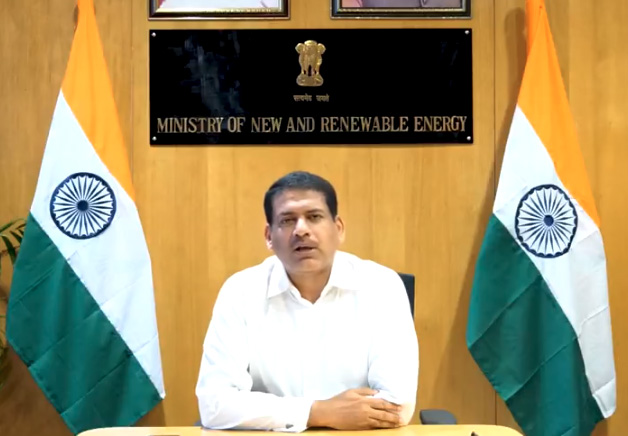
New Delhi: Shri Santosh Kumar Sarangi, as the Secretary of the Ministry of New and Renewable Energy (MNRE), is currently a central figure in India’s aggressive pursuit of climate goals. His leadership at the recent roundtable underscores a strategic shift from mere policy-making to active “industry-finance” matchmaking. This collaboration is designed to bridge the gap between ambitious renewable targets and the massive capital required to reach them.
A major pillar of Shri Sarangi’s current portfolio is the PM Surya Ghar: Muft Bijli Yojana. This flagship scheme aims to revolutionize residential energy consumption by providing free electricity to households through rooftop solar installations. By spearheading this initiative, Sarangi is focusing on decentralizing energy production, moving it from massive solar parks directly to the rooftops of Indian citizens. This not only reduces the strain on the national grid but also empowers individual consumers as “prosumers.”
Beyond rooftop solar, the broader landscape of Green Energy in India is moving toward a target of 500 GW of non-fossil fuel capacity by 2030. Achieving this requires navigating complex financial hurdles, which is why Shri Sarangi is emphasizing innovative instruments like green bonds and blended finance. These tools are intended to de-risk investments for the private sector and ensure that capital flows into emerging technologies like Green Hydrogen and offshore wind, alongside traditional solar and wind projects.
The focus under Shri Sarangi’s tenure has increasingly moved toward creating a “plug-and-play” environment for investors. By streamlining regulatory processes and enhancing the bankability of renewable projects, the MNRE aims to make India a global hub for clean energy investment. The collaboration with forums like the US–India Strategic Partnership Forum highlights the international dimension of this mission, seeking to align Indian energy projects with global ESG standards to attract foreign institutional investors.