

Vishakhapatnam: India is aggressively positioning itself to dominate the global seafood market following a high-level National Workshop on Seafood Exports held in Visakhapatnam. The two-day event brought together policymakers, industry leaders, and exporters with a clear and ambitious target: driving the country’s seafood exports past the landmark milestone of 1 lakh crore rupees.
The first day of the workshop was graced by Shri Nara Chandrababu Naidu, Chief Minister, Andhra Pradesh; Shri Piyush Goyal, Minister of Commerce & Industry; Shri Rajiv Ranjan Singh, Minister of Fisheries, Animal Husbandry & Dairying and Panchayati Raj; Shri Kinjarapu Rammohan Naidu, Minister of Civil Aviation; and Shri Chirag Paswan, Minister of Food Processing Industries.
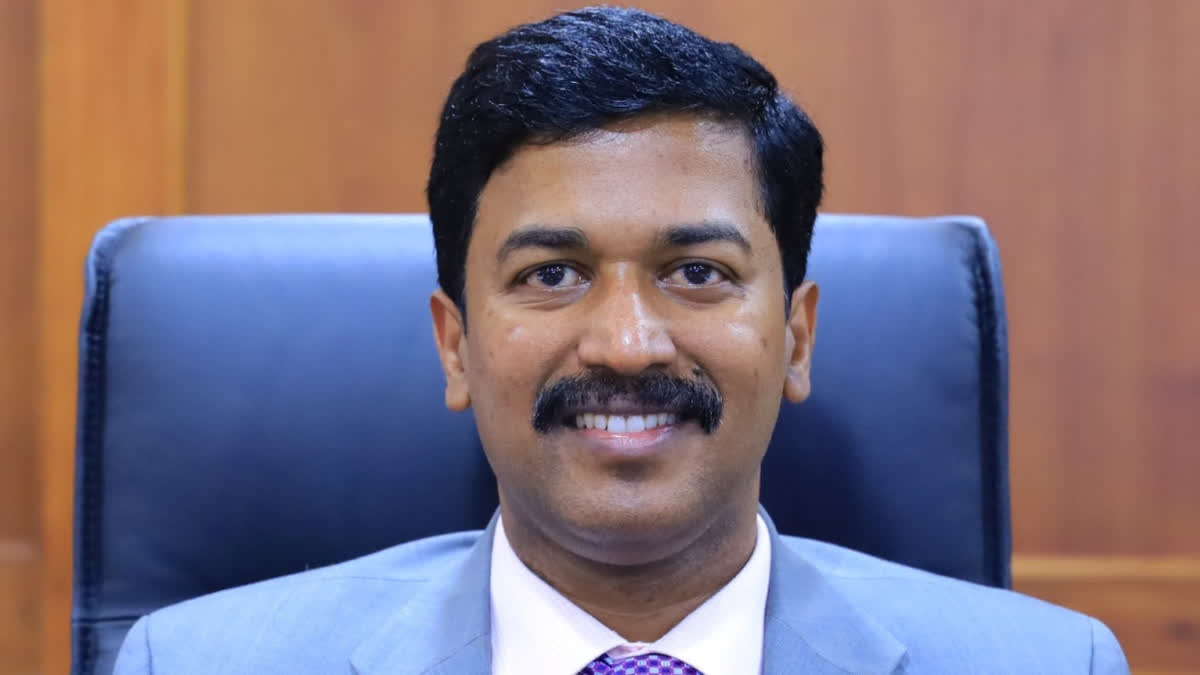
The event gained significant momentum with the presence of Shri D V Swamy, Principal Secretary to the Government of Odisha and Former Chairman of the Marine Products Export Development Authority.
The first technical session, titled “Advancing Seafood Exports: Leveraging Value Addition, Certification and Traceability,” was chaired by Shri D. V. Swamy, Principal Secretary, Government of Odisha, with Shri P. Jawahar, Chairman, MPEDA, and Joint Secretary, Ministry of Food Processing Industries, serving as co-chairs.
The session focused on strengthening India’s export competitiveness through three key thematic discussions: (i) Traceability Systems to Support Catch Certification for Export Markets, (ii) Sustainable Certification in Aquaculture and Capture Fisheries, and (iii) Exploring a Production Linked Incentive (PLI) Framework for the Seafood Sector.
Drawing on his extensive experience heading national export promotion and managing coastal aquaculture frameworks, Shri Swamy emphasized the importance of a coordinated, state-level approach to support the national fisheries vision. His insights underscored the value of local infrastructure readiness and direct support for farming communities to ensure the domestic supply chain can reliably meet expanding global demands.
To achieve the 1 lakh crore target, the government and stakeholders are planning a major structural shift in how Indian seafood is produced and commercialized. Instead of focusing solely on the sheer volume of low-value bulk shipments, the new strategy prioritizes high-quality, value-added products. This includes investing heavily in innovative processing technologies and expanding into emerging consumer trends like ready-to-eat seafood meals, which command much higher margins in highly competitive international markets.
Enhancing India’s reputation as a trusted, world-class seafood provider requires addressing stringent global standards. The workshop highlighted the critical need for advanced traceability systems and robust sustainable certification frameworks. These systems will track seafood from its origin—whether caught at sea or raised in an aquaculture farm—to the final consumer, ensuring full compliance with international catch certification and safety norms.
To support this massive production push, a complete overhaul of the domestic supply chain is underway. Top challenges being addressed include optimizing disease management in aquaculture, managing rising input costs, and filling critical infrastructure gaps. The government is focusing on building out advanced cold chains, expanding air cargo capacity, and setting up dedicated quarantine facilities to prevent transit delays and maintain maximum freshness.
Beyond traditional coastal aquaculture, the roadmap features aggressive diversification. This includes tapping into lucrative deep-sea resources like tuna, expanding seaweed cultivation, and scaling up inland fisheries through cage culture and reservoir-based aquaculture. Industry leaders are also exploring the implementation of a Production Linked Incentive scheme specifically tailored for the seafood sector, which would draw fresh private investment and empower small and medium enterprises. By combining sustainability with advanced logistics, India aims to build a highly resilient, modern seafood ecosystem capable of feeding global demand