

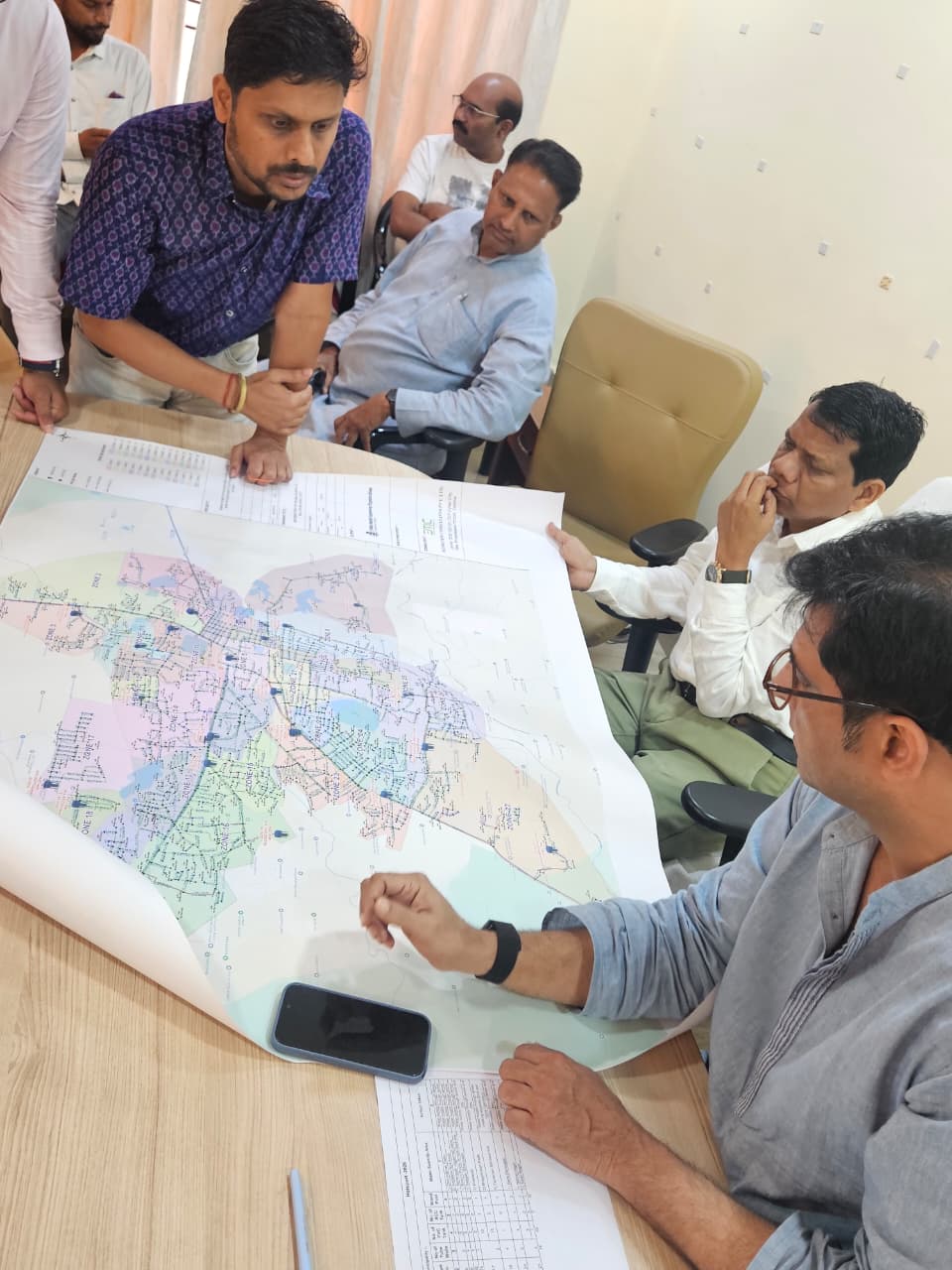
Bolangir: The recent sharp escalation in benchmark valuation of land in Bolangir has sparked significant concern among local stakeholders, prompting Bolangir MLA Shri Kalikesh Narayana Singh Deo to call for a comprehensive review of the state’s current policy framework.
While Shri Singh Deo conducted detailed review with district officials confirmed that the prescribed Standard Operating Procedure was followed during the valuation process, the resulting figures have raised serious questions regarding their alignment with actual ground realities.
The data indicates a dramatic rise in land values within certain areas, with prices jumping from approximately 1.38 crore per acre to 2.34 crore, and most recently reaching nearly 5.31 crore per acre. This steep trajectory has occurred despite a lack of corresponding growth in market activity or the purchasing capacity of local residents. A primary point of contention involves the valuation of urban land, which is currently treated similarly to homestead land regardless of its actual classification, size, or specific location.
Senior Lawmaker, Shri Singh Deo pointed out a significant practical inconsistency in this approach, noting that while stamp duty is being levied based on homestead values, citizens are still required to pay additional fees to officially convert their land into homestead status. He suggested that the policy must either uniformly recognize all urban land as homestead or maintain clear differentiation based on actual land use to prevent this double financial burden on the public.
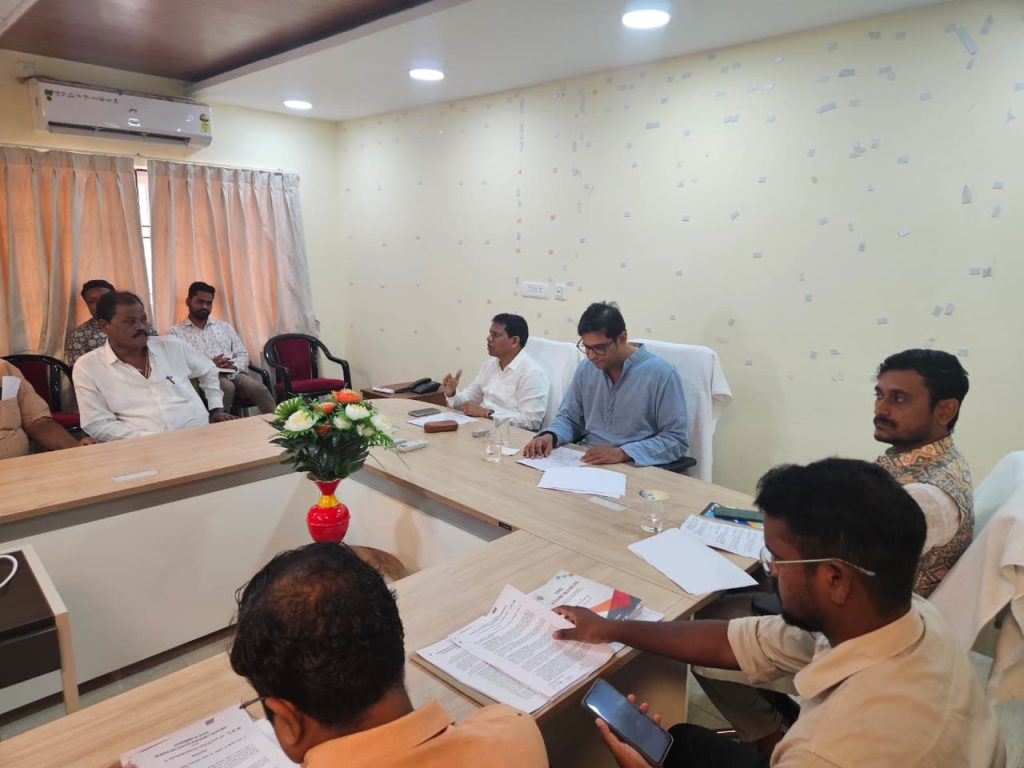
The review also identified several methodological issues contributing to these high valuations. These include a heavy reliance on a few high-value transactions that do not represent the broader market, a lack of adjustments for larger plot sizes, and insufficient consideration for infrastructure, accessibility, and proximity to main roads. Such factors have pushed benchmark values beyond prevailing market prices, creating friction for both buyers and sellers.
From a transactional standpoint, the inflated benchmarks have led to higher stamp duty costs and potential income tax complications for those attempting to trade at actual market rates. Shri Singh Deo observed that while the goal of ensuring transparency is valid, the policy must remain practical to avoid hindering genuine economic activity. He emphasized that the problem lies in policy calibration rather than administrative implementation.
Proposed solutions to address these gaps include the formal declaration of all urban land as homestead to match its valuation or a return to differentiation based on land classification. Stakeholders also suggested incorporating more nuanced factors like infrastructure access and using broader transaction data to ensure a more representative valuation. Given Bolangir’s location in the KBK region, where economic resources are often limited, officials are urged to ensure that land policies remain fair, realistic, and supportive of the local economy.