

Bhubaneswar: Odisha Government has embarked on a landmark cultural restoration project to reclaim the linguistic soul of its geography.
In an unprecedented move spearheaded by the Department of Revenue and Disaster Management, the State is correcting the English spellings of districts, towns, and administrative blocks to align them with their authentic Odia pronunciations.
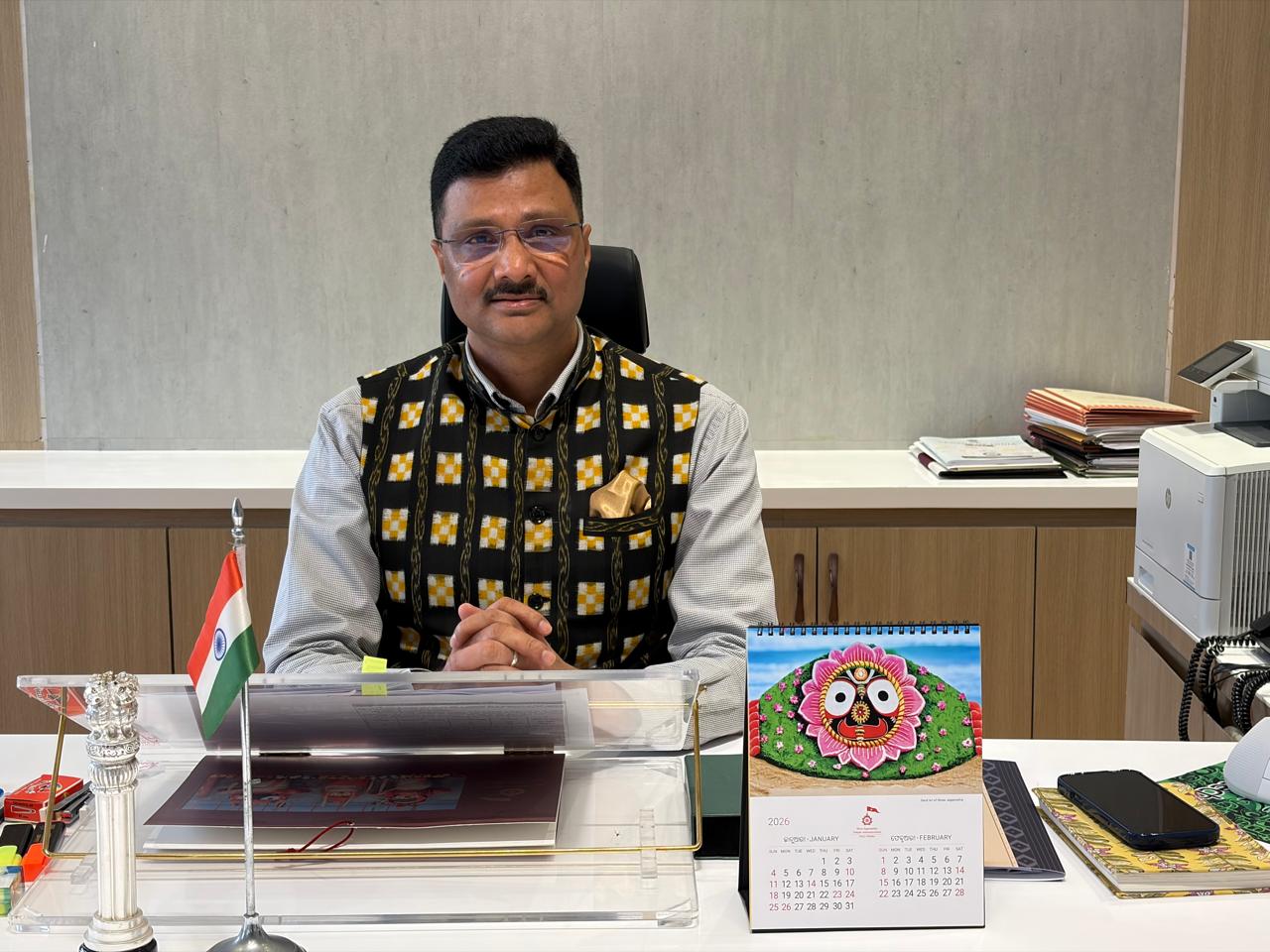
This initiative, driven by the visionary leadership of Dr. Arabinda Kumar Padhee, Additional Chief Secretary of the Department of Revenue & Disaster Management, marks a significant departure from colonial-era transliterations that often distorted the melodic and historical essence of local names.
For decades, many of Odisha’s most iconic locations were identified in official English records by spellings that acted as phonetic corruptions of their true names.
The new proposal, vetted by a high-level committee chaired by the legendary Odia litterateur and Padma Bhushan awardee Dr. Pratibha Ray, seeks to heal these linguistic scars.
Under this corrective lens, Angul transforms into Anugola, Cuttack returns to its roots as Kataka, and Balasore is restored to Baleshwar.
Even the silver city’s neighboring Athagarh and the coastal Kendrapara will now be officially recognized as Athagada and Kendrapada, ensuring that the written word finally honors the spoken breath of the people.
Department of Revenue & Disaster Management has released a comprehensive list of these proposed changes, inviting the public and representatives to offer their suggestions within a month.
From the rolling hills of Kandhamal to the bustling streets of Berhampur, which will transition to Brahmapur, every corner of the state is touched by this revival.
The transition of names across the state marks a significant linguistic shift, as several districts and administrative units move away from phonetic corruptions toward their authentic roots. For instance, Angul is now recognized as Anugola, while Pallahara has been corrected to Palalahada. Bolangir has shifted to Balangir, and Bangamunda is now Bangomunda.
In the coastal and central regions, Balasore has become Baleshwar, Nilgiri is Nilagiri, Bargarh is Baragada, Rajborasambar is Rajbodasambara, and the town of Bonth has changed to Banta.
The historic city of Cuttack is now Kataka, with its neighboring areas like Athagarh, Salipur, and Baramba becoming Athagada, Salepur, and Badamba respectively. Deogarh is now Debagada, and its block Reamal is Riamal.
In southern and western Odisha, Berhampur has been renamed Brahmapur, Hinjilicut is Hinjilikatu, Aska is Asika, Surada is Sorada, Dasarathpur is Dasharathpur, Dharmasala is Dharmashala, and Belpahar is Belpahad.
Further changes include the transformation of Dharamgarh into Dharmagada, Junagarh into Junagad, Jaipatna into Jayapatana, Lanjigarh into Lanjigada, and Bhawanipatna into Bhabanipatana.
The district formerly spelled as Khondmal or Phulbani is now Kandhamal, while Kendrapara has become Kendrapada, and Aul is officially Aali. Mahakalapara has shifted to Mahakalapada, and Keonjhar along with Keonjhargarh are now Kendujhar and Kendujhargada.
Barbil is now Badabil, Khurda is Khordha, Bolagarh is Bolagada, Banpur is Banapur, Jatni is Jatani, and Jeypore is Jayapur. In other districts, Podia has become Padia, Betnoti is Betanati, Samakhunta is Shamakhunta, Moroda is Morada, Rasgovindpur is Rasagobindapur, and the subdivision of Panchpir is now Panchapidha.
Finally, Nayagarh is Nayagada, Daspalla is Dashapalla, Khariar is Khadial, Rairakhol is Redhakhol, Sonepur is Sonpur, and Binka is Binika. In the northern belt, Sundargarh is now Sundaragada, Bonaigarh is Bonaigada, Koira is Koida, Lephripara is Lephripada, Subdega is Sabdega, Bargaon is Badagan, and Lahunipara is Lahunipada.
The effort reflects a deep-seated pride in Odia identity, treating place names not just as administrative labels, but as vessels of heritage. By aligning the English alphabet with the native tongue, the Odisha Government is ensuring that the state’s cartography finally speaks the language of its ancestors.