

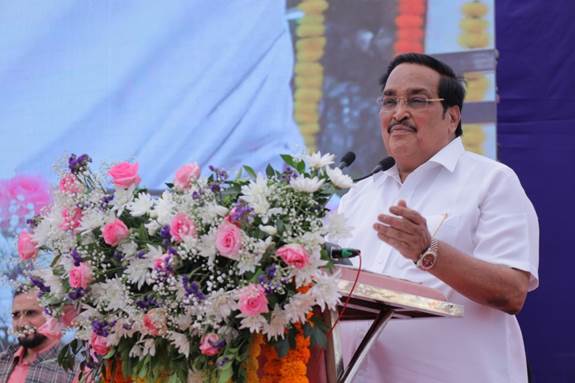
New Delhi: On International Women’s Day, Union Minister of Jal Shakti, Shri C. R. Paatil, launched Jal Mahotsav 2026 from Rahej village in the Navsari district of Gujarat. This nationwide campaign, organized by the Department of Drinking Water and Sanitation, aims to strengthen community ownership of rural water systems under the Jal Jeevan Mission. The launch included the observance of Jal Arpan Diwas, a symbolic ceremony where drinking water assets were formally handed over to Gram Panchayats.
Coinciding with International Women’s Day, which was observed as Sujalam Shakti Diwas, the campaign will now be held annually from March 8 to March 22. It operates under the tagline “Gaon ka Utsav, Desh ka Mahotsav,” emphasizing that local village efforts contribute to a larger national movement for sustainable water management. Simultaneous events were led by Ministers of State Shri V. Somanna in Maharashtra and Shri Raj Bhushan Choudhary in Bihar to mark the start of activities across the country.
In Navsari, the Union Minister interacted with women members of water quality testing groups and visited exhibitions showcasing Jal Jeevan Mission initiatives. He participated in Jal Bandhan activities, where sacred threads were tied to water infrastructure to symbolize the community’s commitment to protecting these resources. During his address, Shri Paatil praised the leadership of women in water governance, noting that over 24 lakh women are currently engaged in water quality testing. He highlighted how the Jal Jeevan Mission and Swachh Bharat Mission have improved health and dignity in rural India, and he urged citizens to focus on rainwater harvesting and groundwater recharge.
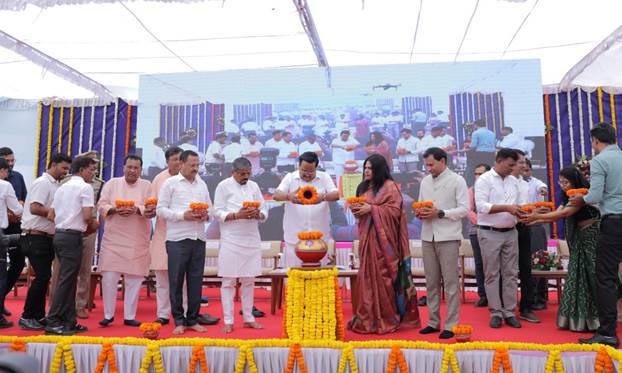
The event featured participation from Gujarat state ministers Shri Ishvarsingh Patel and Shri Nareshbhai Patel, along with Additional Secretary and Mission Director Shri Kamal Kishore Soan. Ceremonies included a Kalash Poojan to honor water resources and the screening of a short film titled Sujalam Shakti Diwas, which illustrated how tap water connections have empowered women by reducing the labor of fetching water.
The program concluded with the felicitation of community contributors, including self-help group members, pump operators, and village volunteers responsible for maintaining water systems. Finally, attendees took the Jal Sankalp pledge, a collective promise to conserve water and responsibly manage the infrastructure handed over to the Gram Panchayats through the Jal Arpan ceremony.