

Kolkata: The first phase of polling in West Bengal saw a massive turnout of voters who participated fearlessly in the democratic process, signaling a high level of civic engagement across the state.
Despite the challenging weather conditions and reports of localized tension, long queues of men and women were visible from early morning, reflecting a determined spirit among the electorate to cast their ballots without hesitation.
Election Commission data indicated that the polling percentage was exceptionally high as the state maintained its reputation for intense political participation.
Data from the Election Commission indicates a robust preliminary turnout, with figures crossing 89% by late afternoon and reaching as high as 91.64% by the close of the day. This aligns with your observation of people coming out in large numbers despite the heat.
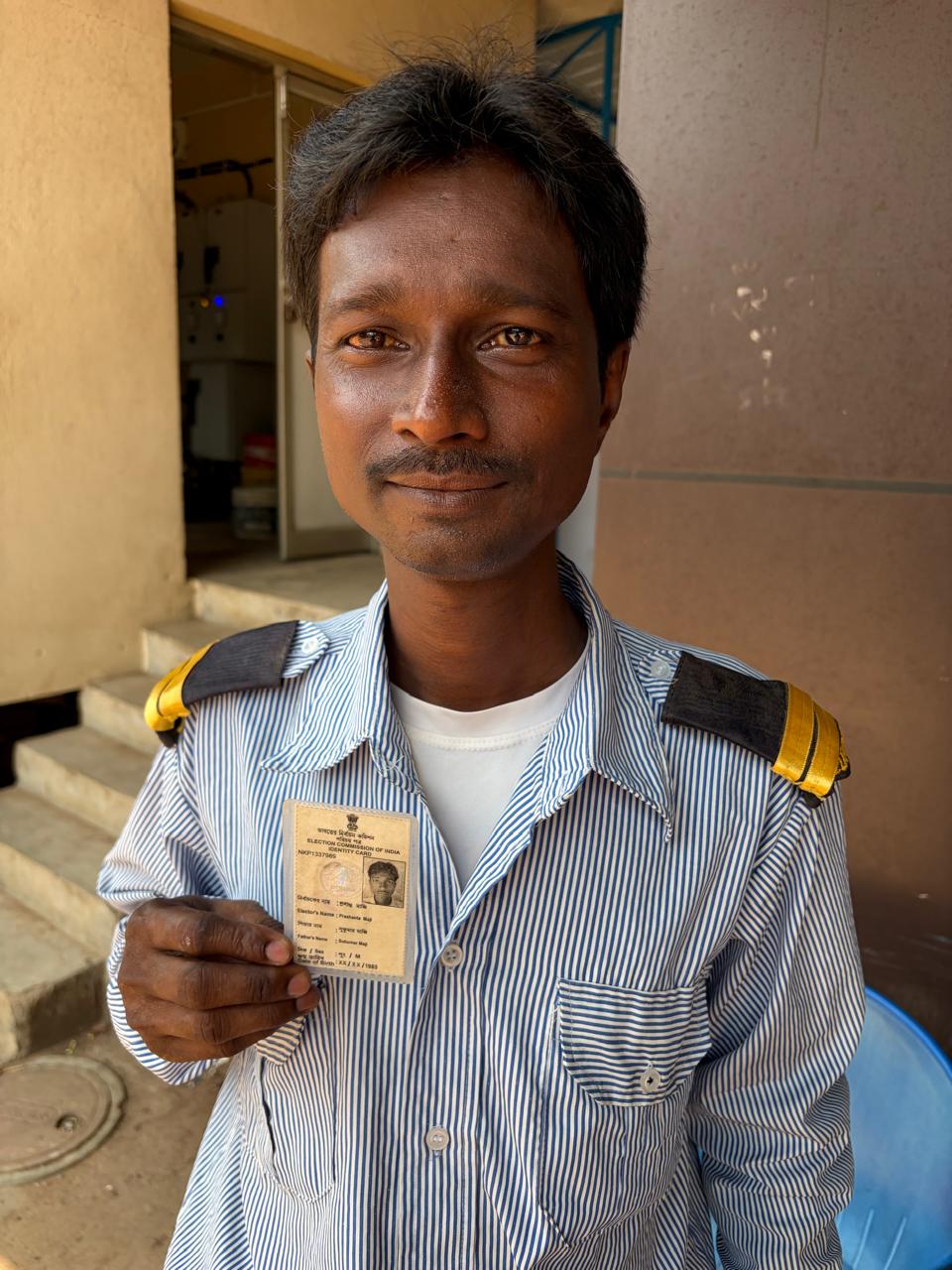
In Pashchim Midnapore, the atmosphere remained charged as voters braved a harsh heatwave to exercise their franchise. Among them was Prashanta Maji, who emerged from his polling booth expressing a sense of optimism regarding the electoral outcome.
He noted that the sheer volume of people turning out in such difficult weather conditions suggested a strong desire for a shift in the current political status quo. This sentiment of seeking a big change was echoed in several pockets of the district, where long lines persisted well into the afternoon.
The enthusiasm was particularly notable among the youth demographic. Ujwal Parmanik, a first-time voter, shared his excitement after casting his maiden ballot. Identifying as a supporter of Prime Minister Narendra Modi, Parmanik emphasized that his vote was driven by a vision for national development and a belief in the Prime Minister’s leadership.
His perspective highlights the BJP’s focused efforts to consolidate the first-time voter base in rural and semi-urban Bengal through a narrative of central-led progress.
In contrast, the social fabric of the voting day was also captured in Mian Bazar, where Sakir Khan shared his reflections on the state of the region. Khan expressed a hope for a change that leads to better infrastructure and more stable local governance. His stance underscores a broader trend of voters prioritizing tangible improvements in their daily lives over purely ideological battles.
While the high turnout is a positive sign for democratic health, the day was not without its share of incidents. Reports of minor skirmishes between party workers surfaced in various blocks, with allegations of intimidation and booth jamming being traded by both the TMC and BJP. In certain sectors of Pashchim Midnapore, central forces had to intervene to disperse crowds gathering near polling stations. However, the Election Commission maintained that the polling remained largely peaceful and that most complaints were addressed swiftly to ensure the integrity of the process.
This first phase sets a critical tone for the remaining rounds in West Bengal. The combination of seasoned voters like Maji sensing a shift, young voters like Parmanik backing central leadership, and residents like Khan looking for localized betterment indicates a complex, multi-layered mandate. Political analysts suggest that the high turnout in the face of extreme weather usually points toward an anti-incumbency pulse, yet the TMC’s robust grassroots organization continues to be a formidable counter-force that makes the final tally difficult to predict.