

Bhubaneswar: In a major boost to the state aquaculture sector, the Odisha Cabinet has approved a comprehensive regulatory framework and operational guidelines for the regulation and promotion of specific pathogen-free white leg shrimp (Litopenaeus vannamei) and other brackish water suitable species in inland saline waters.
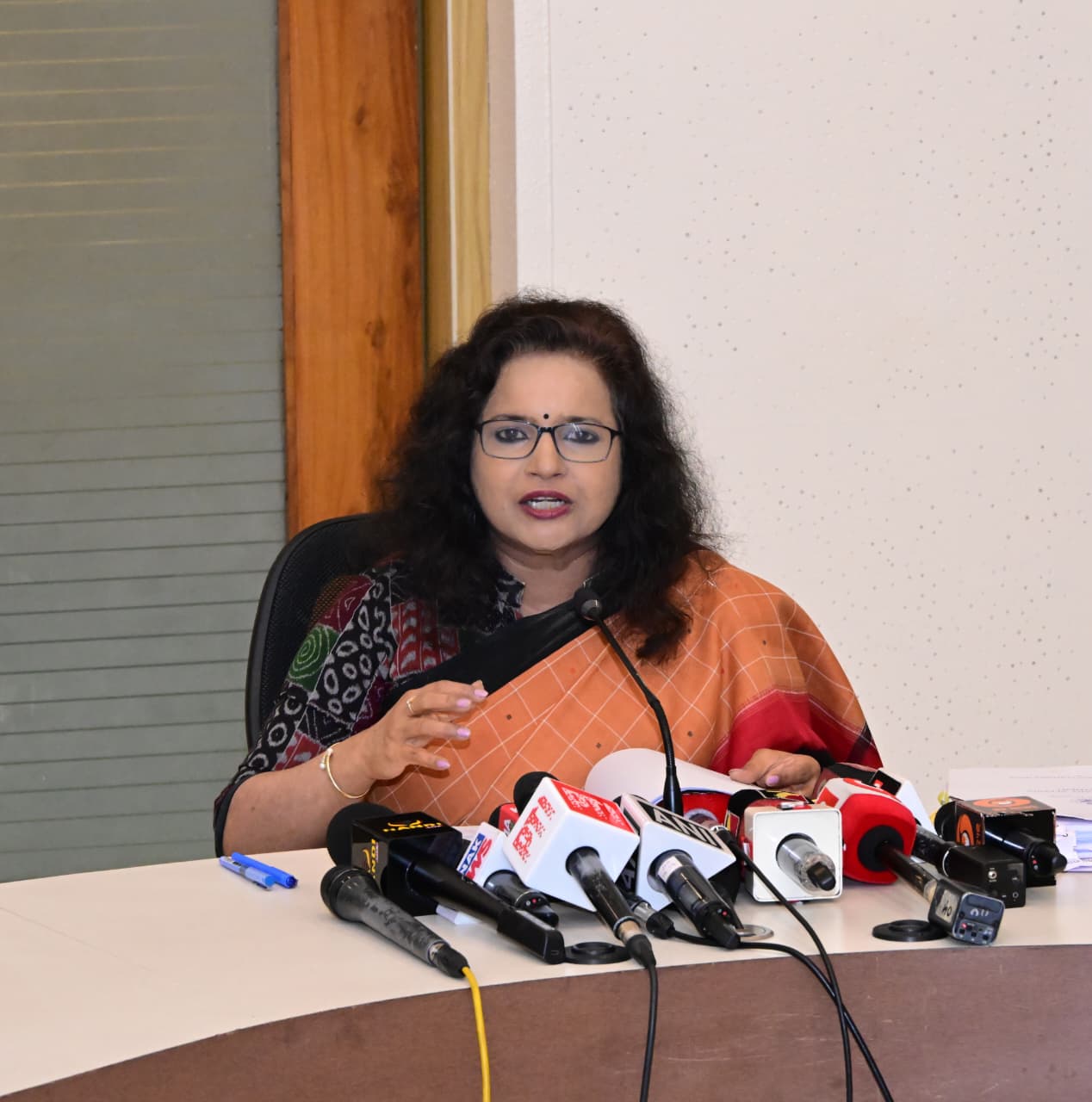
This newly approved policy focuses on managing farming practices in areas located 2 to 10 kilometers from the high-tide line, operating well beyond the current jurisdiction of the Coastal Aquaculture Authority, said Shrimati Anu Garg, Chief Secretary, while briefing Media after the State Cabinet Meeting.
Shri Prem Chandra Chaudhary, Secretary Fisheries and ARD has been working on the project for quite some time. The framework establishes a scientifically backed and environmentally sustainable system to safely expand aquaculture across inland saline zones. Key requirements introduced under the guidelines include mandatory online farm registration, scientific site selection, and strict biosecurity measures. To ensure high environmental safeguards, farms will be required to implement active disease surveillance, regular water quality monitoring, and dedicated Effluent Treatment Systems.
Administered by the Fisheries and Animal Resources Development Department, the initialization will prioritize a cluster-based development model. This method will supply common infrastructure facilities and foster the adoption of advanced aquaculture technologies, aimed directly at boosting local productivity, securing biosecurity, and improving rural livelihoods.
This regulatory framework is designed as a foundational stepping stone for the upcoming Odisha Shrimp Mission, a key component of the state Blue Economy initiatives outlined under Odisha Vision 2036 and Vision 2047. The state expects the initiative to bring an additional 25,000 hectares of farming area into utilization.
Over the coming decade, annual shrimp production is projected to scale up from 1.6 lakh metric tonnes to 9 lakh metric tonnes. This expansion is forecasted to drive annual seafood export values from the current 5,429 crore rupees to 15,000 crore rupees by 2036, while generating an estimated 2.5 lakh new livelihoods. By the 2047 milestone, the framework positions Odisha to become a top tier state in global shrimp production and exports, empowering local coastal communities and establishing a primary economic driver through sustainable fisheries.