

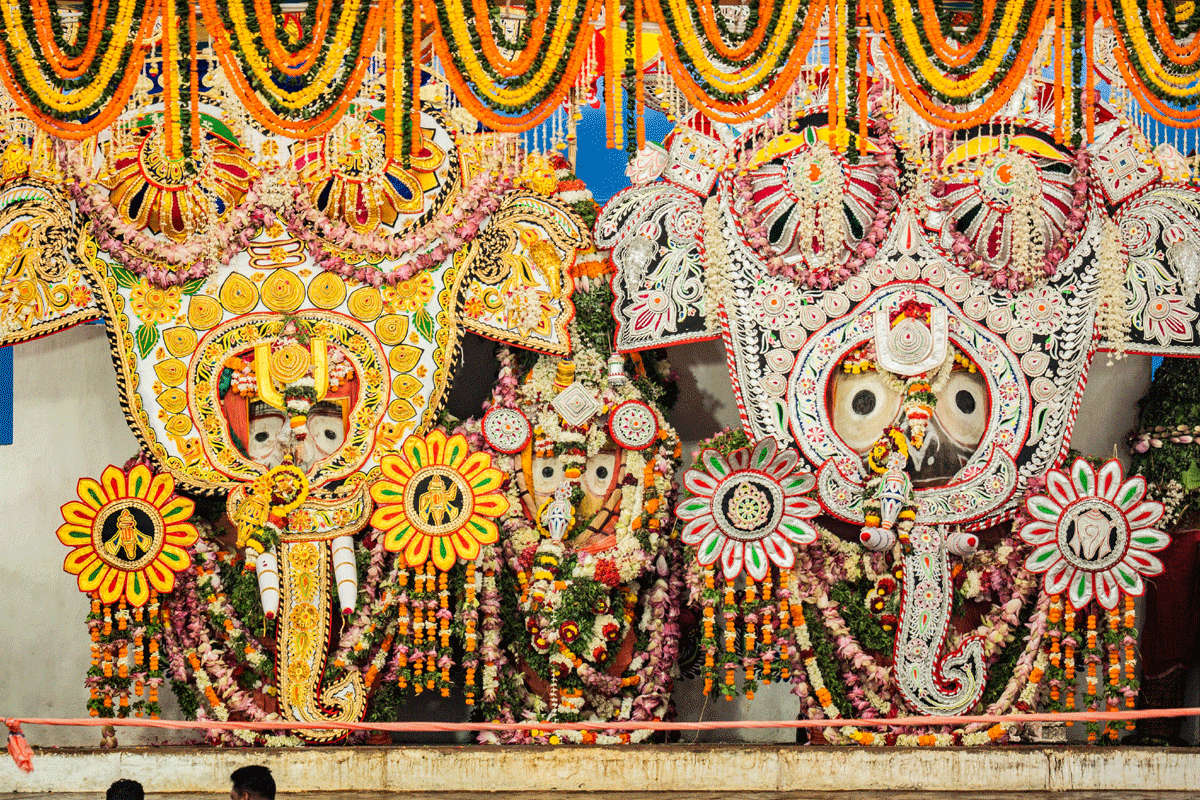
Puri: In a spectacular display of devotion, the Holy Trinity of the Jagannath Temple—Lord Jagannath, Lord Balabhadra, and Goddess Subhadra—captivated hundreds of thousands of gathered devotees at the Snana Bedi by appearing in the sacred Gajanan Vesha, also widely known as the Hati Vesha or elephant attire.
The grand ritual took place on the auspicious occasion of Jyestha Purnima, following the ceremonial bathing of the deities. The deities were brought in a grand procession from the inner sanctum to the elevated bathing platform, where they were ritually bathed with 108 pots of fragrant, purified water to offer relief from the peak summer heat.
Following the sacred bath, skilled dressers decorated the deities using beautifully crafted elephant masks made of sola pith, velvet, and intricate flowers provided by traditional monasteries. Lord Jagannath and Lord Balabhadra appeared in the form of Ganesha, representing the black and white elephant forms respectively, while Goddess Subhadra was adorned in a beautiful lotus-themed attire. This unique ritual symbolizes the omnipresence of the Supreme Lord and his ability to assume any form to please his devotees.
According to temple lore, the tradition originates from the story of Pandit Ganapati Bhatta, a staunch devotee of Lord Ganesha who visited Puri centuries ago. Dissatisfied at not finding his preferred deity, he began to leave the city. However, the Lord manifested before him on the Snana Bedi in this magnificent elephant attire, proving that all divine forms originate from the same ultimate source.
Soon after the public audience in this Gajanan Vesha, the deities were escorted to the Anasara Ghar, the traditional sick room inside the temple premises. As per ancient tradition, the heavy bathing ritual causes the deities to fall ill with a fever, leading to a fortnight of complete privacy and recuperation under the care of the royal physician before they reappear for the annual Rath Jatra.