

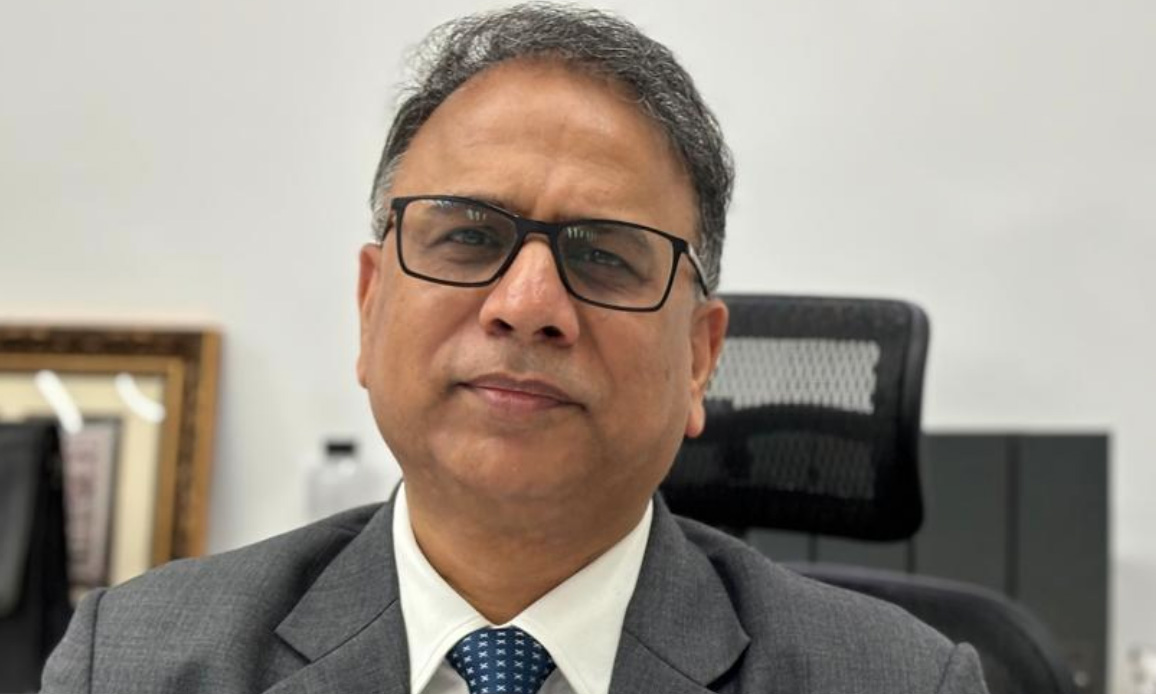
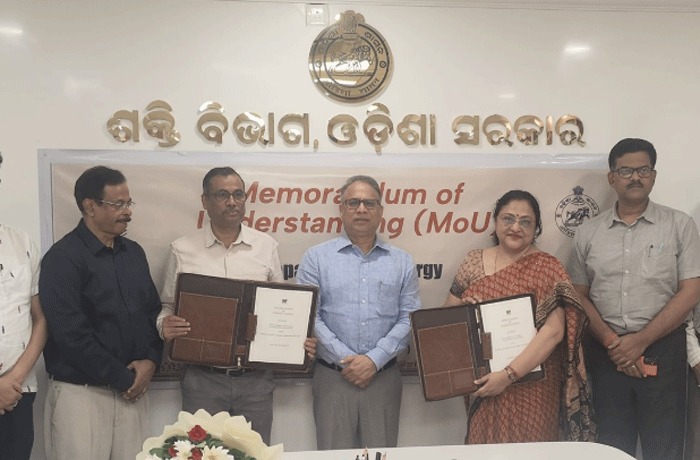
Bhubaneswar: Shri Vishal Dev, Additional Chief Secretary (ACS) of the Energy Department and Chairman of Odisha Hydro Power Corporation (OHPC), has presided over the signing of a major Memorandum of Understanding (MoU) for the financial year 2026-27.
This agreement marks a decisive shift in aligning the state’s premier hydropower generator with long-term green transition and climate resilience strategies. Handled as a structured performance framework under his leadership, the agreement acts as a binding roadmap to drive institutional accountability, financial profitability, and grid stability.
The details of this collaborative framework and the broader administrative scaling up of the corporation highlight several key operational focus areas.
The formal agreement establishes measurable, time-bound parameters for the corporation, moving past generic growth statements into quantifiable production and modernization metrics.
Maximizing Annual Hydropower Generation The primary target remains the optimization of annual power generation across its existing fleet, which includes major installations like Upper Indravati, Balimela, Upper Kolab, and Rengali. The corporation is tasked with managing water resources with extreme precision, balancing the immediate peaking power demands of the state grid against downstream irrigation requirements.
Renovation and Modernization of Old Stations To eliminate operational inefficiencies that directly impact the pricing and availability of electricity for end consumers, the agreement emphasizes comprehensive renovation and modernization programs. Upgrading legacy hardware and aging turbines will minimize unscheduled downtime and improve overall machine availability.
Implementation of Pumped Storage Projects (PSPs) A critical feature of the new operational mandate is the accelerated development of Pumped Storage Projects, particularly in mega-reservoirs like Upper Indravati, Balimela, and Kolab. These facilities act as massive water-based batteries, pumping water uphill during periods of low power demand and releasing it to generate electricity during peak evening hours, a capability crucial for integrating volatile solar and wind energy into the main grid.
Financial Performance and Governance The MoU enforces strict financial discipline and clear targets for return on investment. As a consistent dividend-paying entity to the state exchequer, the corporation is mandated to further reduce transmission overheads and administrative waste, ensuring it remains an asset-heavy, highly profitable state public sector undertaking.
The transformation of the corporation is closely tied to the leadership of Shri Vishal Dev, who has brought an aggressive, reform-oriented approach to the energy portfolio. Following his elevation to the rank of Additional Chief Secretary, his strategy has focused on positioning the corporation not merely as an electricity provider, but as the anchor of Odisha’s renewable energy security.
Moving Beyond Traditional Hydro Under his direction, the corporation has expanded its institutional horizons. It is actively branching out into multi-source renewable integration, notably through the promotion of large-scale solar power additions and floating solar concepts on existing reservoirs to complement seasonal hydro generation.
Driving Global and National Energy Alliances The administrative drive to scale operations went national with initiatives like the major Global Energy Leaders’ Summit hosted in Odisha. By bringing together Union and State ministers along with international experts, the leadership has leveraged external knowledge networks to reform the state’s energy infrastructure and secure funding channels for capital-intensive pumped storage infrastructure.
Human Resource and Structural Restructuring Recognizing that physical infrastructure cannot scale without institutional capacity, a massive organizational restructuring has been introduced. This includes extensive human resource updates, structured succession planning, and advanced technical skill enhancement programs for engineering staff to manage modern, digitized hydro-power systems.
Through this comprehensive MoU and aggressive administrative push, the corporation is shifting away from a passive utility model. It is transitioning into a modern, climate-resilient clean energy corporation designed to support Odisha’s rapid industrialization while moving steadily toward long-term net-zero goals.