

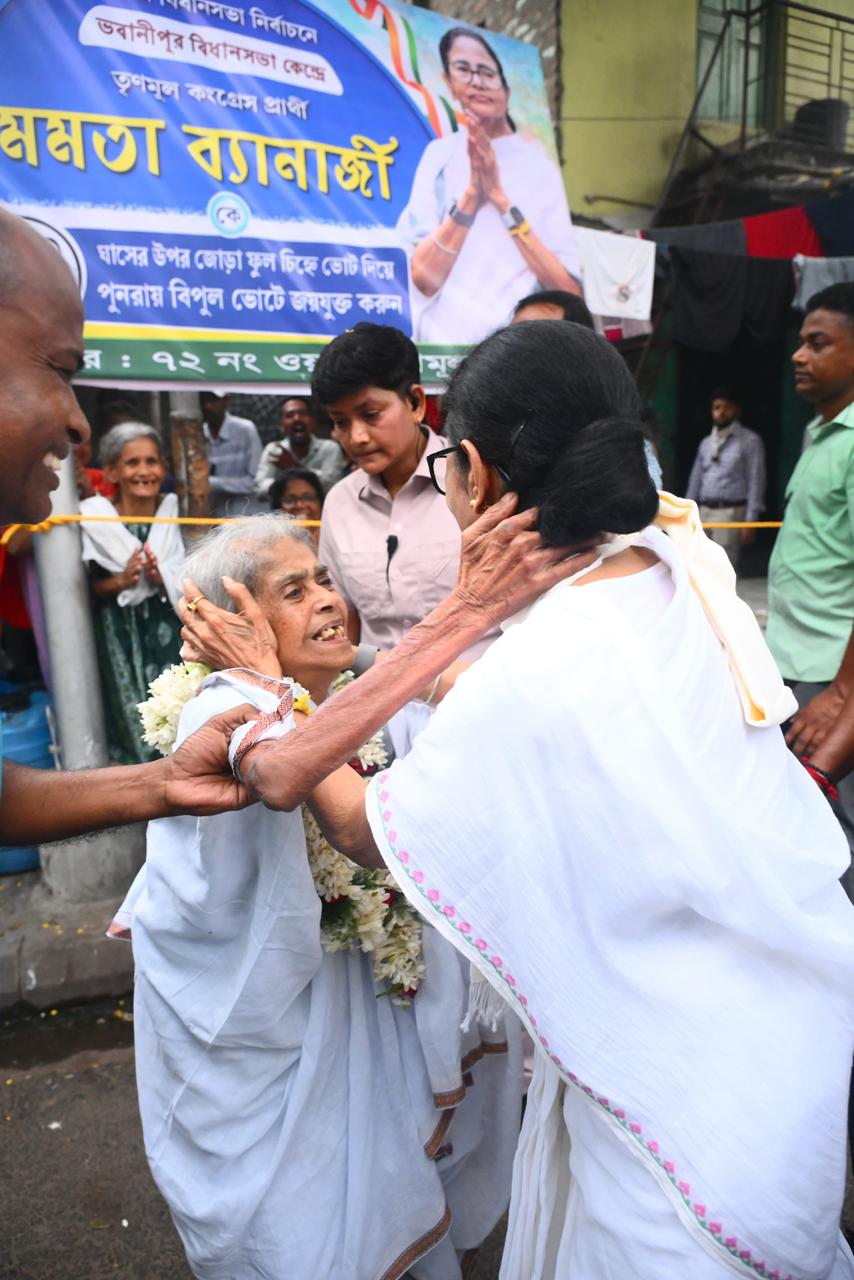
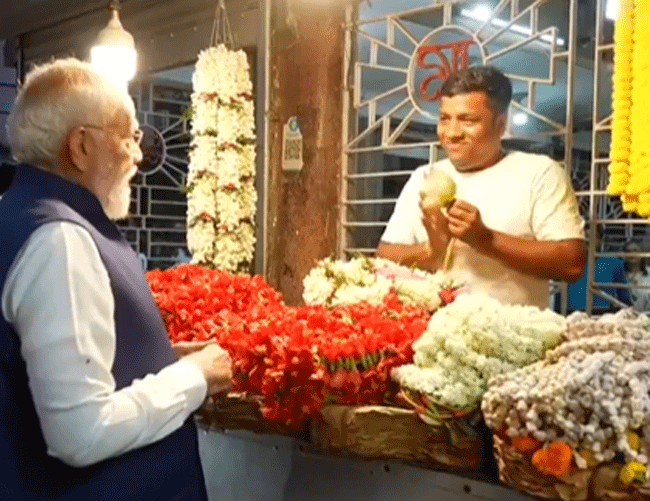
Kolkata: The streets of Kolkata have transformed into a living theater as the city prepares for the final push of the 2026 Assembly elections on April 29. In a departure from the high-decibel rallies of the past, this election cycle is defined by what locals are calling the politics of intimacy. Candidates across party lines have ditched the grand podiums for more humble settings, leading to surreal sights in the city’s historic lanes.
In North Kolkata, a prominent candidate was recently spotted at a roadside saloon, trading a microphone for a razor to give a waiting customer a shave. Meanwhile, in the southern pockets of the city, competitors have been found in the kitchens of voters, stirring pots of dal or frying fritters at neighborhood stalls to demonstrate their common-man credentials. This shift toward retail politics is being driven by the digital age, where a single image of a leader washing utensils in a village home or carrying water buckets for an elderly resident carries more weight on social media than a traditional manifesto.
The atmosphere is further heightened by the high-stakes nature of this two-phase election. With the Special Intensive Revision having recently updated the electoral rolls, the city is a buzz of activity.
Leaders like Mamata Banerjee are focusing on their home turf in Bhabanipur, while Prime Minister Narendra Modi is seen for a spiritual and political hybrid event, offering prayers at the iconic Thanthania Kalibari before leading a massive roadshow through the heart of the city.
Even the walls of Kolkata have joined the fray, covered in elaborate graffiti that balances sharp political satire with traditional Bengali artistry. As the clock ticks toward the 7:00 a.m. opening of booths on Wednesday, the city remains a vibrant mix of culinary campaigning and high-tension strategy, all converging for a decisive moment in West Bengal’s political history.