

Kolkata: The air in Kolkata is thick with more than just the April heat as the city approaches its date with the ballot box this Wednesday. This second and final phase of the 2026 assembly elections feels like a concentrated distillation of Bengal’s complex political identity, where every street corner and tea stall serves as a makeshift forum for debate.
The political climate in Kolkata as it moves toward the April 29 polls is defined by a sharp contrast in how the two primary contenders seek to influence the urban electorate. Mamata Banerjee relies on a deeply personal, grassroots approach, positioning herself as the quintessential guardian of Bengali culture and the primary architect of a wide-reaching social safety net.
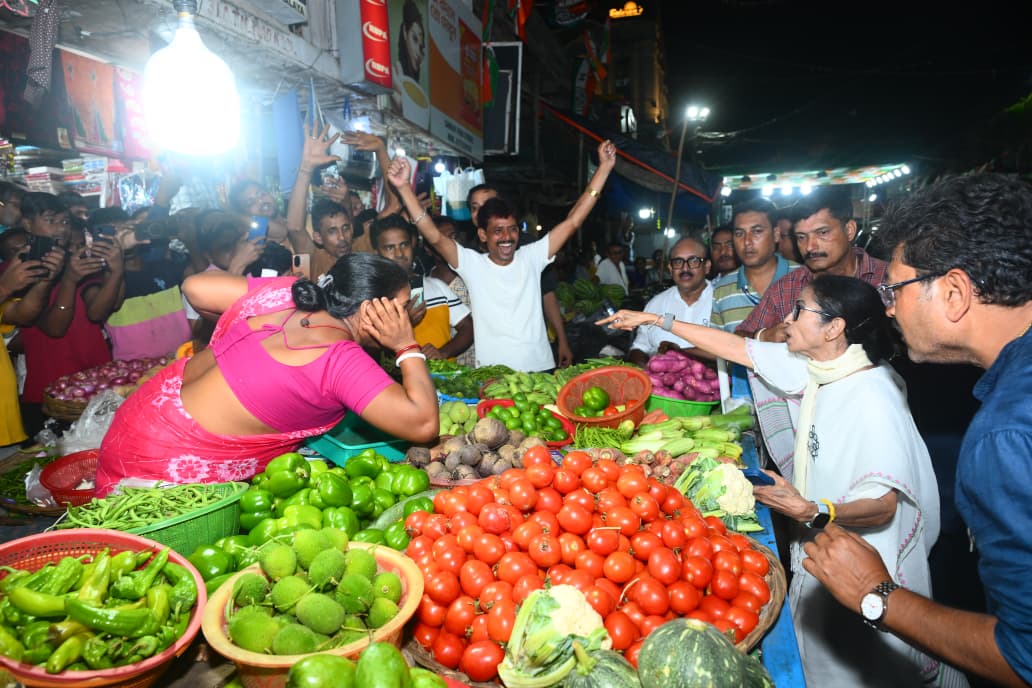
By walking the streets of local neighborhoods and visiting traditional markets, she reinforces her image as a leader who is physically and emotionally accessible to the common citizen. Her strategy focuses on amplifying the impact of welfare schemes like Lakshmi Bhandar, framing the election as a defensive struggle to protect the state’s unique identity from being overwhelmed by external political forces.
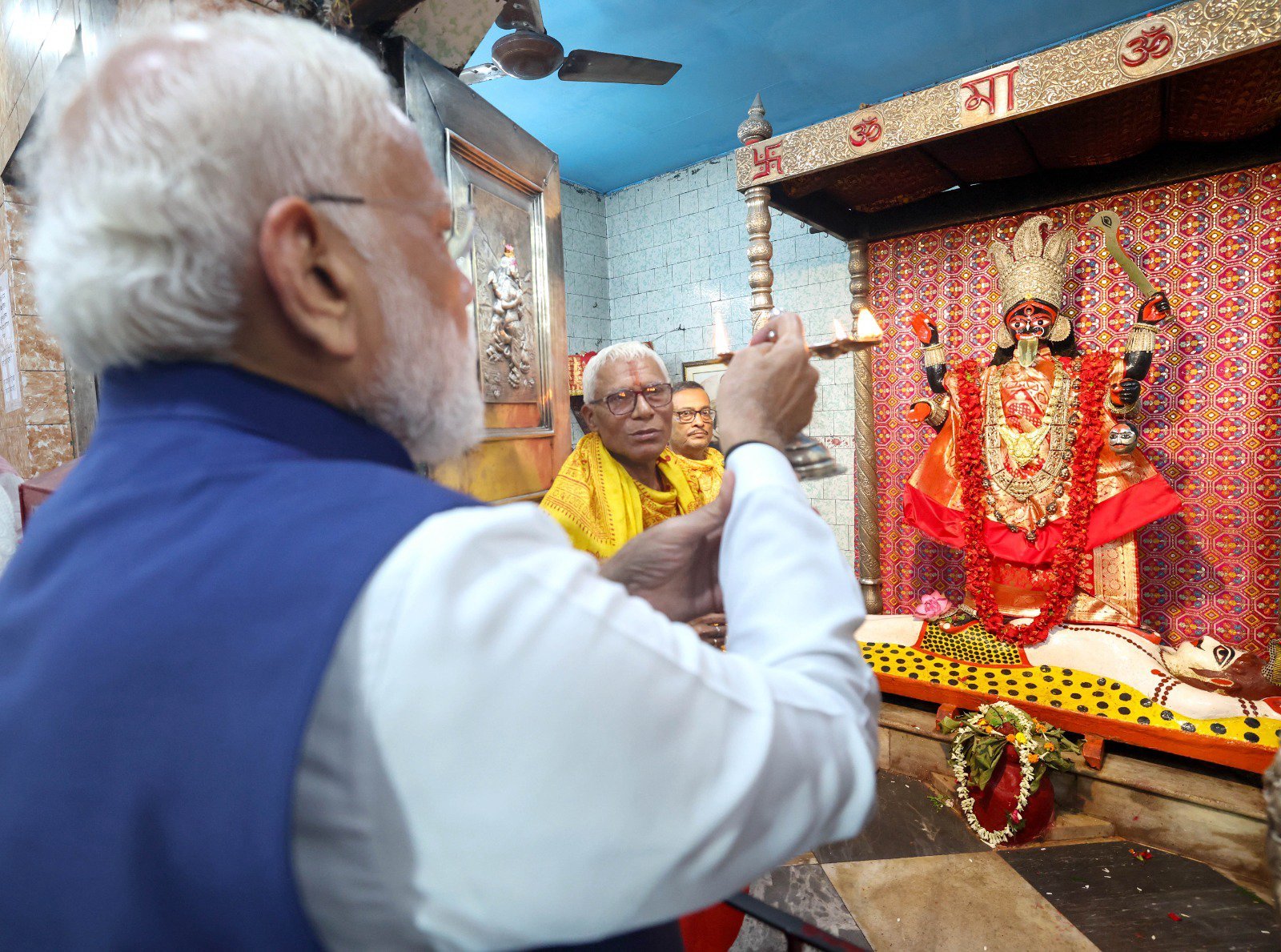
On the other side of this ideological divide, Prime Minister Narendra Modi is attempting to convince the city’s voters by presenting a vision of institutional modernization and economic stability. His campaign centers on the promise of a double-engine government that could supposedly unlock central funds and infrastructure projects currently stalled by state-level friction. By addressing sensitive issues like the R.G. Kar tragedy, the Prime Minister highlights concerns over women’s safety and administrative transparency, seeking to tap into the frustrations of the urban middle class and the youth. While the Chief Minister offers the familiarity of cultural kinship and social doles, the Prime Minister offers the lure of a systemic overhaul and national integration, leaving Kolkata to decide between the preservation of its current path or a pivot toward a different developmental model.
A significant undercurrent in these polls is the controversy surrounding the Special Intensive Revision of the electoral rolls. With millions of names removed from the lists, the anxiety over citizenship and disenfranchisement has become a central pivot for voter mobilization. While the BJP links identity to migration and security, the ruling party views the exercise as a targeted move against its core base.+1
Meanwhile, the Left Front and Congress seek to claw back relevance in a landscape that has become increasingly bipolar. For the urban voter in Kolkata, the choice is often caught between the comfort of familiar social safety nets and the desire for a new industrial and economic roadmap.
As the Election Commission scales up security across 142 constituencies, the city stands on the threshold of a decision that will not only dictate the state’s governance for the next five years but also signal the shifting winds for the 2029 national stage. In Kolkata, voting is rarely just a civic duty; it is a high-stakes cultural performance.