

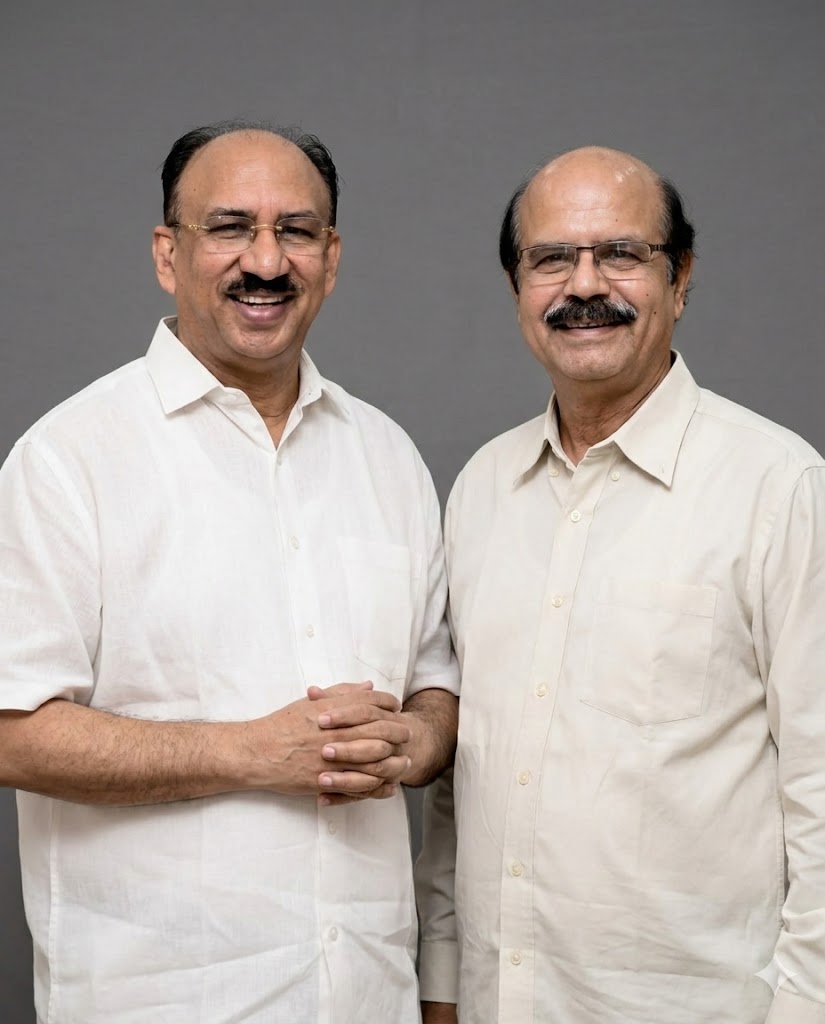
Bhubaneswar: A controversy has surfaced during the Rajya Sabha election from Odisha after the election agents of candidates Santrupta Mishra and Datteshwar Hota jointly raised objections over the issuance of second ballot papers to two MLAs during polling in the Odisha Legislative Assembly.
According to the objections placed before the Returning Officer during the counting process, BJP MLA Upasana Mahapatra and another MLA were issued replacement ballot papers after returning their original ballots. The candidates’ representatives have questioned whether the second ballots were issued in accordance with Rule 41 of the Conduct of Election Rules, 1961, which governs the handling of “spoilt and returned ballot papers.”
Sources present during the polling process stated that Upasana Mahapatra sought a second ballot after claiming that the pen provided at the polling station was leaking, following which the first ballot was cancelled by the presiding officer and placed in the cancelled ballot packet before a fresh ballot was issued.
However, the election agents representing Mishra and Hota have raised serious concerns about the circumstances leading to the re-issuance of the ballot. It has been claimed that video footage exists showing the MLA requesting another ballot after stating that she had made a mistake while marking the ballot.
The representatives also alleged that the Election Commission Observer had initially declined permission to issue a second ballot and later allowed the same, raising questions about whether the statutory requirement of “satisfaction” under Rule 41 was properly established before permitting the replacement ballot.
In their formal submission during counting, the candidates’ agents requested the Returning Officer to verify:
• the cancelled ballot papers relating to the incident,
• the endorsements made on those ballots,
• the counterfoil entries, and
• the ballot paper account to ensure that the statutory procedure had been strictly followed.
The objection highlighted that Rajya Sabha elections involve a limited electoral college of MLAs, making strict adherence to ballot procedures essential since each vote carries decisive weight in the proportional representation system used for the election.
The Returning Officer has been asked to place the objections on record and verify whether the cancellation and issuance of replacement ballots complied fully with the rules. Representatives of the candidates have indicated that they reserve the right to pursue appropriate legal remedies under election law if procedural irregularities are established.
Election officials have not issued any formal response to the objections so far.
The Rajya Sabha election from Odisha is being closely watched, and the controversy over the issuance of replacement ballots has added a new dimension to the proceedings.