

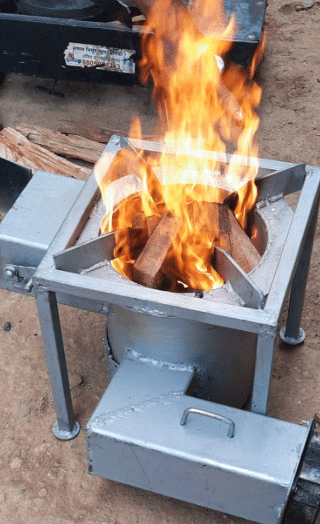
Bhubaneswar: The resurgence of wood fire stoves has gained significant momentum in 2026, driven by a combination of high design trends and energy independence. These appliances are increasingly being integrated into modern homes as architectural focal points rather than just functional heating units.
New design trends emphasize a minimalist aesthetic, often referred to as flame over frame. This approach utilizes large glass viewing panels and hidden handle mechanisms to maximize the visual impact of the fire. Manufacturers have also introduced a wider variety of finishes, moving beyond traditional black to include deep reds, sage greens, and metallic tones that complement diverse interior styles.
From a technological standpoint, the latest models are engineered to meet strict environmental standards such as Ecodesign and EPA certifications. These modern units significantly reduce particulate matter emissions compared to older versions. Many high-end stoves now feature smart integration, allowing users to monitor temperature and burn efficiency through mobile applications.
The regulatory landscape remains a critical factor in this comeback. In many regions, the sale of wet wood with a moisture content above 20 percent is banned to ensure cleaner combustion. Urban centers continue to enforce smoke control regulations, permitting only highly rated clean-burn appliances.
Proponents of the trend highlight wood as a renewable energy source that provides a reliable backup during power grid failures. However, health organizations continue to monitor the impact on indoor air quality, leading to ongoing debates regarding the use of wood-burning appliances in densely populated areas.