

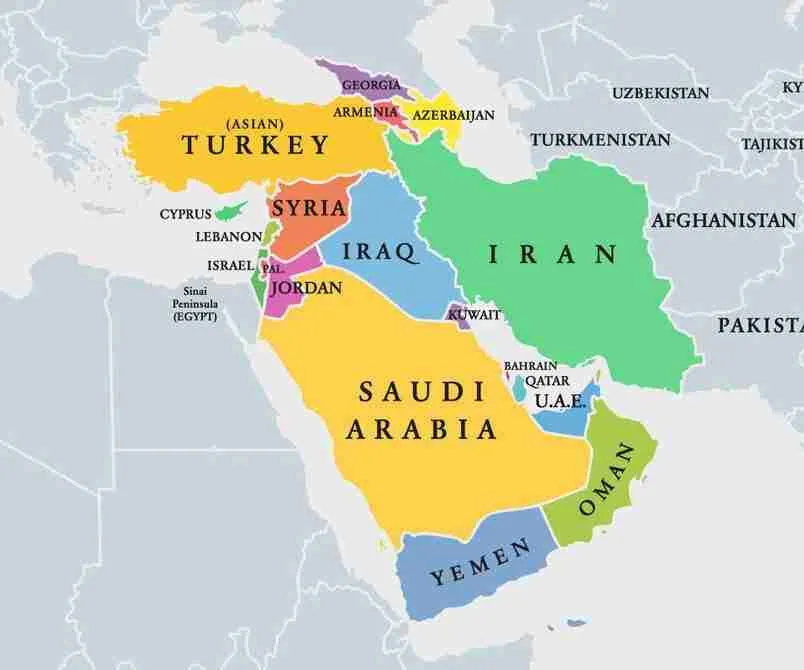
Bhubaneswar: The economic landscape of Odisha is facing a complex set of challenges due to the persistent conflict in West Asia, with the seafood industry standing out as the most severely affected sector. Odisha is a major exporter of marine products, particularly frozen shrimp, and the disruption of shipping lanes through the Red Sea has created a logistical nightmare.
Because vessels must now take longer routes around the Cape of Good Hope, shipping costs for Odisha-based exporters have surged by nearly forty percent. This delay is particularly damaging for perishable goods, leading to a significant drop in export volumes and forcing local aquaculture farmers to sell their produce at lower prices in domestic markets to avoid total loss.
The impact of the West Asia conflict on Odisha’s agricultural sector is particularly pronounced in the supply chain for urea and other essential fertilizers. India relies on West Asia for nearly 40% of its fertilizer imports and approximately 86% of the liquefied natural gas (LNG) required to power domestic urea plants. As the conflict has disrupted maritime trade through the Strait of Hormuz and the Red Sea, the cost of raw materials like ammonia and sulfur has spiked. This has led to a reduction in domestic urea production capacity, as gas distributors have been forced to prioritize supplies, sometimes cutting allocations to fertilizer units by 30% to 40%. For a state like Odisha, where the Kharif and Rabi cycles are the lifeblood of the rural economy, these global disruptions translate directly into localized supply crunches.
The real estate and construction industries in Odisha are also experiencing a notable slowdown as a direct consequence of global energy volatility. The state relies heavily on road transport for the movement of essential building materials like cement, sand, and bricks. As the conflict keeps global crude oil prices high, the cost of diesel remains elevated, which translates into higher transportation surcharges for every truckload of material.
Developers in urban hubs like Bhubaneswar and Cuttack are finding it difficult to maintain their original price points, leading to a cooling effect on the housing market as middle-class buyers delay purchases in anticipation of further price hikes.
Beyond logistics and perishables, the metallurgical and mineral sectors that form the backbone of Odisha’s economy are feeling the pinch of increased operational overheads. While the state is rich in iron ore and aluminum, the processing of these minerals is energy-intensive. Any spike in the price of imported natural gas or coal, triggered by the geopolitical instability in West Asia, increases the cost of production for large-scale plants.
Furthermore, the rise in maritime insurance premiums for cargo leaving Paradip and Dhamra ports has made Odisha’s mineral exports less competitive on the global stage, threatening the profit margins of the state’s industrial giants.
Finally, the human element of the conflict involves the thousands of Odia workers employed across the Gulf region. These workers provide a steady stream of remittances that support the rural economy in many districts. The ongoing tension has created a sense of job insecurity among the migrant population, particularly those in the hospitality and retail sectors in the Middle East.
If the conflict leads to a broader regional downturn, Odisha could face a dual crisis: a sudden cessation of foreign remittances and the sudden return of a large number of workers, which would place an immense strain on the state’s domestic labor market and social welfare systems.