

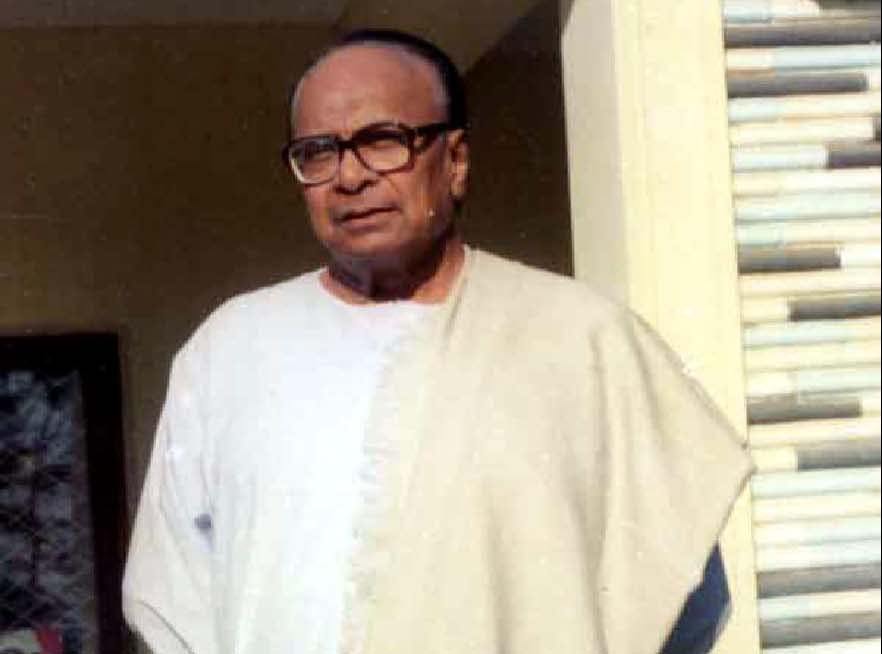
Bhubaneswar: For over two decades, the Biju Janata Dal has navigated the political waters of Odisha using the formidable name of Biju Patnaik as its primary anchor. However, as the party matures into its third decade of power, a persistent critique has emerged from veteran leaders, political analysts, and the recently formed Odisha Nagarika Mancha: has the party transitioned from being a vehicle of Biju Babu’s ideology to a mere electoral machine that has discarded his core tenets?
Biju Patnaik was defined by a brand of politics that was fiercely anti-authoritarian, transparently bold, and rooted in the empowerment of the grassroots. He was a leader who encouraged dissent, valued seasoned political colleagues, and operated with a legendary openness. Critics argue that the current BJD structure has moved toward an increasingly centralized and bureaucratic model of governance. The rise of a non-political, “technocratic” influence within the CMO is often cited as the sharpest departure from Biju’s style. While Biju Patnaik was known to empower political leaders and engage directly with the masses, today’s critics point to a “bureaucratic iron curtain” that separates the leadership from both the public and its own party cadres.
Furthermore, the “Odia Asmita” (Odia Pride) that Biju Patnaik championed was not just a cultural slogan but a demand for absolute regional autonomy and self-respect in the federal structure. He famously once suggested that Odisha should have the right to its own destiny if the Centre continued to neglect it. The contemporary critique suggests that while the BJD still invokes his name for regional branding, it has occasionally adopted a more conciliatory or “fixed-match” approach with national powers, potentially diluting the fiery regional advocacy that was Biju’s hallmark.
In the realm of internal party democracy, the contrast is equally stark. Biju Patnaik was a leader among leaders, surrounded by heavyweights who could challenge him. The current landscape, however, sees the marginalization of founding members—many of whom are now gathering under the banner of the Nagarika Mancha. These veterans argue that the party has traded Biju’s “pro-people, pro-worker” socialist roots for a highly managed welfare-populism that prioritizes beneficiary statistics over genuine political empowerment.
As Odisha moves toward a new political era, the BJD faces the challenge of proving that its connection to Biju Patnaik is more than just a portrait on a wall or a name on a scheme. If the party continues to prioritize administrative management over the raw, democratic energy that Biju Babu embodied, it risks becoming an organization that honors his memory while effectively burying his ideology. The struggle for his legacy is no longer just about who wins the most seats, but about who truly carries the spirit of the man who dared to dream of a sovereign-minded, fearless Odisha.