

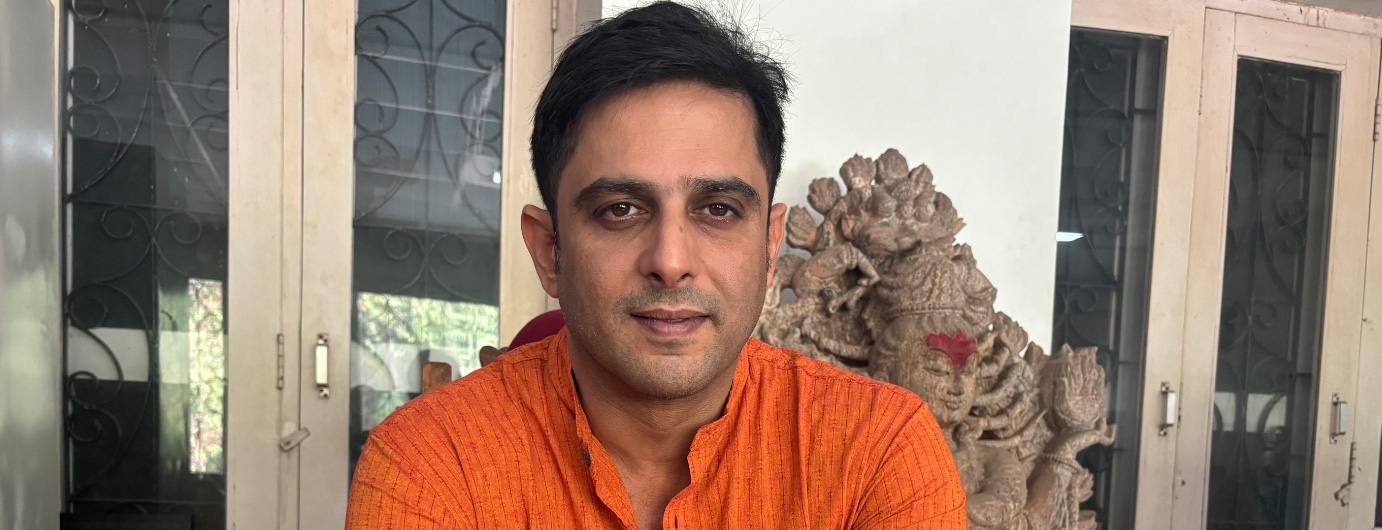
Bhubaneswar: The recent halt in monthly pension disbursements across Odisha, an issue forcefully brought to the forefront by Senior Lawmaker Shri Kalikesh Narayan Singh Deo, has exposed the deep-seated reliance of the state’s most marginalized demographics on institutional support structures.
For lakhs of elderly citizens, widows, and individuals with disabilities, these state-managed allowances function as a critical buffer against absolute destitution rather than a supplementary income.
Senior Lawmaker, Shri Kalikesh Narayan Singh Deo emphasized that these funds represent the very foundation of livelihood for the vulnerable, and their interruption ripples far beyond individual households, destabilizing the fragile informal economies of rural and semi-urban communities.
From a sociological perspective, social security pensions for the elderly and vulnerable are central to maintaining individual autonomy and dignity within the domestic sphere. In resource-constrained households, a predictable cash transfer shifts the elderly from being perceived as economic liabilities to contributing members who can cover their own basic needs, such as healthcare and nutrition. The suspension of these funds abruptly alters family dynamics, frequently increasing interpersonal stress and leaving non-earning members vulnerable to systemic neglect or intra-household resource discrimination.
The situation underscores the systemic nature of welfare dependency in developing regions. In areas with high rates of informal labor, there are no structural avenues for personal savings or employer-backed retirement plans. Consequently, the state becomes the primary guarantor of survival in old age or during times of physical vulnerability. When the state mechanism falters for even a brief period, it exposes these populations to immediate food insecurity and forces them to rely on high-interest informal loans, triggering a cycle of debt that is difficult to escape.
Furthermore, the sudden cessation of these lifelines disrupts localized micro-economies. Small-scale rural vendors, medicine shops, and local weekly markets rely heavily on the steady, predictable liquidity injected by monthly welfare distributions. The current bottleneck not only compromises the physical and mental well-being of individual recipients but also strains the community-level safety nets that naturally form around shared economic stability. Sociological evidence suggests that recovering from such prolonged periods of material deprivation takes significantly longer than the time it takes to restore administrative backlogs, leaving a lasting impact on public trust in institutional safety nets.