

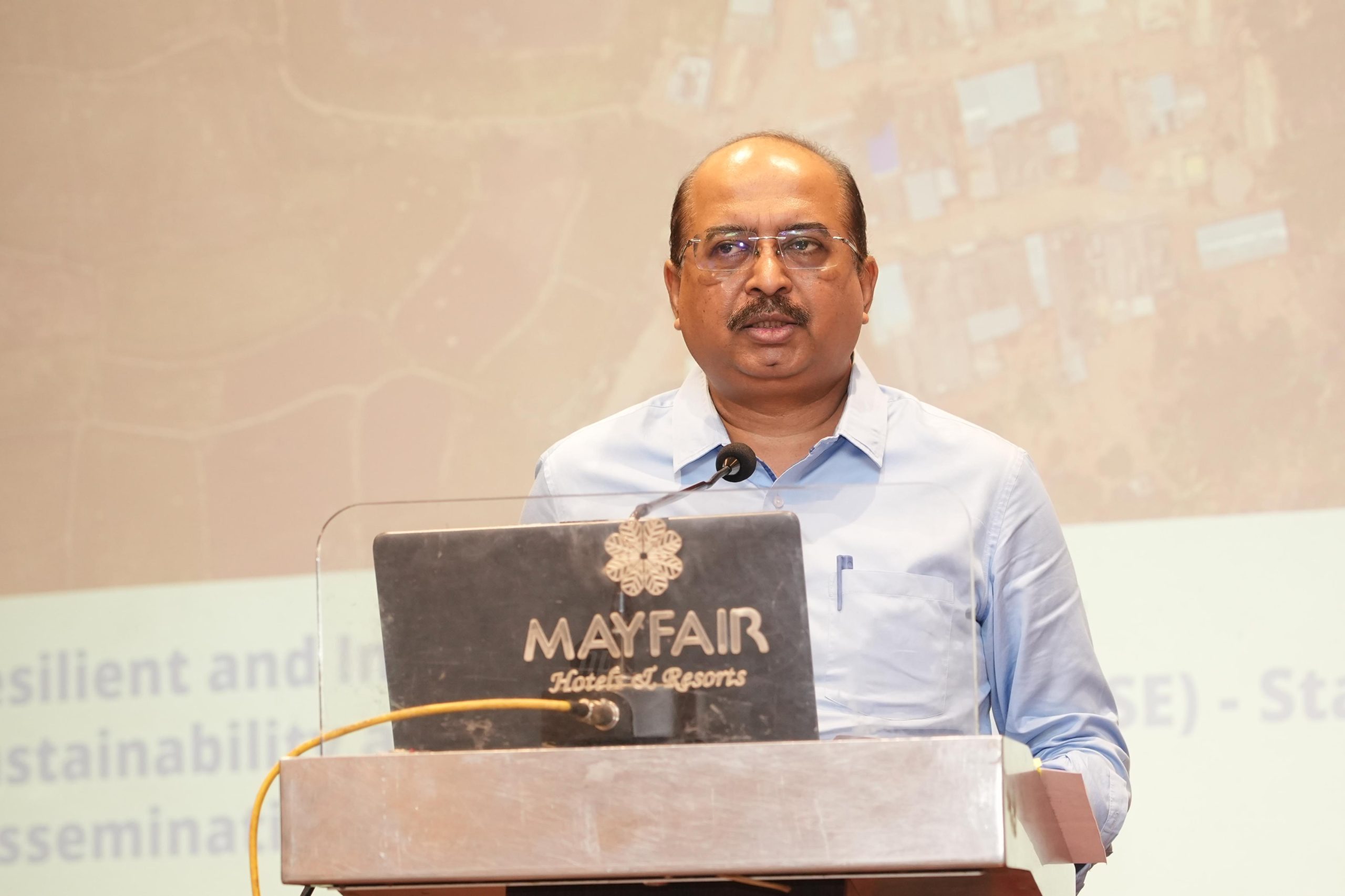
Bhubaneswar: A state-level workshop was conducted to highlight the achievements and key learnings of the RIISE project, a collaborative initiative between the Government of Odisha and the World Food Programme implemented in Ganjam district. The project aims to improve household food and nutrition security by empowering smallholder farmers and building community resilience against climate challenges.
Opening the context for the event, Ms. Nozomi Hashimoto, Deputy Country Director of WFP India, explained that the farmer-focused resilience programme in Ganjam was designed to create scalable models. She noted that the initiative succeeded through active community involvement in decision making and the delivery of localized climate advisories through various channels. She attributed this success to strong inter-departmental collaboration, resilient cropping choices, community engagement, and specialized technical expertise.
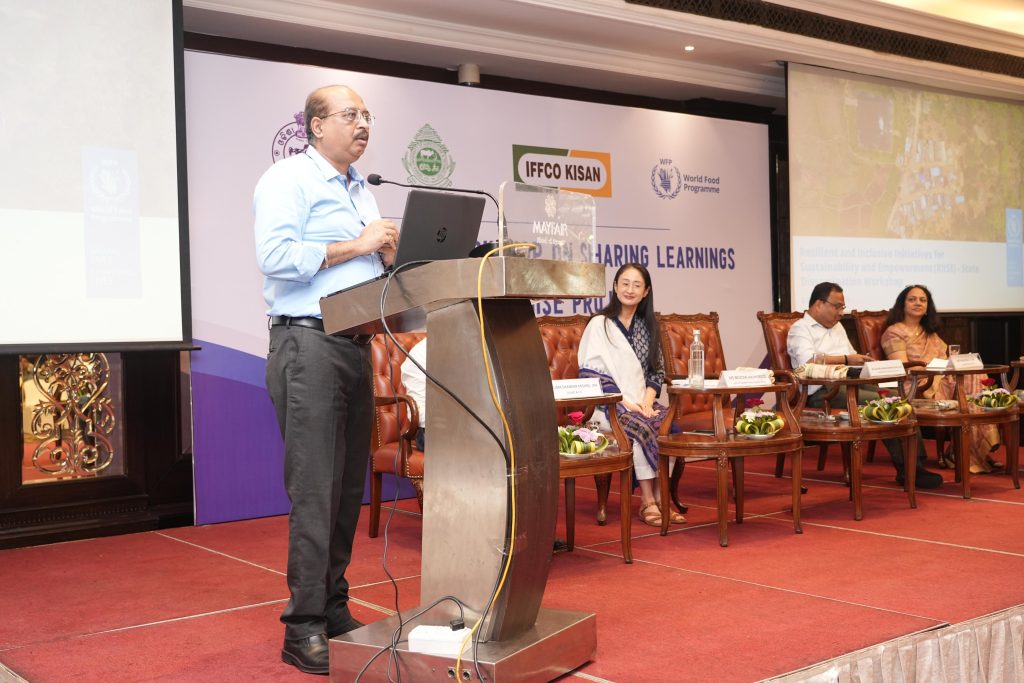
Delivering the keynote address, Sri Sachin Ramachandra Jadhav, IAS, Commissioner-cum-Secretary of the Department of Agriculture and Farmers’ Empowerment, highlighted that the project directly aligns with state priorities regarding climate resilience and community ownership. He emphasized that the positive outcomes and lessons learned must be sustained and continued. Sri Sachin Ramachandra Jadhav stated his commitment to scaling up these proven interventions across the entire state using existing government schemes. To achieve this, Sri Sachin Ramachandra Jadhav requested WFP’s continued support in formulating a concrete roadmap and comprehensive documentation for state-wide expansion.
The workshop provided a platform to share insights from the two-year project with various stakeholders. Farmers from Ganjam participated directly, describing their practical experiences with climate-resilient farming techniques, localized advisory services, and Community Adaptation Planning. Members of local community groups and self-help groups also shared first-hand accounts of how the project strengthened their livelihoods. Video presentations illustrating the project journey were screened during the event.
A central goal of the workshop was to establish strategic pathways to integrate these climate adaptation methods into regular state agricultural extension programs and ongoing schemes.
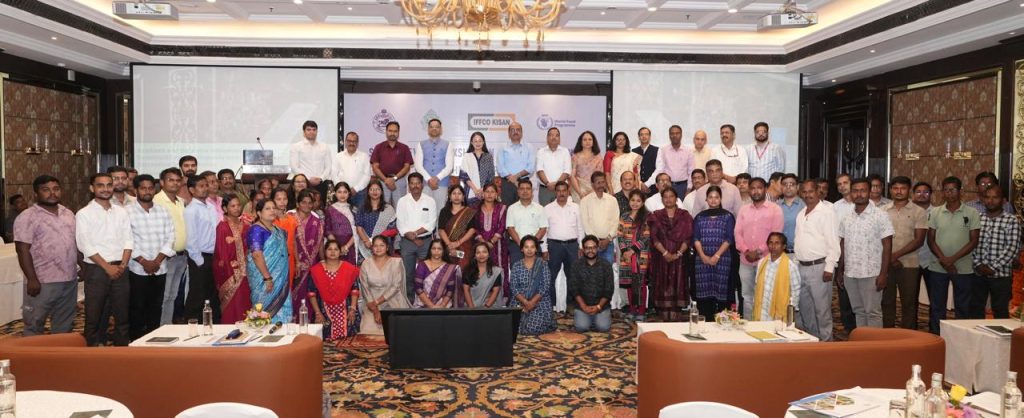
A panel discussion moderated by Ms. Pradnya Paithankar, Head of Climate Change, Resilient Food Systems and DRR at WFP, focused on strategies for mainstreaming these climate-resilient approaches into policy. The panel brought together key experts and leaders, including Sri Subhranshu Mishra, Additional Secretary of the Department of Agriculture and Farmers’ Empowerment; Dr. Manorama Mohanty, Director of the Bhubaneswar Meteorological Centre at IMD; Dr. Rabiratna Dash, Director of Agro-Meteorological Advisory Services at OUAT; Md. Azeez Khan, Chief of Climate Adaptation Planning at the Odisha Climate Change Cell; Dr. Kamal Lochan Mishra, former IAS officer leading disaster integration planning at OSDMA; Sri Prabhakar Naarain, Chief Executive Officer a.i. at IFFCO Kisan Cooperative; and Dr. Gyandip Pandia, Lead Researcher for Climate-Resilient Agriculture at the IRRI Odisha Regional Centre.
The state-level event concluded with closing remarks outlining the strategic way forward delivered by Sri Subhranshu Mishra, Additional Secretary Department of Agriculture and farmers’ Empowerment.