

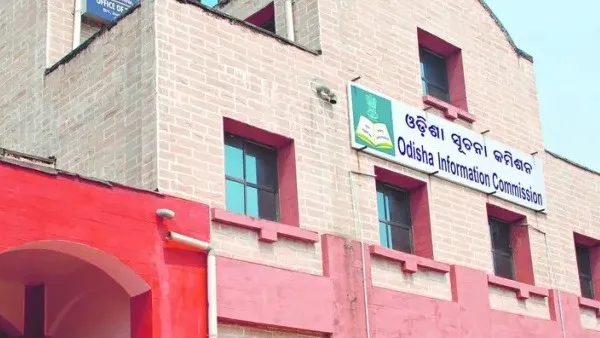
Bhubaneswar: In a significant intervention aimed at preserving the integrity of the Right to Information Act, the Odisha Information Commission (OIC) has formally moved to address systemic abuses involving the extortion of public officials.
The Commission has directed the Director General of Police to initiate a comprehensive criminal enquiry into allegations of bribery and professionalized litigation targeting a habitual RTI applicant identified as Shri Tankadhar Sahu, a resident of Balangir district.
This socio-legal escalation follows the receipt of substantial evidence, including a video clip, which purportedly depicts the applicant demanding illegal gratification from Public Information Officers (PIOs). The evidence suggests a calculated method of operation wherein the applicant leveraged the procedural mechanics of the RTI Act to facilitate personal gain. Scrutiny of official records by the Commission revealed that the individual had filed hundreds of applications across diverse government departments, creating a massive administrative burden that frequently culminated in hearings at the Commission’s headquarters in Bhubaneswar.
The Commission’s internal examination highlighted a troubling pattern of layered causality: the applicant would allegedly camp in the capital city, attend hearings for his numerous cases, and then seek tactical adjournments. These delays were reportedly used as leverage to extract bribes from PIOs and First Appellate Authorities (FAAs) in exchange for the formal withdrawal of his complaints.
Recognizing the gravity of this breach of public trust, a Full Bench of the Commission determined that the matter necessitated a rigorous police investigation. Consequently, the Registrar of the Commission has petitioned the Director General of Police, Odisha, to lead an enquiry supported by the submitted video evidence and related materials. To prevent further procedural exploitation, the Commission has ordered that all pending cases filed by the applicant be stayed until the police investigation is finalized.
Furthermore, the Commission has issued a directive to all PIOs and FAAs across the State to identify and report any other instances where the 2005 Act may have been weaponized for extortionate purposes. This move underscores a moral urgency to shield the transparency framework from being subverted into a tool for criminal intimidation.
By taking this firm stance, the Odisha Information Commission reiterates its commitment to an evidence-based narrative of governance, ensuring that the right to information remains a legitimate instrument for accountability rather than a conduit for corruption.