

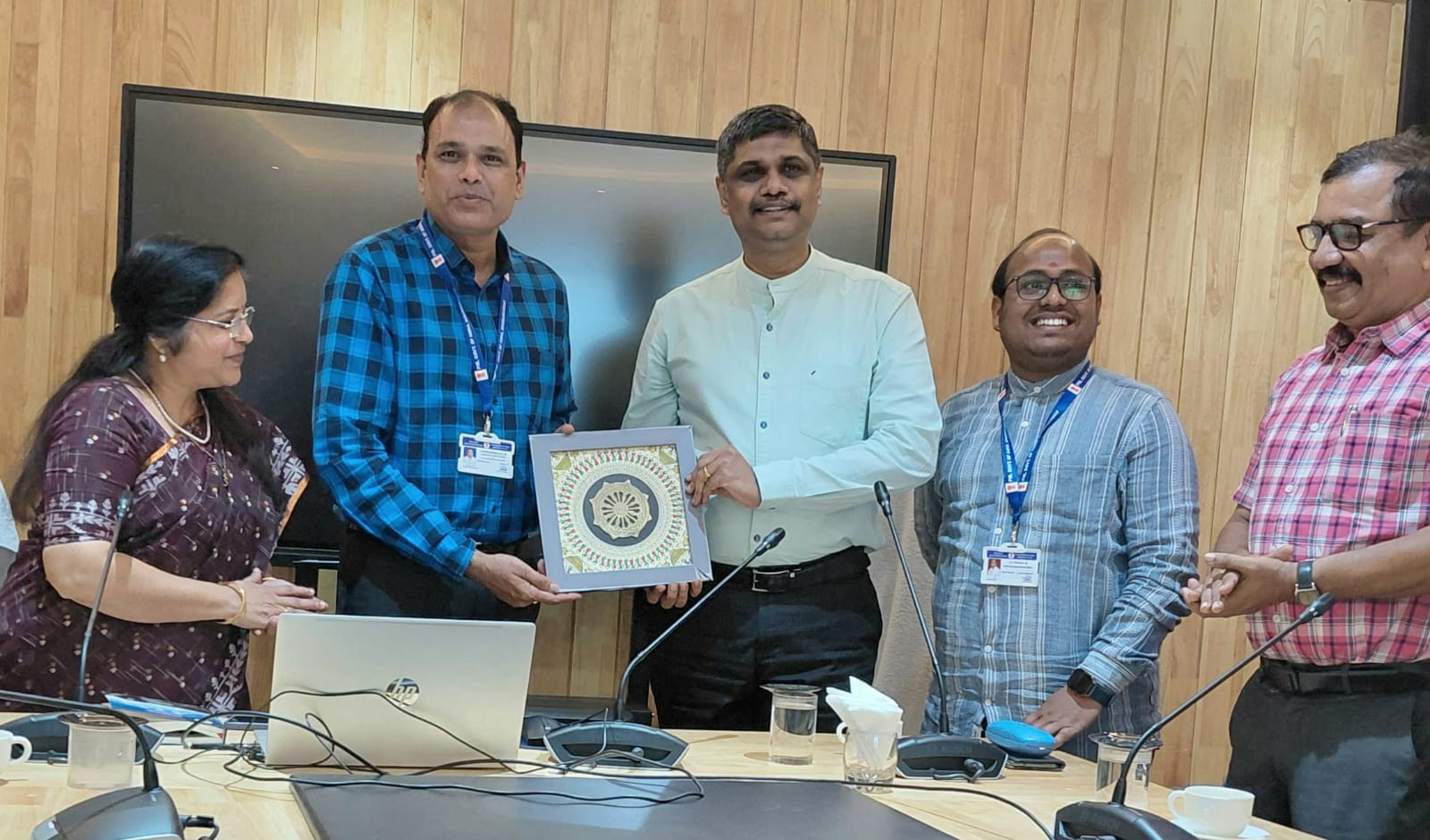
Kottayam: The strategic growth of India’s natural rubber industry and its expanding footprint in Odisha took center stage today as a media delegation from Odisha visited the Rubber Board headquarters in Kottayam. Led by the Press Information Bureau (PIB), Bhubaneswar, the visit aimed to bridge the gap between traditional rubber-producing hubs and emerging cultivation zones, offering journalists a deep dive into the technological and economic drivers of the sector.
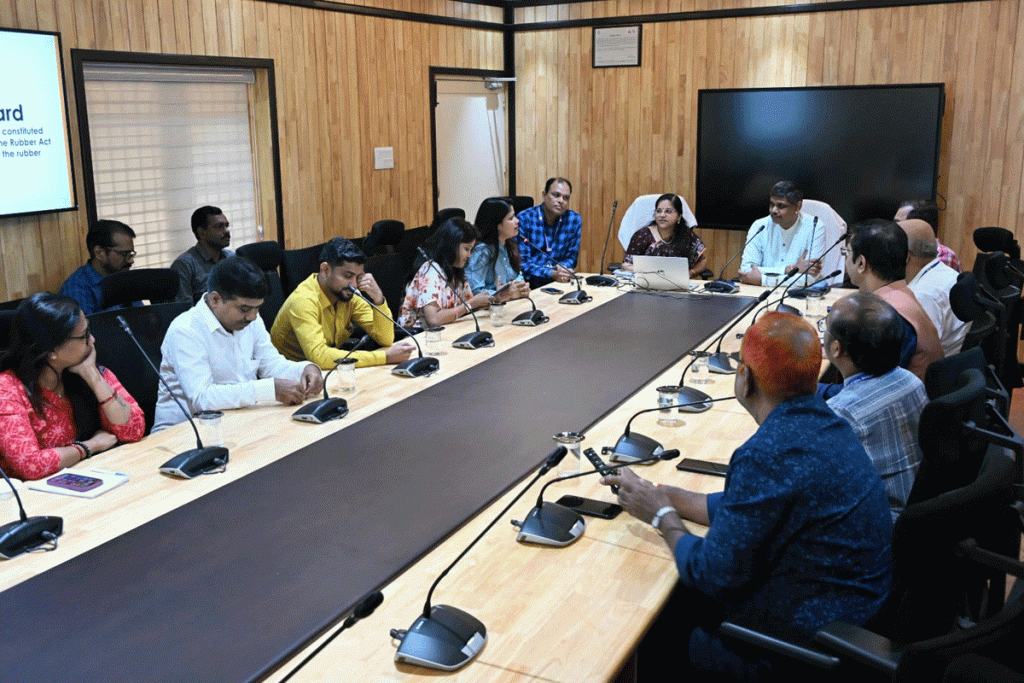
During an interactive session, Executive Director Shri M. Vasanthagesan briefed the delegation on the vital role rubber plays in the national industrial ecosystem. Currently, the tyre industry accounts for over 65 percent of domestic consumption, with the remaining 35 percent fueling sectors such as medical devices, footwear, and consumer goods. The delegation was informed that India’s rubber production reached approximately 8.75 lakh tonnes in 2024-25, supported by a cultivation area spanning 9.39 lakh hectares.
The Rubber Board is currently prioritizing modernization through cutting-edge technology. Officials showcased the implementation of drone-based spray systems for plantation management and the adoption of nano-oil applications designed to boost productivity while maintaining environmental sustainability. These innovations are part of a broader effort to manage a sector where downstream exports of rubber products have already surged past 43,000 crore rupees.
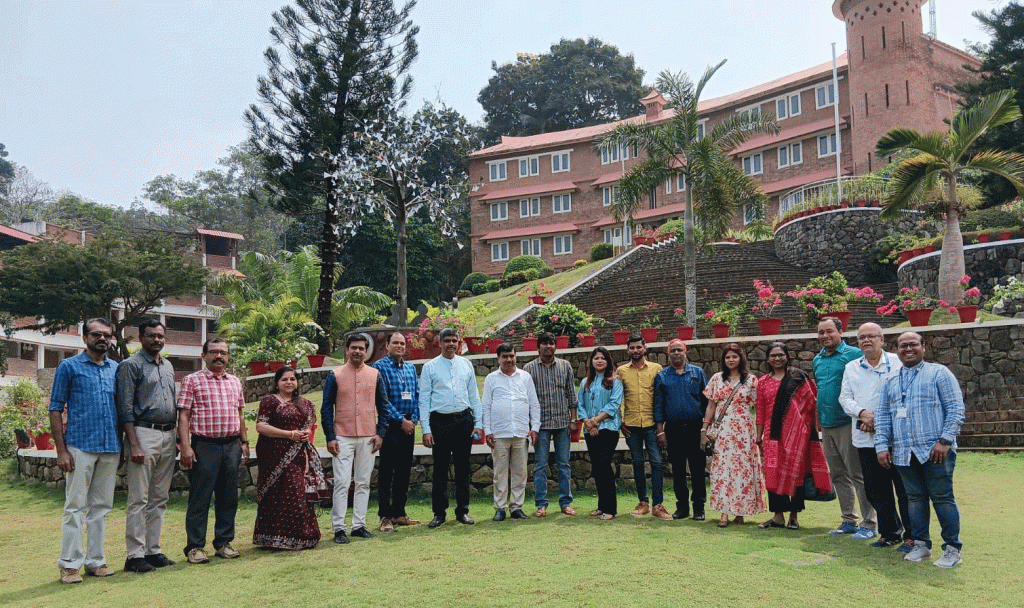
A significant portion of the discussion focused on the socio-economic impact within Odisha. As a non-traditional rubber-growing region, Odisha is seeing increased intervention from the Rubber Board through extension services and specialized training programs. Officials emphasized that these initiatives are particularly transformative for tribal and rural communities in Odisha, providing new avenues for employment and livelihood generation. By integrating these communities into the national rubber value chain, the board aims to foster regional development alongside industrial growth.
The visit concluded with a focus on how these Kerala-based models of cultivation and processing can be further adapted to strengthen Odisha’s emerging rubber plantations.