

Bhubaneswar: Amidst the clamour and controversy surrounding the recent substantial hike in the allowance of sitting MLAs and pension for former MLAs in Odisha, two contrasting examples of financial probity and selflessness have come to the fore, highlighting a deep divide in how public servants view their financial entitlements.
The State Assembly’s decision to increase former MLAs’ pension from Rs.30,000 to Rs.80,000 per month, along with corresponding increases in medical and travel allowances, has met with public outrage. This move means a former MLA with 20 years of service could now draw over Rs.1,62,000 monthly. While most political representatives have remained silent, history provides a stark counterpoint to this trend in the form of the idealist political couple, Jayakrishna Mohanty and Kiranlekha Mohanty.
Jayakrishna Mohanty, a senior Congress leader and freedom fighter who served as an MLA from 1946 to 1957, was actually performing the duties of the Chief Minister when the Salary and Allowances Act for members of the Odisha Assembly was implemented in 1954 under Chief Minister Nabakrishna Chowdhury. Throughout his political career, Jayakrishna Mohanty reportedly donated his MLA earnings to the Congress party, subsisting on minimal support for his family. His wife, Kiranlekha Mohanty, an esteemed social worker and freedom fighter who was later elected as a Janata Party MLA from Pipili in 1977, shared his austere lifestyle. The couple were known to travel to their constituencies and even the Assembly session by bus, train, rickshaw, or bicycle, rejecting private vehicles.
Decades ago, when the law to provide a pension to former MLAs was introduced, the Mohantys openly opposed the decision in the media and public meetings. Their descendants confirm that despite negotiations and urging from officials and former colleagues, the couple flatly refused to accept the MLA pension throughout their lives, setting an uncompromising standard of service over self-interest.
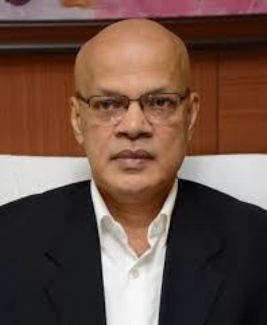
Adding a modern-day echo to this narrative of self-denial is the extraordinary action of a former top bureaucrat. Shri Gagan Kumar Dhal, a distinguished 1985-batch Indian Administrative Service (IAS) officer, has not only chosen to forego his lifelong post-retirement pension but has also taken the unprecedented step of donating the entire accumulated pension amount back to the State Exchequer. Shri Dhal, who held various high-profile roles before taking voluntary retirement as Chairman of the Odisha Forest Development Corporation (OFDC), has thus set a rare example of fiscal responsibility.
The actions of the Mohanty Couple in the past and the recent move by former IAS officer Shri Dhal serve as a powerful moral beacon, directly challenging the prevailing political ethos that prioritizes financial entitlement. Their respective decisions to reject lifetime financial comfort underscore a profound commitment to austerity and public interest, raising critical questions about the ethical use of state resources amidst widespread public discontent over the current legislative remuneration hikes.