

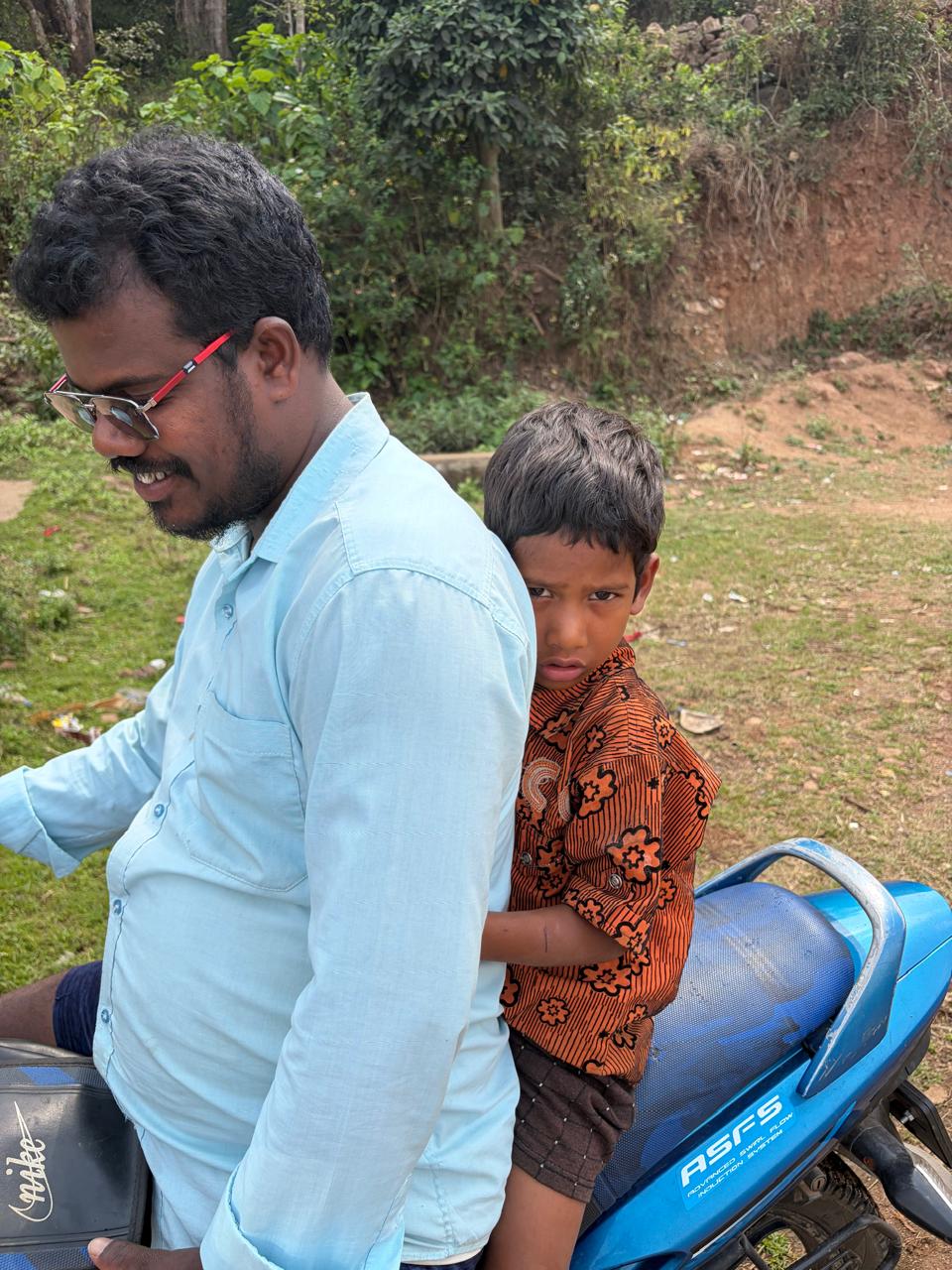
Koraput: The border conflict in the Kotia panchayat is no longer just a legal dispute over land but a complex tug-of-war for the hearts and minds of people like Pilku Tadingi. In the village of Upper Sembi, the quiet halls of the government primary school tell a troubling story.
While thirty-five children are officially enrolled, the teacher, Surendra Pangi, waits in a classroom that has remained empty for over a month. This school strike is not a sign of a lack of interest in education, but a calculated protest.
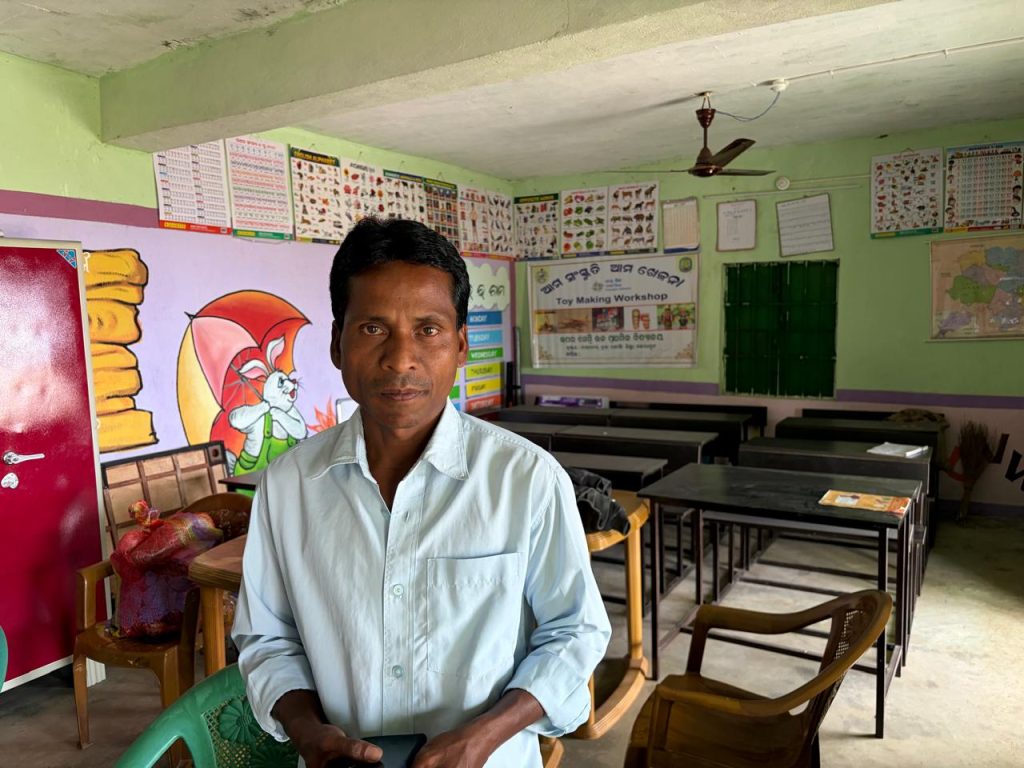
When the Odisha government blocked Andhra Pradesh from constructing a health center in the village, the community responded by withdrawing their children from both the school and the Anganwadi center.
This standoff highlights the primary challenge facing the administration: the villagers have learned to use their unique position between two states as a form of leverage.
The situation is a study in contrasting governance styles. On one hand, the Odisha government is playing the long game by focusing on massive infrastructure.
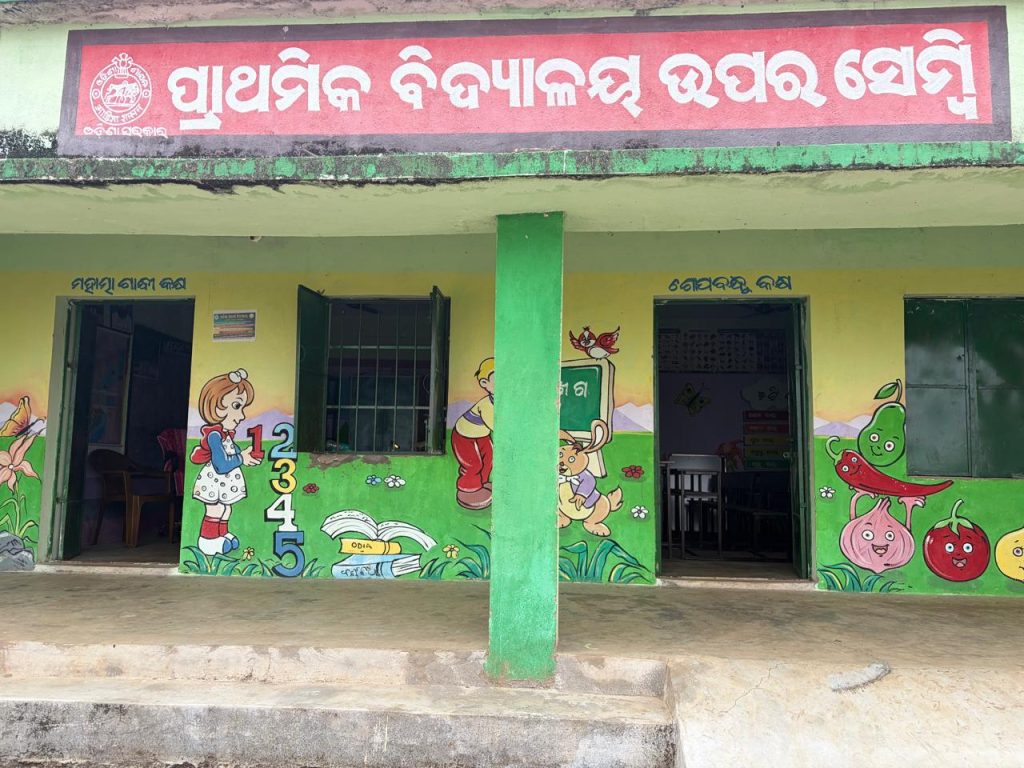
High-ranking officials like District Collector Shri Manoj Satwan Mahajan are frequent visitors, bringing more infrastructure projects like the OPTCL power station, better road connectivity, and proividing more seats for Kotia students in specialized Adarsha Vidyalayas. Odisha is building for the future, attempting to integrate these remote hilltop hamlets into the state’s broader developmental framework. However, infrastructure is static and impersonal.
On the other hand, Andhra Pradesh has adopted a person-to-person micro-management strategy that offers immediate, tangible gratification. In Turiapadar, residents like Jumbera point to the stark difference in social security: while Odisha provides a pension of 1,000 rupees, Andhra Pradesh woos the elderly with 4,000 rupees a month. For a family living on the margins, that 3,000-rupee gap is more than just a statistic; it is the difference between basic survival and relative comfort.
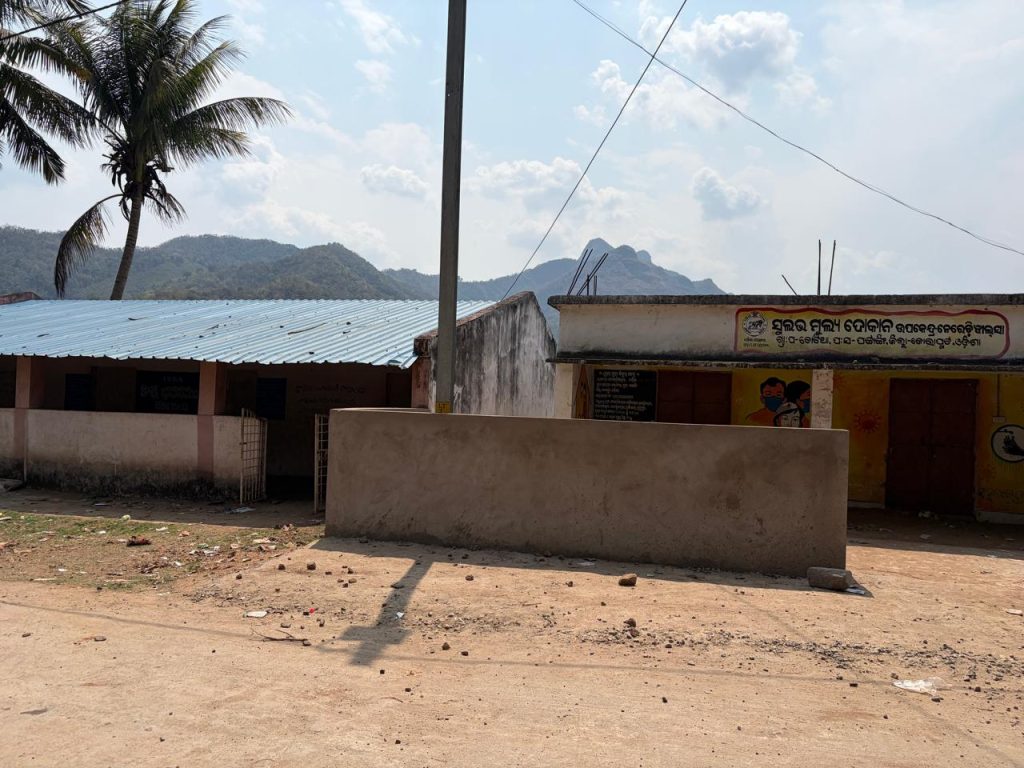
This dual patronage has created a unique, albeit precarious, lifestyle for the residents. In Neredivalsa, the Public Distribution System centers of both states sit side-by-side. Villagers hold two sets of voter IDs and two sets of ration cards, collecting rice and kerosene from both governments. This “double dipping” extends to the local economy. While some take their bananas to the Kunduli market in Odisha, others trek to Salur in Andhra Pradesh to sell tamarind. The economic logic is simple: Salur offers a better price for de-seeded tamarind, fetching up to 60 rupees a kilo. As long as Andhra Pradesh provides higher cash incentives and better market prices for forest produce, the loyalty of the Kotia people will remain divided.
To resolve this, Odisha must pivot from a purely infrastructure-led approach to one that matches the “doorstep delivery” model of its neighbor. The government needs to bridge the “empathy gap” by addressing the immediate liquidity needs of the households. If the pension disparity remains this wide, the most beautiful roads in the world will still lead the villagers toward the state that pays them more. Establishing a specialized Kotia Economic Zone could allow the state to offer higher procurement prices for forest produce like tamarind and turmeric, ensuring that villagers don’t feel the need to cross the border for a better deal.
Education and healthcare also require a more localized touch. Rather than just building large schools, the administration should recruit “Education Volunteers” from within the local tribal youth who speak the local dialect, similar to how villagers are currently waiting for Andhra teachers. This would neutralize the influence of youth groups currently blocking school attendance. Furthermore, mobile health units should be stationed permanently in villages like Upper Sembi to provide the immediate care that was lost when the AP health center was blocked.
Ultimately, the battle for Kotia will be won not in the courts or through the laying of foundation stones, but at the kitchen tables of families like the Tadingis. The Odisha government must ensure that being an Odia citizen is not just a matter of administrative record, but a more lucrative and supportive reality than the alternative. By combining its superior infrastructure with competitive social security and localized market support, Odisha can turn the tide of dual patronage into a singular, stable loyalty.