

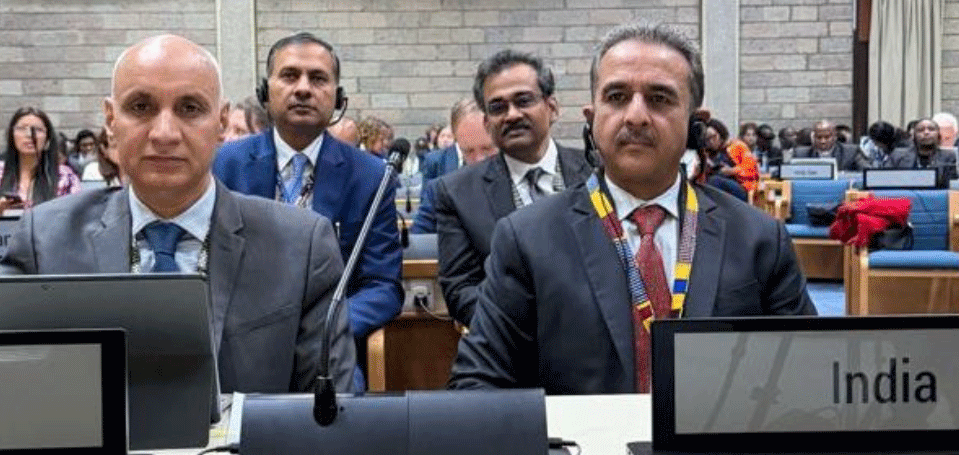
Nairobi, Kenya: India today reaffirmed its dedication to a people-centric, equitable approach to global environmental action, with Union Minister of State for Environment, Forest, and Climate Change, Shri Kirti Vardhan Singh, delivering the National Statement at the High-Level Segment of the 7th Session of the United Nations Environment Assembly (UNEA-7) in Nairobi, Kenya.
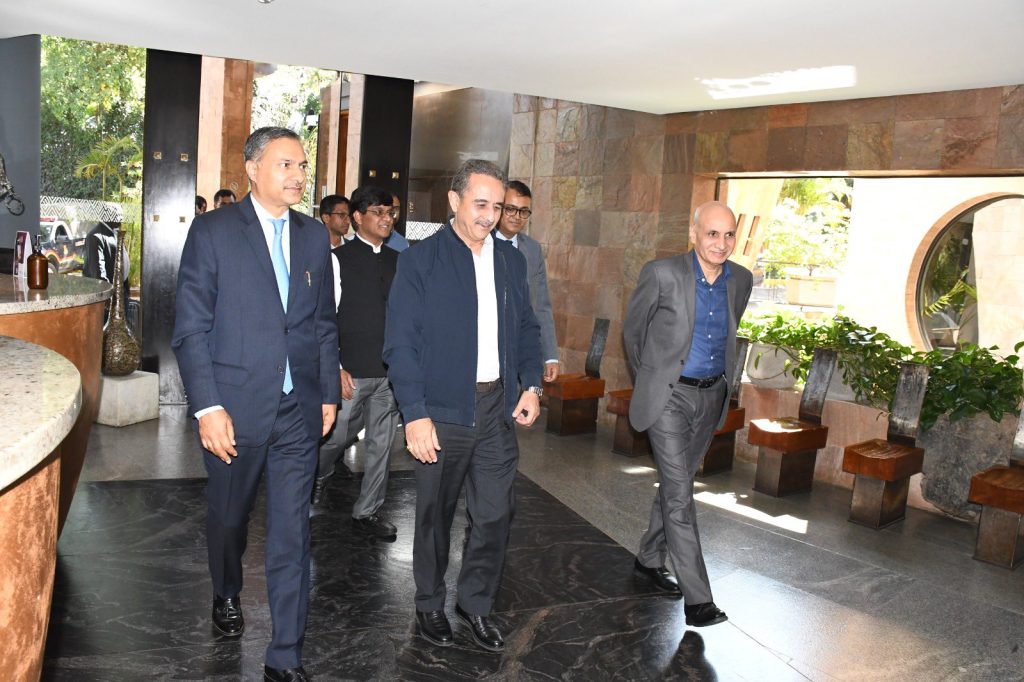
The Minister, who was joined by Additional Secretary MoEF&CC, Shri Vir Vikram Yadav, and other senior officers, underscored that sustainable growth and environment-first policies are essential for securing the future of our planet. He noted that the theme of UNEA-7, “Advancing Sustainable Solutions for a Resilient Planet,” aligns perfectly with India’s long-standing commitment to living in harmony with nature and pursuing inclusive, climate-resilient development.
India’s statement emphasized the conviction that environmental solutions must remain centered on people, with global action guided by the principles of Equity, Common but Differentiated Responsibilities and Respective Capabilities (CBDR-RC), and respect for National Circumstances. Shri Singh stated that these foundational principles are key to enabling ambition, fostering trust, and strengthening multilateral cooperation among member states.
Highlighting India’s strong domestic achievements under the leadership of Prime Minister Shri Narendra Modi, the Minister pointed out that India has already achieved 50% non-fossil installed electricity capacity, significantly ahead of its targets. He cited flagship initiatives such as the lifestyle movement Mission LiFE (Lifestyle for Environment) which promotes mindful consumption, and the ‘Ek Ped Maa Ke Naam’ campaign, under which more than 2.6 billion saplings have been planted to restore degraded landscapes. The progress in resource efficiency through circular-economy measures and Extended Producer Responsibility (EPR) for plastics, batteries, e-waste, and end-of-life vehicles was also featured. River rejuvenation efforts like the Namami Gange program were presented as successful examples of science-based and community-driven approaches.
Addressing the challenges of implementation for developing nations, Shri Singh strongly articulated that greater ambition must be matched by adequate international support. He stressed that accessible finance, technology transfer, and capacity-building remain essential enablers of effective implementation. He called for UNEA outcomes to complement existing multilateral environmental agreements, keep reporting requirements manageable, and remain practical for all member states.
Internationally, India’s commitment to collective action was demonstrated by its role in fostering global partnerships like the International Solar Alliance (ISA), the Global Biofuels Alliance, the Coalition for Disaster Resilient Infrastructure (CDRI), and the International Big Cat Alliance (IBCA). The Minister also announced that India has piloted a resolution on ‘integrated fire management’ to address the growing threat of wildfires.

The Minister concluded by reaffirming India’s firm commitment to driving solutions that balance ecology and economy for the well-being of current and future generations, stressing that India views environmental action as a pathway to dignity, opportunity, and well-being, not merely a policy imperative.