


Bhubaneswar: The cultural landscape of Capital City witnessed a profound convergence of systemic legacy and moral urgency as the Kelucharan Kirti Shatakam commenced at Rabindra Mandap.
Organized to commemorate the birth centenary of the legendary Padma Vibhushan Guru Kelucharan Mohapatra, the three-day symposium and performance series serves as a vital synthesis of historical preservation and the ongoing evolution of Odissi dance.
Running from January 8 to 10, the event is a collaborative endeavor by the Department of Odia Language, Literature and Culture, the Guru Kelucharan Mohapatra Odissi Research Centre, and Srjan.
Dr.Bijaya Ketan Upadhyaya, Secretary Odia Language, Literature and Culture presented warm welcome to Minister and legendary artists in a graceful manner.
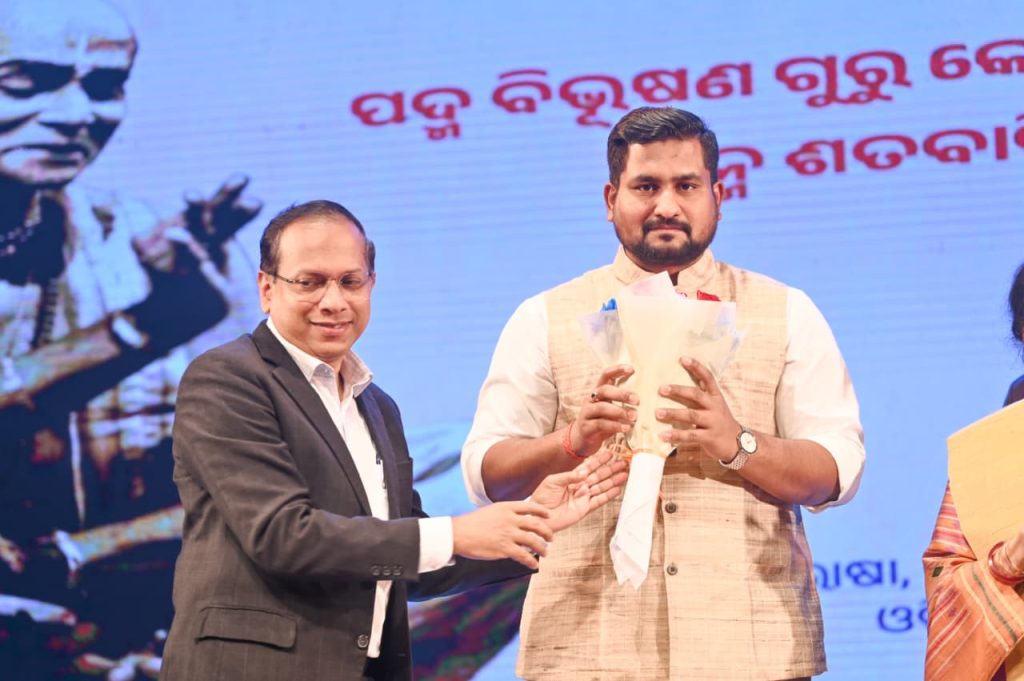
Minister of Culture, Shri Suryabanshi Suraj, inaugurated the proceedings by unveiling a photographic exhibition documenting the maestro’s life. His address highlighted the socio-legal and cultural labor required to revive Odissi in the early 20th century, framing Guru Kelucharan as the architect of its global legitimacy.
The Minister emphasized that the Guru’s contributions are not merely historical footnotes but form the essential infrastructure upon which the international identity of Odissi rests.
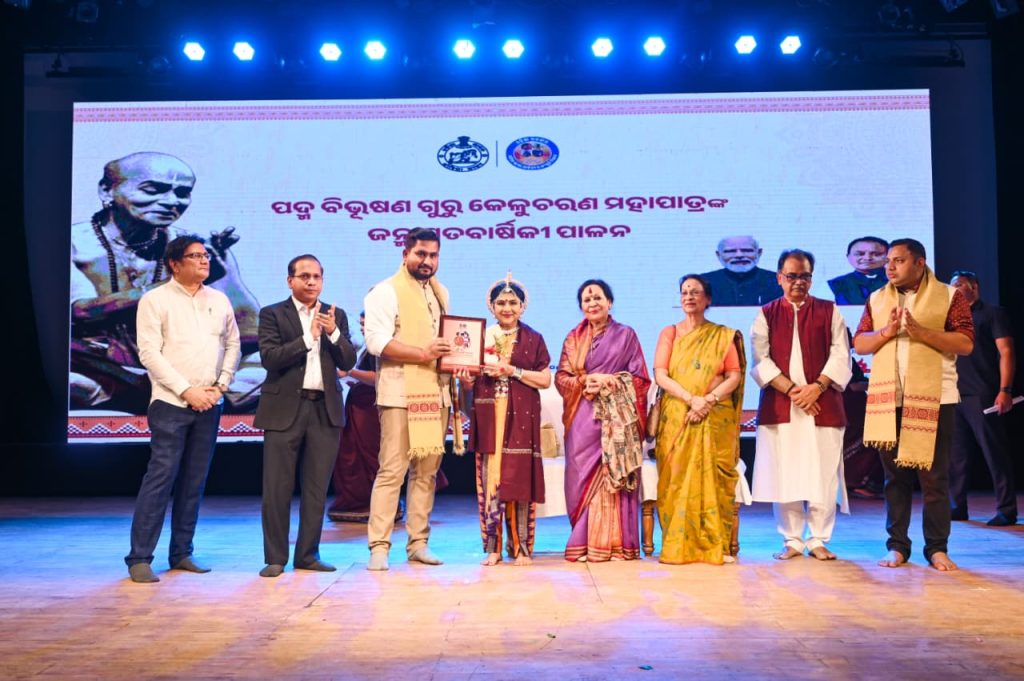
Echoing this sentiment of layered causality between the teacher and the form, Padma Vibhushan Dr. Sonal Mansingh remarked that Guru Kelucharan and Odissi are essentially inseparable.
She articulated that his legacy transcends the repertoire he created; it lives through the generation of practitioners he meticulously shaped. The presence of his disciples at the event underscored a living lineage committed to maintaining the precision and sanctity of the tradition.
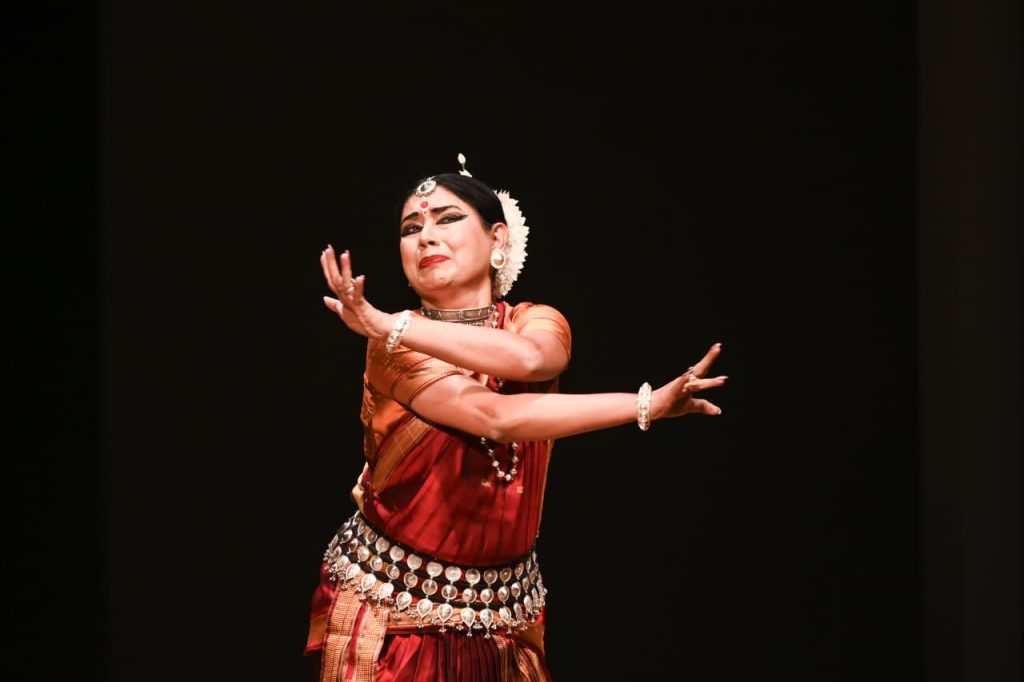
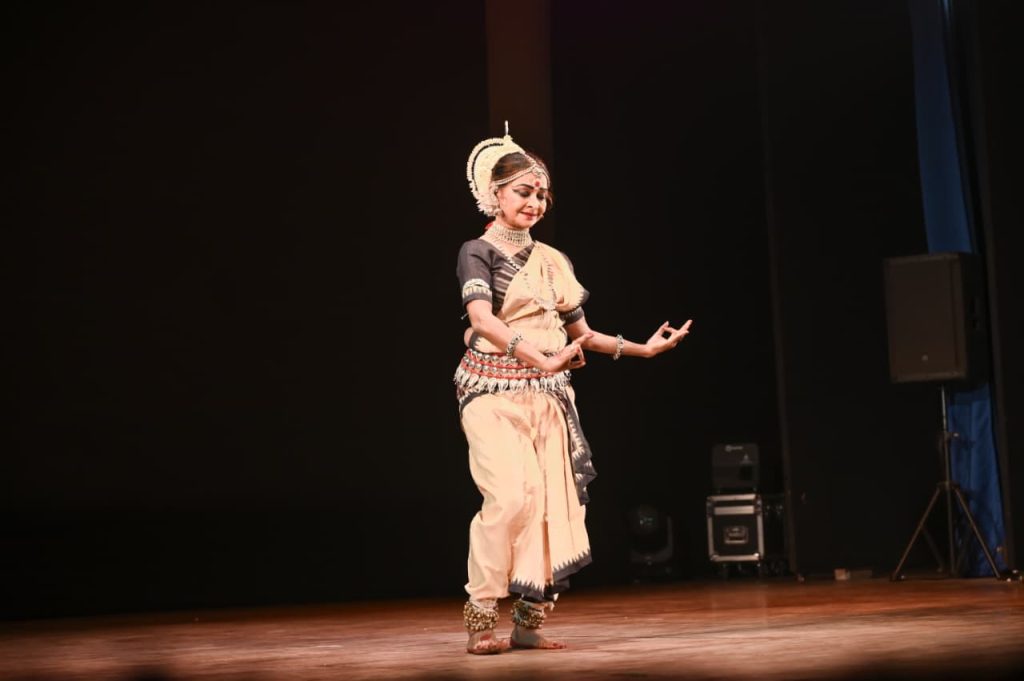
The inaugural evening, titled Odissi Sandhya, featured an evidence-based display of the Guru’s stylistic nuances. The dancers of Srjan opened with a group presentation of Vande Mataram, a systemic tribute to the motherland. This was followed by a series of evocative solo performances by stalwarts and senior disciples, including Kumkum Mohanty, Kumkum Lal, Madhavi Mudgal, Ileana Citaristi, Aruna Mohanty, Meera Jena, Daksha Mashruwala, Aloka Kanungo, and Swapnokalpa Dasgupta.
Each performance served as a testament to the diverse emotional and technical dimensions—from the intricate Shankarabharana Pallavi to the narrative depth of Ashwatthama—codified by the Guru.
The event was attended by high-level administrative representatives, including Dr. Bijay Ketan Upadhyaya, Secretary of the Culture Department, and Shri Deba Prasad Dash, Special Secretary.
Their presence, alongside Guru Ratikant Mohapatra and Padma Shri Dr. Priyambada Mohanty Hejmadi, reinforced the structural importance of institutional support in sustaining classical arts.
As the centenary celebrations continue, the program remains a critical focal point for reflecting on the systemic transformation of Odissi from a temple ritual to a globally recognized classical discipline.
Entire program was handled in a flawless manner and footfall in Rabindra Mandap was tremendous, thanks to sincere efforts by Team Culture, led by Secretary Odia Language, Literature and Culture, Dr.Bijaya Ketan Upadhyaya, who took personal care to see the arrangements as “Foolproof”.