

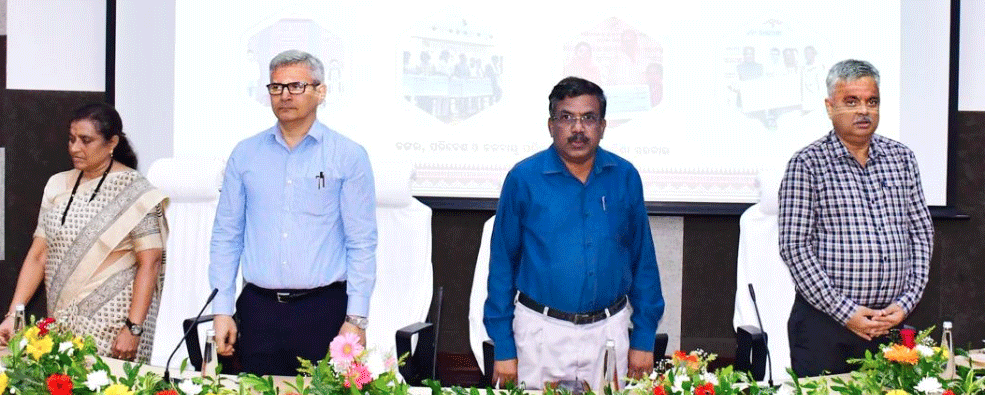
Bhuabneswar: Kendu leaf, often hailed as the green gold of Odisha, took center stage at the Chintan Shibira 2026 organized at Aranya Bhawan in Bhubaneswar. This crucial gathering was designed to review recent achievements and map out forward-looking strategies for an industry that serves as a financial lifeline for the state’s rural economy.
The program was held under the chairmanship of Shri Bhaskar Jyoti Sarma, Principal Secretary, Forest, Environment and Climate Change, Dr. K. Murugesan, PCCF and HOFF, Odisha graced the occasion. Smt. Uma Nanduri, PCCF, Kendu Leaf and Shri Prem Kumar Jha, PCCF, Wildlife was also present.
Principal Secretary Shri Sarma highlighted the immense potential for generating new employment opportunities in the state through the introduction of various projects in the future. He emphasized the need for large-scale training and skill development initiatives to enhance the effectiveness of Kendu Leaf operations and create sustainable livelihood opportunities for forest-dependent communities.
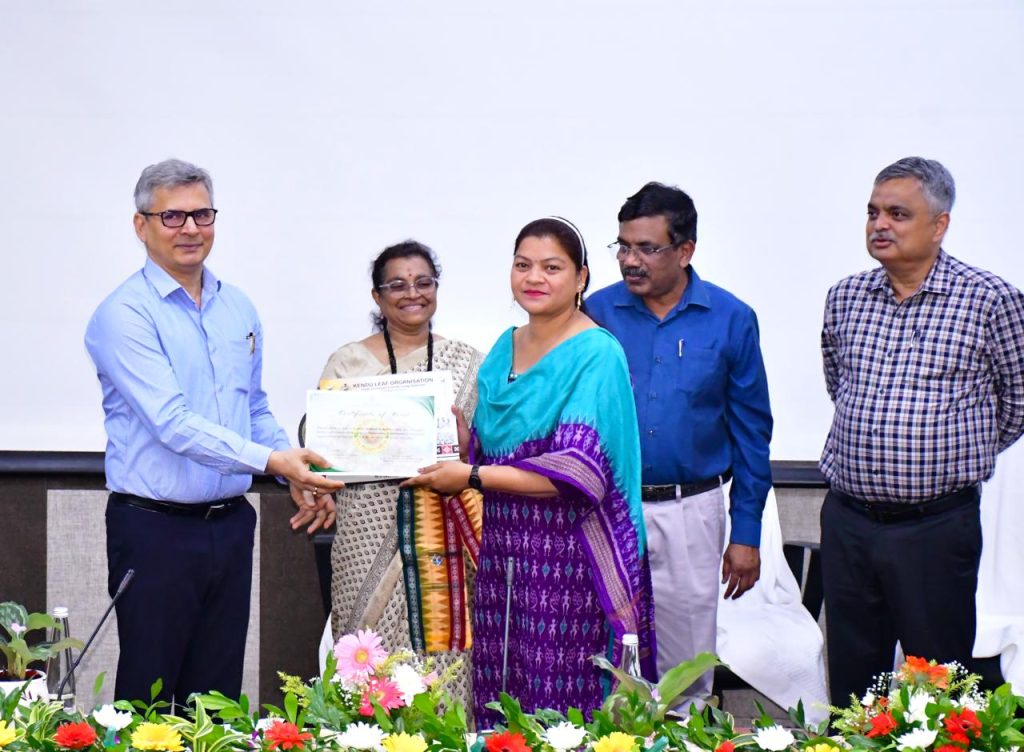
PCCF & HOFF Dr. Murugesan focused his address on motivating the field staff to strive for excellence as they head into the upcoming collection season. He specifically urged the team to concentrate on simultaneously improving both the quality and quantity of production. By doing so, Dr. Murugesan highlighted a direct link between operational excellence and social responsibility: higher production quality and quantity drive increased state revenue, which the government directly channels back into strengthening welfare measures for the primary collectors and forest-dependent communities.
The emphasis placed on this sector by Dr. Murugesan and the department underscores the profound importance of kendu leaf operations across Odisha. As one of the most significant non-timber forest products available, it plays a massive socio-economic role by generating extensive employment opportunities and providing crucial livelihood support to millions of tribal and rural poor living near forest fringes.
The structured operations not only drive rural development in historically economically challenged zones but also fund comprehensive welfare programs that safeguard the financial stability of these marginalized beneficiaries. Through the insights shared by Dr. Murugesan and fellow administrators, the Chintan Shibira reinforced that optimizing this single forest resource is vital for sustainable rural livelihood and environmental co-management in Odisha.
The Chintan Shibira witnessed the participation of senior officers of the Forest Department, including Divisional Forest Officers, Assistant Conservators of Forests, Range Officers, and other officials of the Kendu Leaf Wing, who deliberated on strategies for enhancing operational efficiency, productivity, and beneficiary welfare.