

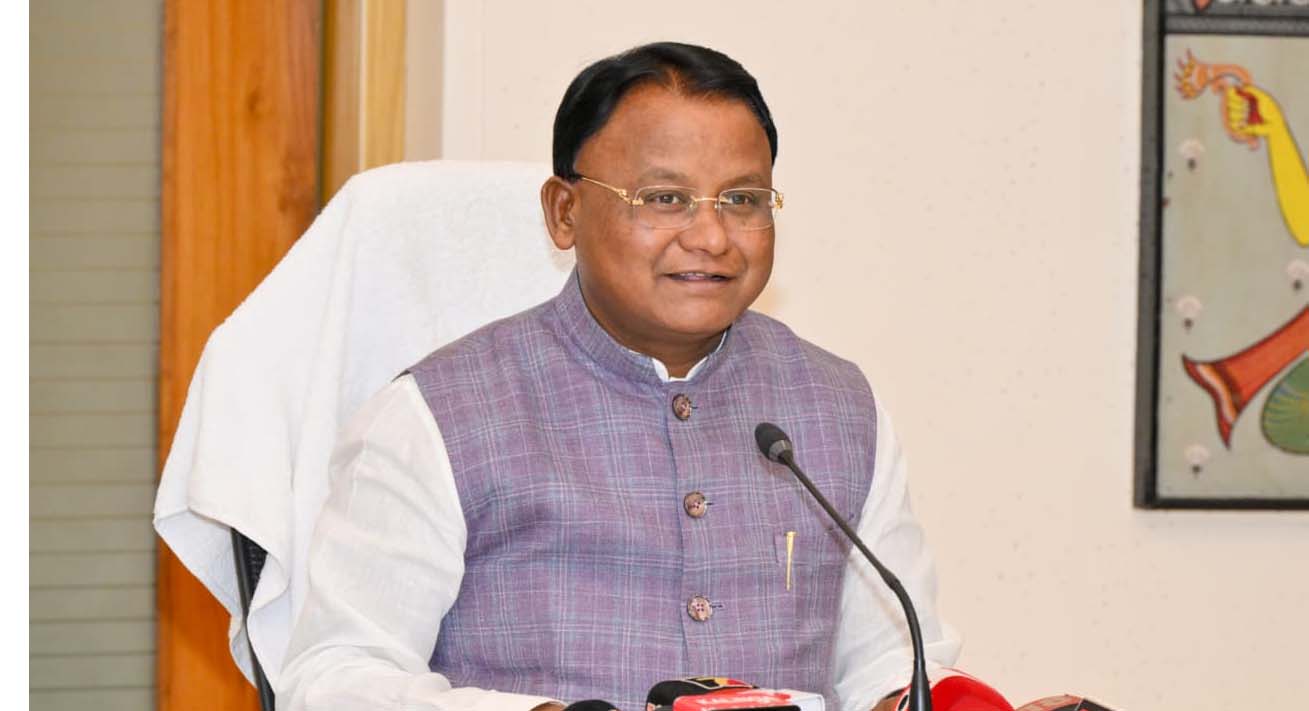
Bhubaneswar: Odisha Cabinet, chaired by Chief Minister Shri Mohan Charan Majhi, has approved a significant initiative to bolster food security across the state. For the 2026-27 financial year, the government has introduced the Mukhya Mantri Annapurna Yojana (MAPY), a new scheme designed to provide additional rice to beneficiaries currently covered under the National Food Security Act (NFSA) and the State Food Security Scheme (SFSS).
Under this new scheme, all eligible households integrated into the Targeted Public Distribution System will receive an additional 5 kg of rice per person each month. This quota is over and above their existing monthly entitlements and will be distributed entirely free of cost. The decision aims to ensure that no individual in the state faces nutritional insecurity and that every family has access to an adequate supply of food grains based on their needs.
The scale of the initiative is vast, covering millions of residents across the state. Currently, the NFSA supports approximately 3.22 crore members from 97.97 lakh families, while the SFSS provides for over 5.62 lakh members from 2.98 lakh families. Combined, the Mukhya Mantri Annapurna Yojana will extend its benefits to a total of 3.28 crore beneficiaries belonging to over 1 crore families.
To sustain this massive distribution network, the state expects to distribute an average of 1.64 lakh metric tonnes of rice every month, totaling approximately 19.71 lakh metric tonnes annually. The financial implications are equally substantial, with the Cabinet approving an estimated monthly expenditure of 734 crore rupees. This brings the total annual budgetary allocation for the 2026-27 financial year to 8,813 crore rupees.
By integrating this additional support with existing federal and state frameworks, the Odisha government seeks to create a comprehensive and robust food security net. This move is expected to significantly reduce the financial burden on vulnerable populations while ensuring long-term food stability throughout the state.