

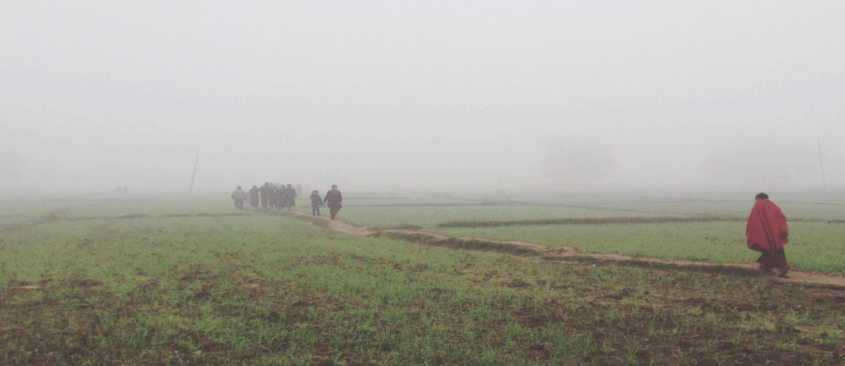
Bhubaneswar: Weather conditions across Odisha are currently transitioning as a fresh spell of cold wave conditions persists in the interior districts while coastal areas experience a gradual rise in night temperatures.
As of January 19, 2026, the state is observing sunny daytime conditions with a temperature of 24°C and an east wind flowing at 4 mph. While the maximum temperature is expected to reach 28°C today, the minimum is forecasted to drop to 15°C tonight.
Interior regions like Phulbani and Rourkela are facing much harsher conditions with temperatures as low as 6°C to 7°C. Dense fog remains a significant factor in coastal and southern districts, including Cuttack, Bhubaneswar, and Kandhamal, where visibility has frequently dropped below 50 meters during early morning hours.
The impact on people has been notable, particularly regarding travel and daily routines. Dense fog has caused disruptions to flight operations and rail communication, while commuters are advised to exercise extreme caution during early morning hours.
In the twin cities of Bhubaneswar and Cuttack, the combination of cold weather and poor air dispersion has led to a surge in the Air Quality Index, which has recently fluctuated in the poor to very poor category. This deterioration in air quality, combined with the lingering chill, has increased the risk of respiratory issues and other climate-sensitive illnesses among the general population.
In the agricultural sector, the prevailing low temperatures and lack of rainfall are influencing crop management strategies for the Rabi season. Farmers are being advised to use mulching materials like straw for vegetable seedlings to prevent cold injury. There is also an increased risk of sucking pests and powdery mildew infestation in crops due to the current weather patterns.
For livestock, the drop in mercury necessitates the use of heaters or electric bulbs in poultry sheds to maintain adequate warmth. Health-wise, the state is monitoring the emergence of infectious diseases sensitive to shifts in weather, with authorities emphasizing the need for public health resilience against these seasonal extremes.