

Bhubaneswar: The State Cabinet has formally approved the Odisha Tourism Amendment Policy 2026. This legislative reform is designed to align the regional tourism sector with the State’s Vision 2036 and 2047 frameworks, addressing systemic gaps in investment competitiveness and regional development.
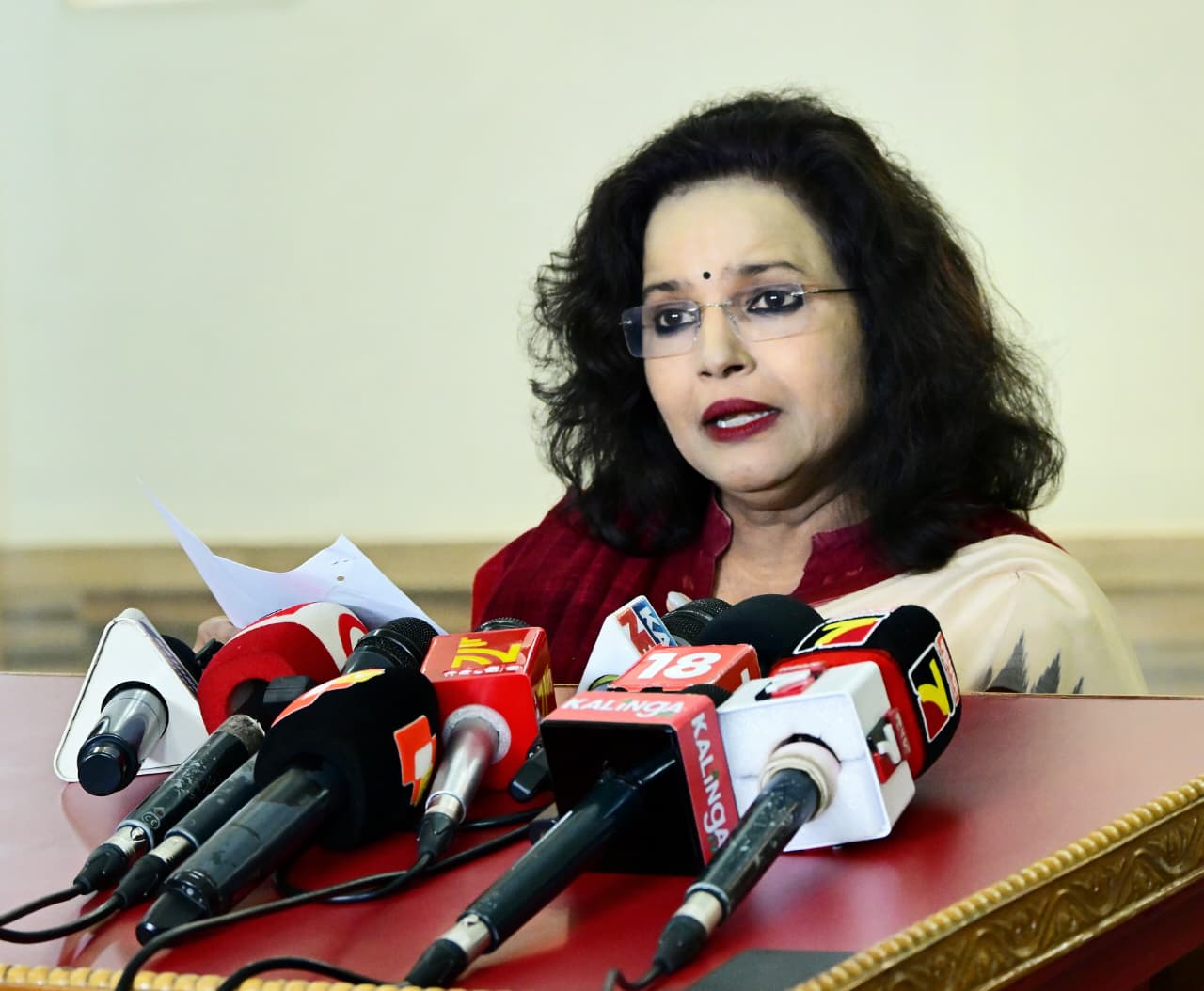
Chief Secretary Shrimati Anu Garg briefed Media after the Cabinet Meet chaired by Chief Minister Shri Mohan Charan Majhi here on 9 January. By amending the previous 2022 policy, the government aims to catalyze private sector participation through a restructured fiscal incentive framework and rationalized operational norms.
A significant adjustment involves the reduction of entry barriers for high-end hospitality projects. The minimum investment threshold for hotels and resorts rated 3-star and above has been lowered from 50 keys to 10 keys. This shift is intended to improve the ease of doing business and attract a more diverse range of investors. Furthermore, expansion norms for existing units have been liberalized, with the eligibility threshold for capacity increases reduced from 50% to 25% of current volume.
The Capital Investment Subsidy (CIS) framework has been streamlined into a two-tier system. Standard tourism projects are now eligible for a 30% subsidy, with a cap of 50 crore rupees for investments up to 200 crore rupees, and 100 crore rupees for those exceeding that amount. Enhanced support is directed toward Special Zones and specific entrepreneurial groups, including women, Scheduled Castes, Scheduled Tribes, and differently-abled individuals. These priority categories are eligible for a 40% subsidy, capped at 60 crore rupees or 120 crore rupees depending on the investment scale.
The policy also expands the geographical scope of Special Zones to include high-potential destinations such as Hirakud, Satkosia, Similipal, Bhitarkanika, and the Gandhamardhan hills of Bolangir and Bargarh. These additions join existing zones like Chilika and the KBK region. Sector-specific subsidies have been introduced for emerging segments: museums and heritage properties may receive up to 40% capital support, while electric boats, caravans, and art-themed complexes are eligible for up to 50%.
Culinary tourism and global visibility form a core pillar of this amendment. A dedicated support framework for authentic Odia cuisine has been established, targeting restaurants within Odisha and in ten major national hubs, including Mumbai, Delhi, and Jaipur. To ensure institutional oversight, a State Tourism Advisory Council will be established under the chairpersonship of the Minister of Tourism. The state anticipates these measures will facilitate the creation of 15,000 star-category hotel rooms by 2036 and generate substantial employment opportunities. The policy becomes effective upon its publication in the Official Gazette.