

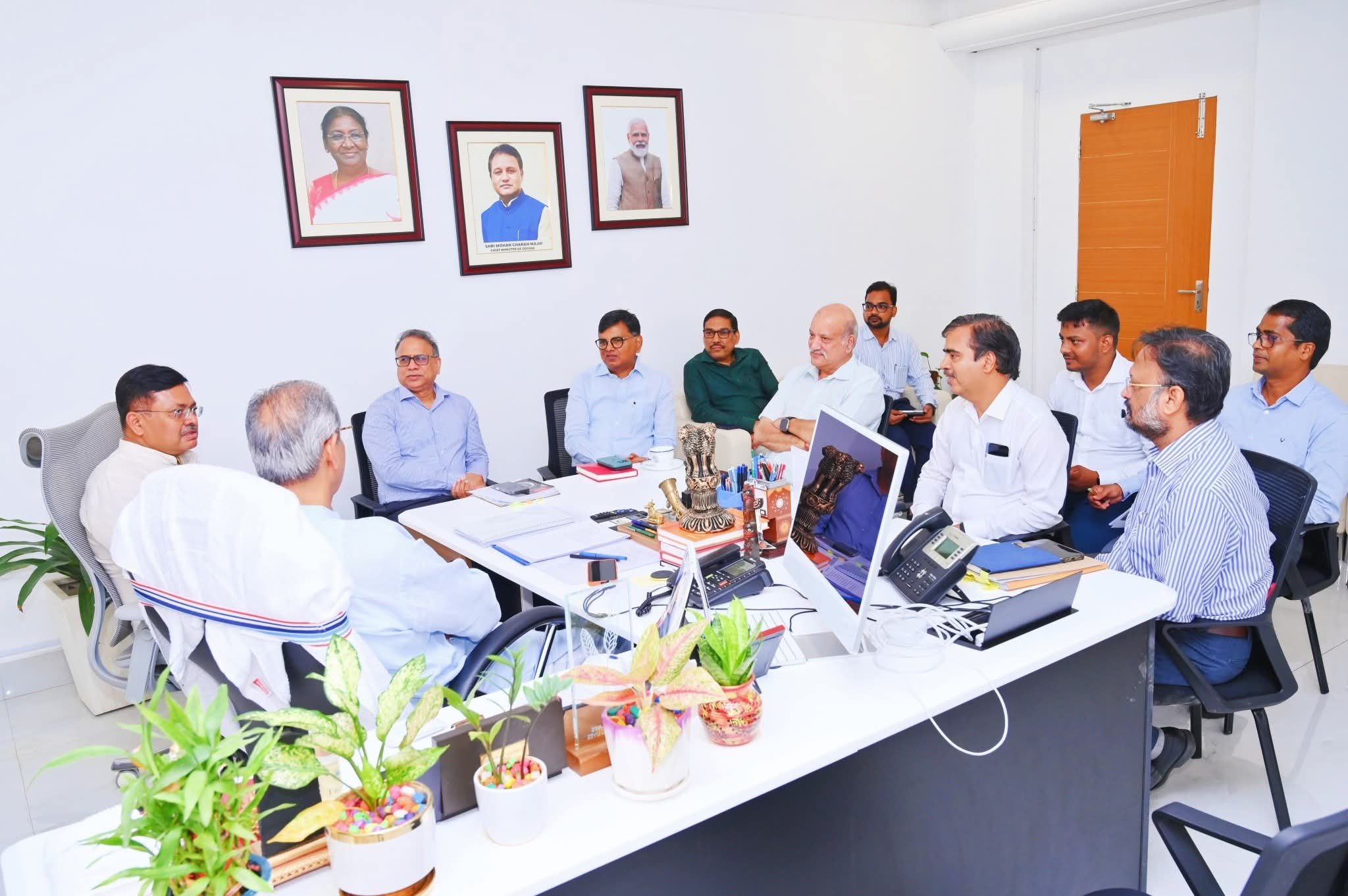
Bhubaneswar: Odisha Government moves to promote the widespread use of energy-efficient electrical appliances in public buildings across the state, following a high-level review meeting chaired by Deputy Chief Minister Kanak Vardhan Singh Deo at his Lok Seva Bhavan office chamber. Minister Works, Law and Excise, Shri Prithiviraj Harichandan attended the meeting.
The meeting was also attended by Maharaja of Mayurbhanj Shri Praveen Chandra Bhanj Deo, Additional Chief Secretary, Energy and E&IT Department Shri Vishal Dev, and Principal Secretary, Works Department Shri Sanjay Kumar Singh, along with other senior departmental officers.
During the discussions, Deputy Chief Minister Shri Kanak Vardhan Singh Deo highlighted that government offices must set an example for the entire state, noting that prioritizing energy conservation today will secure long-term fiscal efficiency and environmental health for future generations.
In the initiative to transition Odisha’s public buildings to energy-efficient infrastructure, Additional Chief Secretary, Energy and E&IT, Shri Vishal Kumar Dev plays a pivotal role in driving policy execution, technical standards, and departmental coordination. As the head administrative authority for state energy management, he is responsible for establishing performance guidelines, facilitating partnerships with energy service organizations, and aligning state infrastructure retrofits with Odisha’s broader clean energy transition goals.
Working alongside the Works Department and distribution companies, Shri Dev oversees the implementation strategy to ensure that government facilities optimize electricity usage, reduce operational costs, and serve as a model for sustainable urban development.
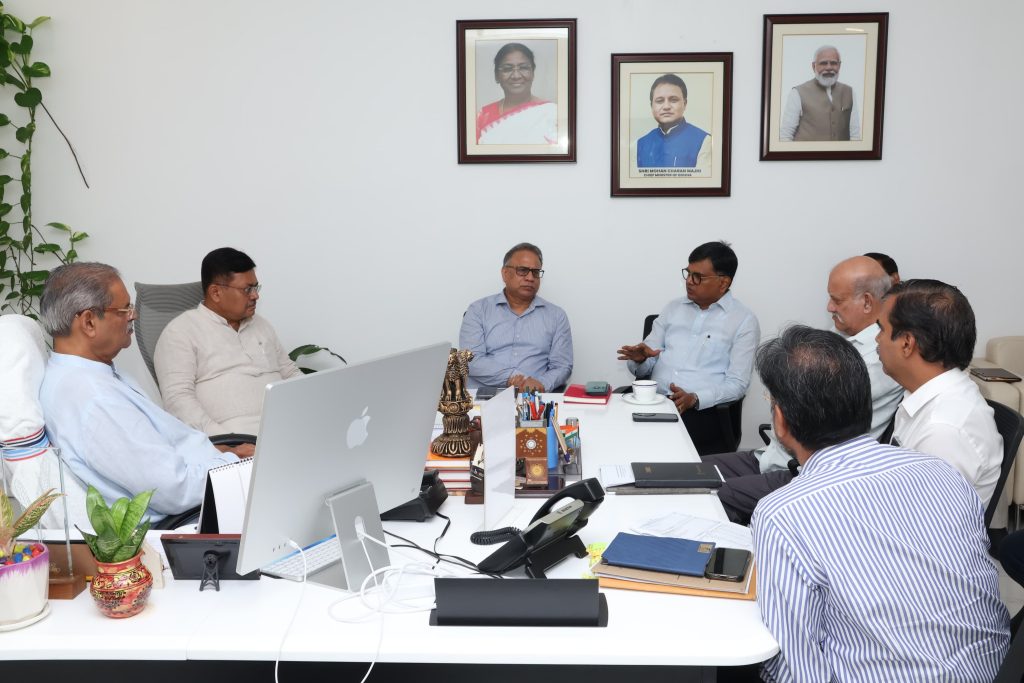
Principal Secretary Works, Shri Sanjay Kumar Singh reaffirmed Department of Work’s commitment, emphasizing that incorporating energy-efficient standards into public infrastructure projects will modernize state assets while creating robust, sustainable public spaces.
The primary focus of the meeting was to initiate the first phase of adopting energy-saving equipment to significantly lower electricity consumption, improve energy management efficiency, and accelerate the state’s progress toward achieving sustainable development goals.
Departmental officials engaged in detailed discussions regarding strategic implementation plans and standard protocols for government infrastructure.
Adopting energy-saving equipment has become necessary to curb rising operational power costs, reduce carbon emissions, and minimize the environmental footprint associated with electricity generation.
Modern appliances optimize energy usage without compromising performance, which helps mitigate strain on the public power grid during peak demand hours.
By transitioning to energy-efficient technology, government institutions aim to lead by example, encouraging broader civic adoption while freeing up resources for public development initiatives.