

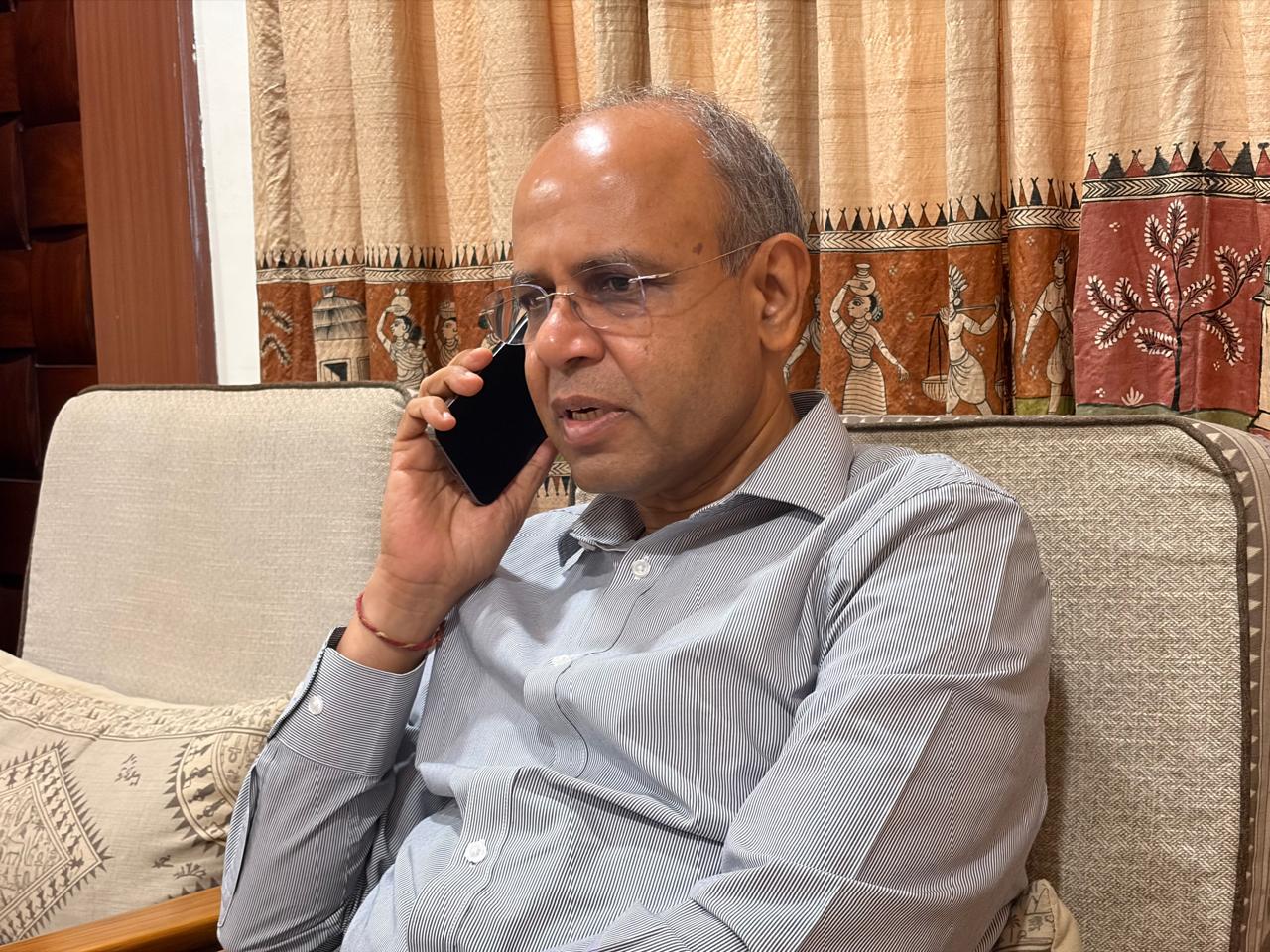
New Delhi: The Department of Drinking Water and Sanitation(DDWS), under the Ministry of Jal Shakti, hosted the ninth edition of the Sujal Gram Samvad. This virtual multilingual dialogue brought together representatives from eight Gram Panchayats to focus on long-term water security driven directly by local communities and Gram Panchayats.
The Samvad was chaired by Shri Ashok Kumar Meena, Secretary DDWS, who emphasised Sujal Gram Samvad as a platform to learn from Gram Panchayat’s experiences and challenges. He said the best practices shared during the interaction can help other Gram Panchayats strengthen their own systems.
Secretary DDWS, Shri Meena underlined that drinking water and sanitation are subjects entrusted to Panchayati Raj Institutions under the 73rd Constitutional Amendment and stressed the need for effective devolution of Funds, Functions and Functionaries (3Fs) to Gram Panchayats for sustainable management of rural water supply systems.
He further emphasized that active community ownership through Village Water & Sanitation Committees (VWSCs), particularly with participation of women, youth and ex-servicemen, is essential for ensuring long-term sustainability of rural drinking water infrastructure.
Shri Y. K. Singh, Director of the National Jal Jeevan Mission, who explained that the primary objective of the Samvad is to directly listen to village communities, learn from their ground-level experiences, and observe local practices related to operation, maintenance, and water source sustenance.
Addressing the participants, Additional Secretary and Mission Director of the National Jal Jeevan Mission, Kamal Kishore Soan, commended the active involvement of District Collectors and Gram Panchayats for their dedicated efforts toward the Jal Jeevan Mission. He highlighted the upcoming guidelines for utilizing the 16th Finance Commission grants and urged local authorities to use these funds effectively.
To ensure long-term functionality, Shri Soan emphasized holding regular District Water and Sanitation Mission meetings to evaluate scheme functionality, address field challenges, and track overall service delivery. He stressed the vital importance of source sustainability, calling on all stakeholders to protect and rejuvenate drinking water sources so future generations continue to receive uninterrupted piped water.
District Collectors and Magistrates were encouraged to participate in Jal Arpan programs following standard protocols to promote genuine community ownership. Furthermore, Shri Soan advised Gram Pradhans to track their village water supply progress using the e-Gram Swaraj Portal and share these updates transparently during Gram Sabha meetings to foster accountability and shared responsibility across rural communities.