

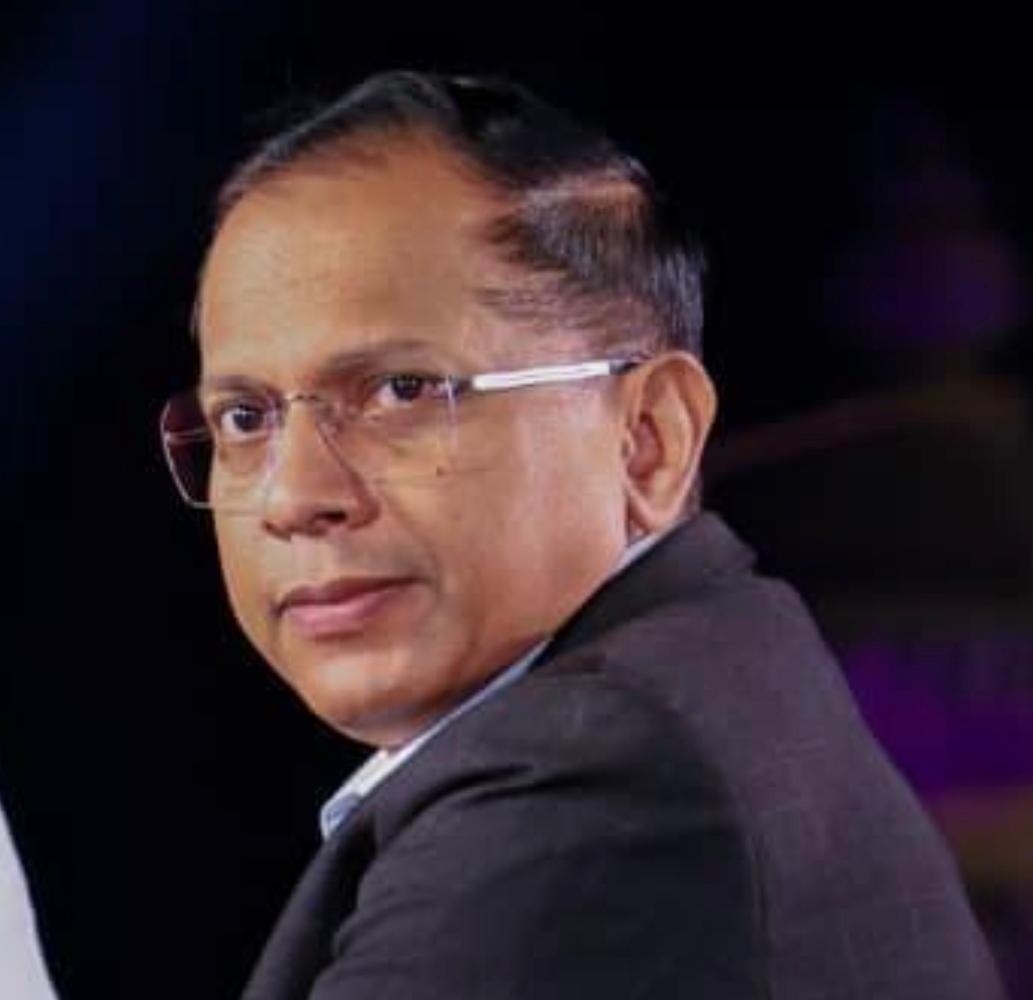
Bhubaneswar: The case of Dr. Bijay Ketan Upadhyaya stands as a sobering example of how state machinery can be weaponized to target an honest civil servant who refuses to bend to irregular administrative and political pressures.
As a 2009-batch IAS officer was serving as the Director of Horticulture, Dr. Upadhyaya found himself at the centre of an orchestrated vigilance trap in late 2019, an ordeal that the Orissa High Court later recognized as “a motivated exercise” by the previous regime.
Dr.Upadhyaya is a simple, honest, hard working and suave personality and is known as a pro-people IAS Officer.
The harassment began when Dr. Upadhyaya reportedly refused to follow illegal oral directions from powerful bureaucrats. In what appeared to be an act of professional vengeance, the State Vigilance Department was utilised to foist a case accusing him of demanding a bribe from a private supplier for clearing bills under a central agricultural scheme.
The narrative pushed by the prosecution was that he had used an intermediary to collect a payment of one lakh rupees. This accusation led to his immediate arrest, a period of incarceration, and a professional suspension that severely tarnished his standing and caused immense personal hardship.
However, the effort to soil his reputation was built on a foundation of suppressed evidence and perfunctory investigation.
A pivotal digital recording from December 24, 2019, captured the true character of the officer. In that recording, the complainant repeatedly offered money to Dr. Upadhyaya, who was heard sternly refusing the bribe twice, explicitly stating that he did not need it.
The investigative authorities deliberately omitted this exculpatory recording from the FIR and failed to show it to the Vigilance Court and the sanctioning authority, effectively misleading the legal process to ensure his prosecution.
Further scrutiny revealed that the entire premise of the bribe was factually impossible. Official records showed that full payments had already been released to the supplier through standard procedures long before the date of the alleged bribe.
The delays the prosecution pointed to as “pressure tactics” were actually the result of routine administrative requirements like scrutiny at various levels, GPS tagging, compliance with financial rules, software issues with NIC, verification at bank level and problems in uploading photographs.
By quashing the proceedings, the Orissa High Court highlighted that the prosecution was not pursuing justice but was using the case as a tool for harassment. The ruling noted that continuing the case would be an abuse of the court’s process, ultimately exonerating Dr. Upadhyaya and exposing the systematic attempt to ruin an innocent officer’s life and career for his commitment to the State.