

New Delhi: Kendrapara district in Odisha took center stage during the national culmination of Jal Mahotsav 2026 as the Ministry of Jal Shakti released the operational guidelines for Jal Jeevan Mission 2.0 on World Water Day.
The Department of Drinking Water and Sanitation (DDWS), Ministry of Jal Shakti, today released the Operational Guidelines of Jal Jeevan Mission (JJM) 2.0 as Jal Mahotsav 2026 culminated alongside the Sujal Gram Samvad on the occasion of World Water Day.
Jal Mahotsav 2026 was observed as a 15‑day nationwide campaign from 8 March, International Women’s Day, to 22 March, World Water Day, marked by widespread community participation and Jal Arpan of drinking water assets to Gram Panchayats across the country.
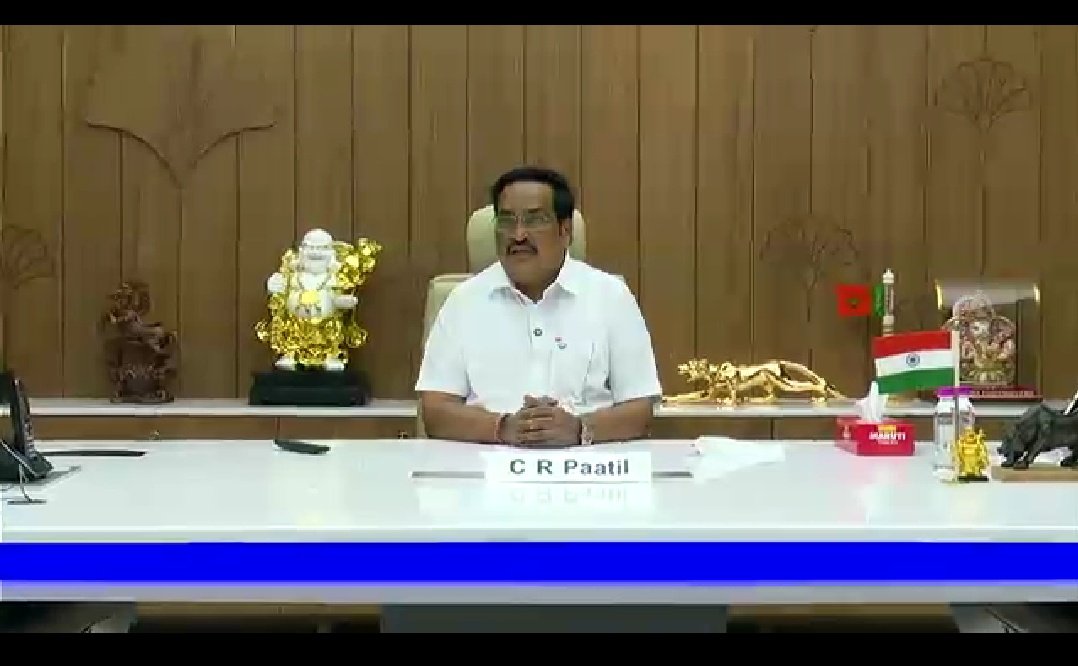
The culmination event was honoured by the presence of the Union Minister for Jal Shakti, Shri C.R. Patil, and the Minister of State for Jal Shakti, Shri V. Somanna, who joined virtually, along with senior officials of the Department. On the occasion, a video on Jal Mahotsav 2026 was released, showcasing key activities and messages delivered by eminent leaders during the campaign.
The e‑release of the JJM 2.0 Operational Guidelines by the Union Minister marked a significant milestone following the Cabinet approval for the extension of Jal Jeevan Mission till December 2028, with a renewed focus on structural reforms and long‑term sustainability of rural drinking water systems.
The event, which marked the end of a 15-day nationwide campaign, highlighted the transition of the mission from infrastructure creation to a service-delivery model aimed at long-term sustainability through December 2028.
During the 5th Sujal Gram Samvad, Bhanagan village in the Chandol Gram Panchayat of Kendrapara served as a key site for grassroots interaction.
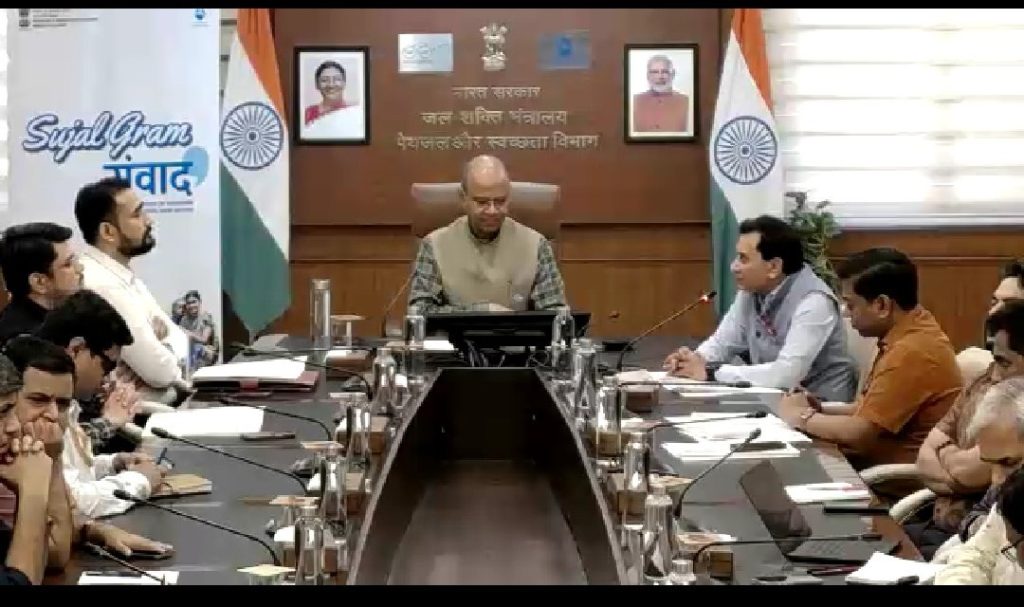
Secretary of the Department of Drinking Water and Sanitation, Shri Ashok Kumar Meena, engaged directly with the local community in Odia to discuss the impact of the mission.
The Sarpanch of Bhanagan reported that the Gram Sabha has successfully instituted a user charge of 50 rupees per household per month to fund the operation and maintenance of water assets, ensuring the system remains functional without constant government intervention.
The interaction underscored the social transformation triggered by reliable water access in rural Odisha. Local schoolgirls shared that the availability of tap water has eliminated the physical burden of fetching water from distant sources, allowing them more time for studies and personal hobbies.
District Magistrate Raghuram R. Iyer emphasized that the district has established rigorous monitoring mechanisms and inter-departmental coordination to maintain water quality and strengthen local institutions.
Jal Jeevan Mission 2.0 introduces reform-linked memoranda of understanding to ensure states remain accountable for water quality and source sustainability. Odisha’s participation in these reforms reflects a broader commitment to the “Jal Sanchay se Jan Bhagidari” vision, moving toward the goal of making every village a Sujal Gram.
As the mission extends its timeline, the focus in Odisha remains on convergence between rainwater harvesting, greywater management, and aquifer recharge to protect the sources that feed the newly established tap connections.