

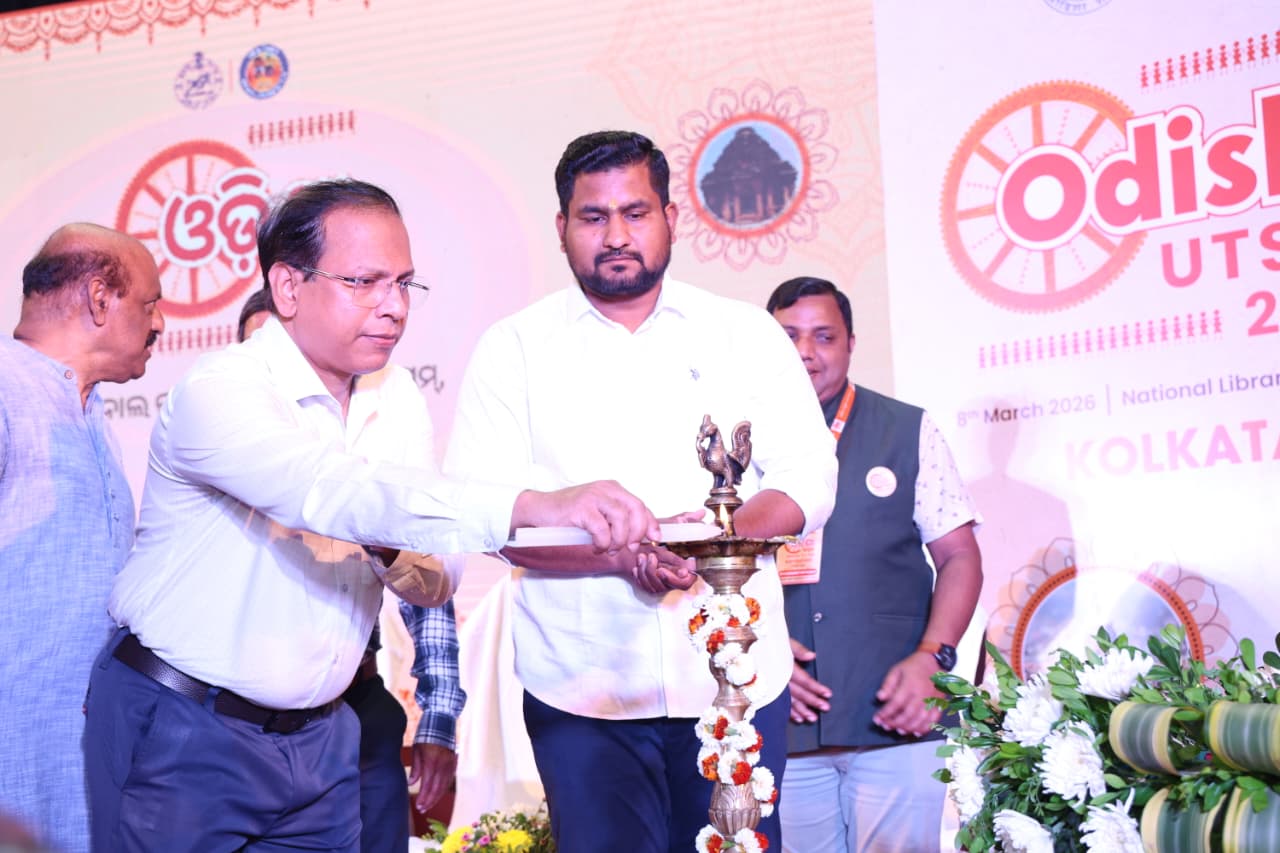
Kolkata: The spirit of Odisha is not confined by the geographical lines drawn on a map; rather, it breathes through the hearts of every Odia, regardless of where they choose to build their homes. This truth was vibrantly displayed during the recent Odisha Utsav held in West Bengal, a landmark event that served as a bridge of heritage, emotion, and shared identity.
For a community of over twenty lakh Odias residing in West Bengal, the festival was not merely a cultural program but a homecoming of the soul. Under the visionary leadership of Chief Minister Shri Mohan Charan Majhi, the Government of Odisha orchestrated an unprecedented effort to reach out to the diaspora, marking the first time such an extensive and emotionally resonant cultural connect was established at this scale.
The initiative, spearheaded by the Minister of Culture, Shri Surjyabanshi Suraj, reflects a modern approach to governance where the preservation of Odia Asmita, or Odia pride, is treated as a priority. The festival was a masterclass in cultural diplomacy, aimed at reminding the Odia community in West Bengal that their roots remain nourished by the soil of their homeland.
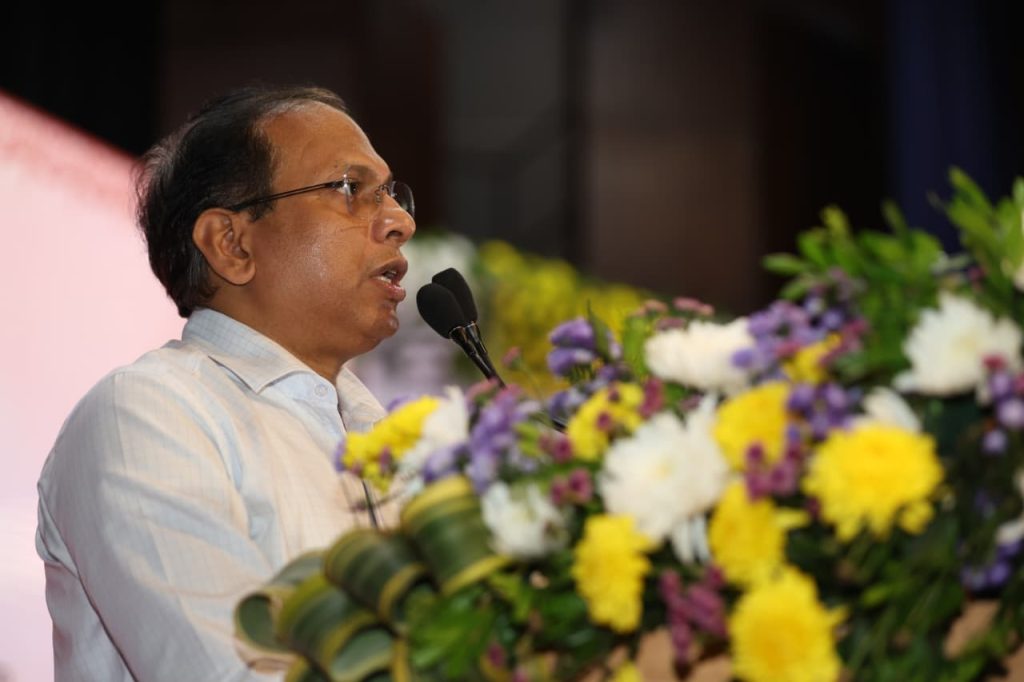
The meticulous planning and efficient execution of the program were the result of the tireless efforts of Dr. Bijay Ketan Upadhyaya, the Secretary of Odisha Language, Literature, and Culture. Known for his deep emotional connection with the people and his unwavering commitment to the promotion of Odia heritage, Dr. Upadhyaya ensured that every element of the Utsav resonated with the authentic essence of the state.
Kolkata, a city that has historically been a melting pot of cultures, became the epicenter of this spectacular celebration. Hundreds of Odias from across West Bengal converged to witness a display of song, dance, and festive joy that echoed the grand traditions of Cuttack and Bhubaneswar. The air was thick with the scent of familiarity as the sounds of the Mardala and the graceful movements of Odissi dancers filled the stage. It was a poignant reminder that while many have settled in the neighboring state for trade, education, or employment, the rhythmic pulse of Odisha remains their primary heartbeat.
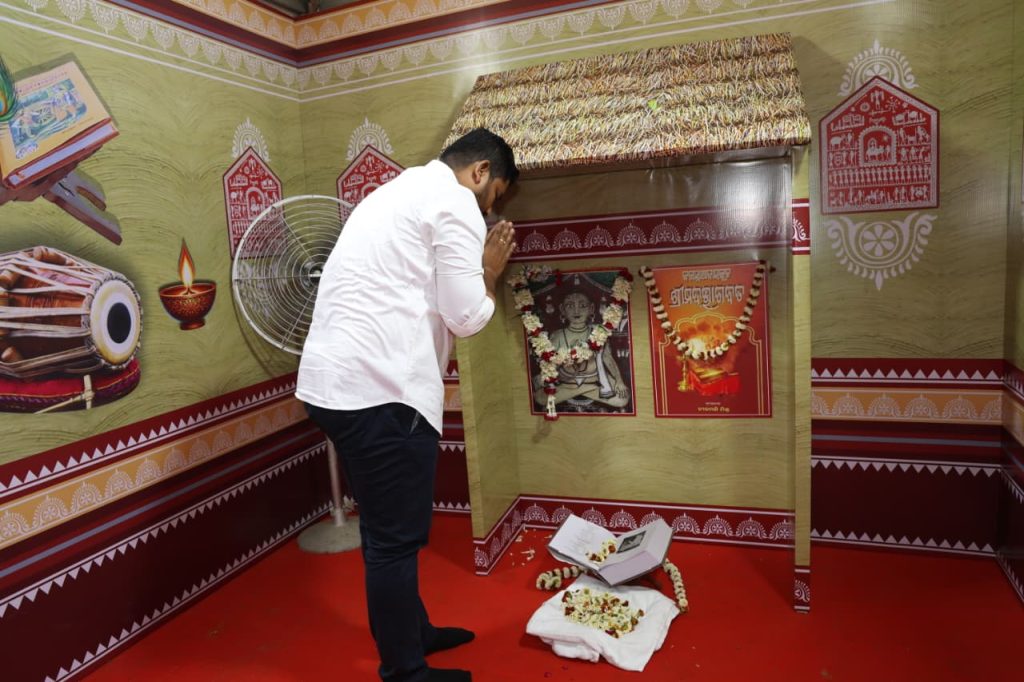
At the core of this gathering was the concept of Odia Asmita. This term encompasses more than just language; it represents a way of life, a specific aesthetic, and a profound spiritual connection to Lord Jagannatha. The Odisha Utsav successfully translated these abstract concepts into a tangible experience. For the younger generation of the diaspora, many of whom have grown up away from the villages and cities of Odisha, the festival provided a vital link to their ancestry. Seeing the vibrant Pattachitra patterns, hearing the soulful strains of Odissi music, and participating in the collective joy of the community allowed them to reclaim a piece of their identity that is often diluted by the fast-paced life of a metropolitan city.
The leadership of Chief Minister Shri Mohan Charan Majhi has signaled a new era where the state actively seeks to include its global and regional diaspora in its growth story. By bringing the flavors and sounds of Odisha to the doorsteps of those living in West Bengal, the government has shown that the welfare of an Odia is the responsibility of the state, no matter where they reside. Minister Shri Surjyabanshi Suraj’s involvement highlighted a youthful and energetic push toward cultural revivalism, ensuring that the heritage of the state is not just preserved in museums but is a living, breathing entity celebrated in public squares and community halls.
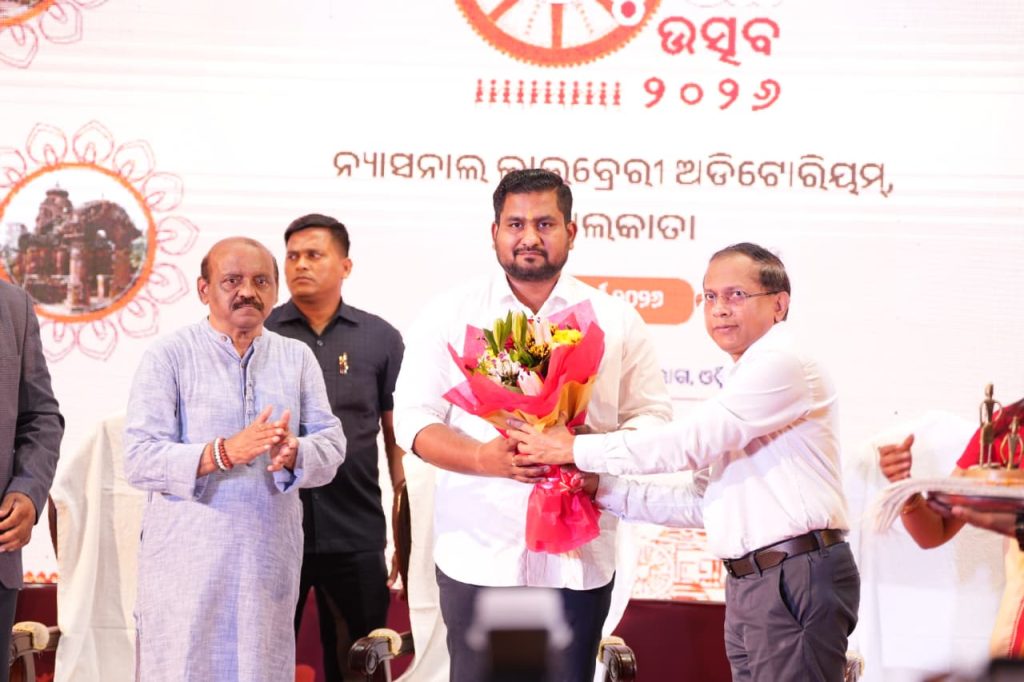
The role of Dr. Bijay Ketan Upadhyaya cannot be overstated in this context. His execution of the event went beyond administrative duty; it was a labor of love. His understanding of the emotional nuances of the Odia people allowed the event to touch a chord that few official programs manage to reach. The Utsav featured a diverse array of performances, from the classical brilliance of Odissi to the energetic folk traditions that represent the various districts of Odisha. This inclusivity ensured that every person in the audience, whether they hailed from the coastal belts or the western uplands, found something that reminded them of home.
Cultural identity is the anchor that keeps individuals grounded in a globalized world. For the Odia diaspora in West Bengal, the proximity to their home state often makes the longing for culture more acute. They live in a land that shares many historical and linguistic ties with Odisha, yet the distinct flavor of their own traditions is something they cherish deeply. The Odisha Utsav provided a platform for this community to celebrate their uniqueness while also acknowledging the harmonious relationship between the two states. It was a celebration of brotherhood, art, and the enduring power of the Odia language.
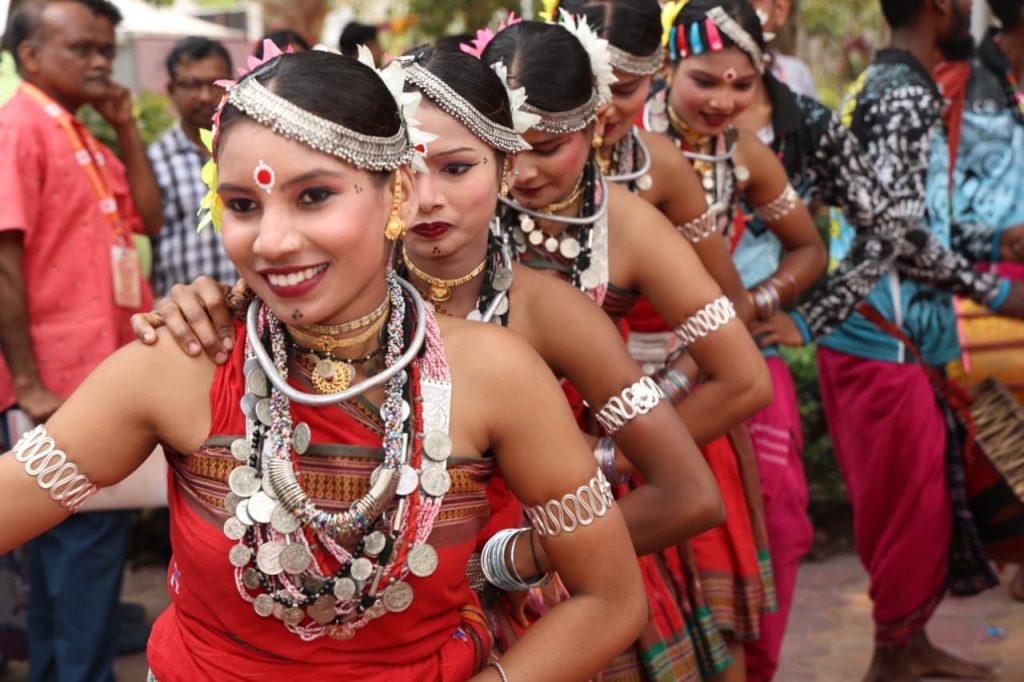
As the ceremony unfolded, the sheer scale of the turnout spoke volumes about the thirst for such cultural engagement. Men, women, and children dressed in traditional handlooms—Sambalpuri, Maniabandha, and Berhampuri silks—created a sea of colors that mirrored the diversity of the state. The laughter and conversations in the Odia tongue created a microcosm of Odisha in the heart of West Bengal. It was a testament to the fact that culture is the strongest thread in the fabric of a community.
Looking forward, the success of the Odisha Utsav sets a powerful precedent. It suggests a future where the state government continues to engage with Odia communities worldwide, fostering a sense of belonging and pride. The focus on Odia Asmita is not about isolation but about the celebration of a rich legacy that has contributed significantly to the Indian cultural landscape. Through the efforts of leaders like Shri Mohan Charan Majhi and dedicated officials like Dr. Upadhyaya, the narrative of Odisha is being rewritten as one of confidence, outreach, and deep-rooted cultural integrity.
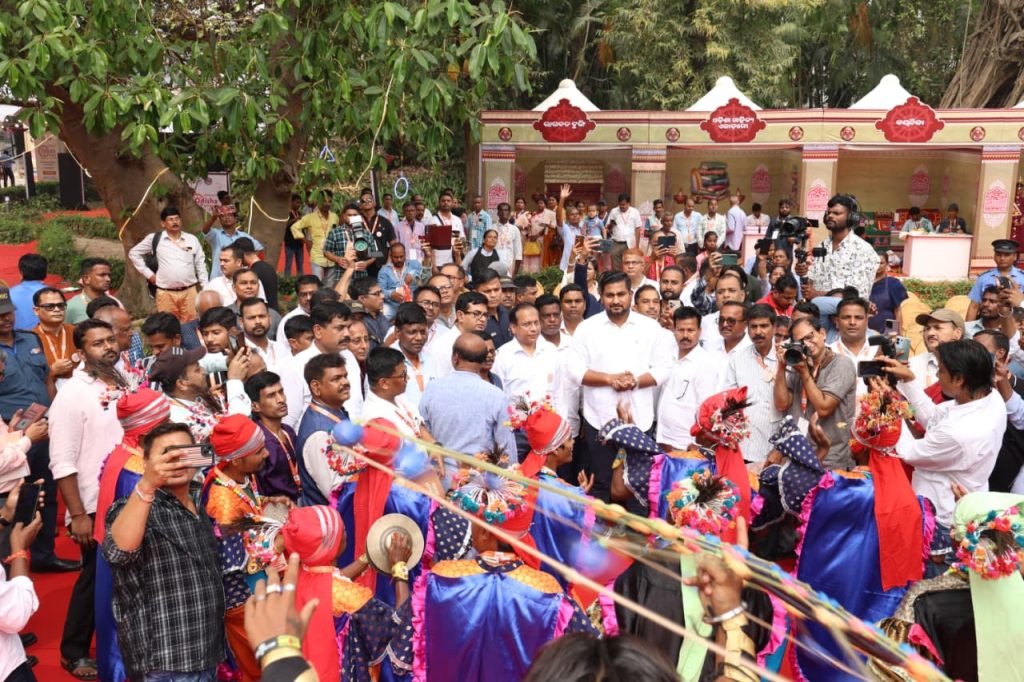
The event concluded with a sense of renewed hope and connection. The participants left with more than just memories of a beautiful evening; they left with a reaffirmed sense of who they are. The songs of the soil had been sung, the dances of the deities had been performed, and the spirit of Odisha had been invoked. In the busy streets of Kolkata and the quiet corners of West Bengal, the echoes of the Odisha Utsav will continue to linger, reminding every Odia that their homeland is never too far away, and its embrace is always open.