

New Delhi: Prime Minister Narendra Modi held a high-level telephone conversation with Israeli Prime Minister Benjamin Netanyahu to address the rapidly deteriorating security situation in West Asia following a series of significant military escalations in the region.
During the discussion, Prime Minister Modi expressed India’s deep concern over the recent spike in hostilities and underscored that the safety and security of civilians must remain an absolute priority for all parties involved. He reiterated India’s consistent diplomatic stance, calling for an immediate cessation of violence and a return to the path of dialogue.
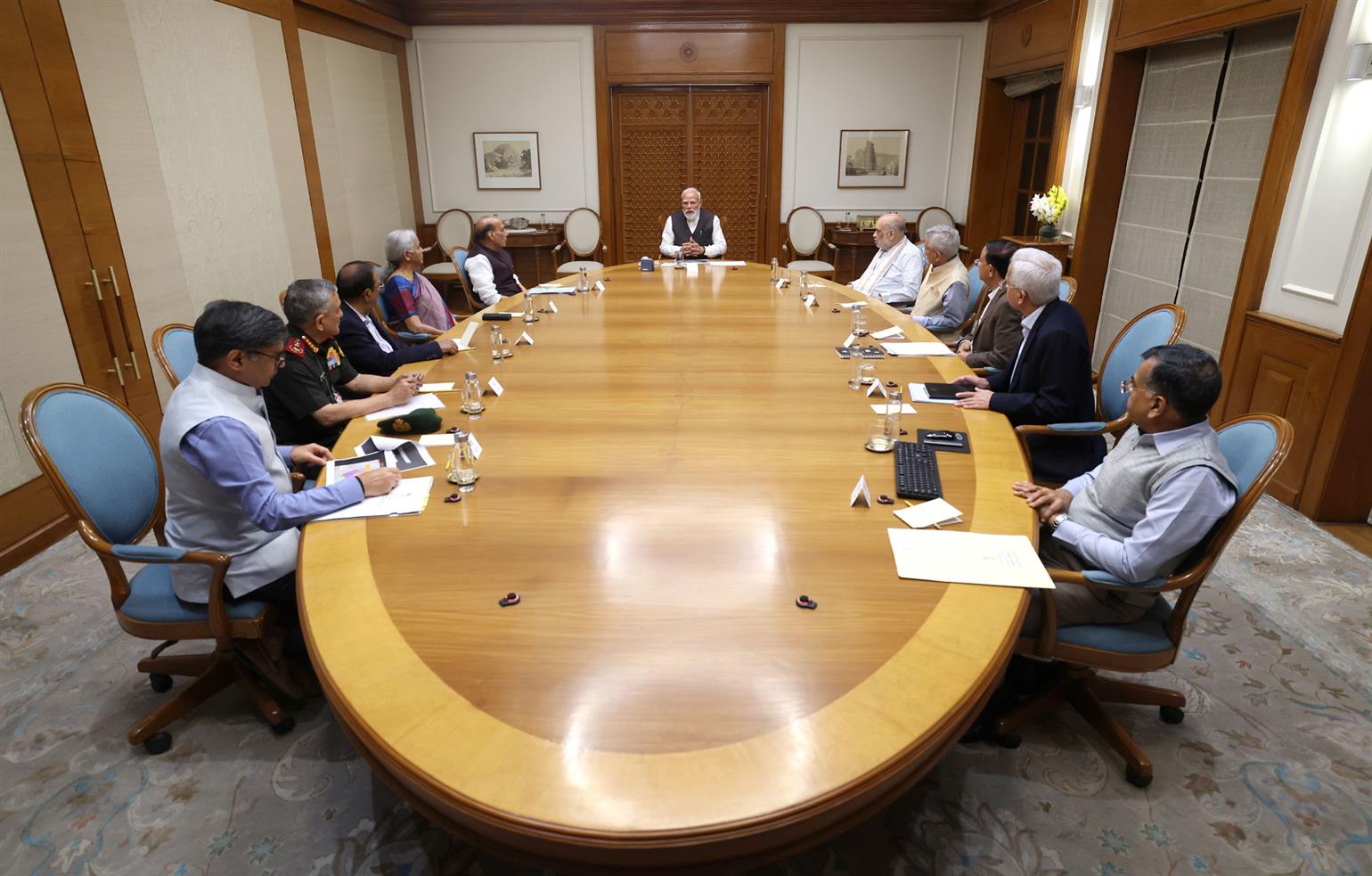
The diplomatic outreach coincided with an emergency meeting of the Cabinet Committee on Security (CCS) chaired by the Prime Minister this evening. The Committee received a comprehensive briefing on the impact of the air strikes conducted in Iran on 28 February and the subsequent retaliatory attacks that have spread across several Gulf countries.
A primary focus of the CCS review was the well-being of the Indian expatriate community, which maintains a massive presence across the region. The Committee noted with serious concern the mounting challenges faced by Indian nationals, including travellers currently transiting through regional hubs and students whose scheduled examinations have been disrupted by the instability.
Beyond immediate safety concerns, the CCS evaluated the broader strategic implications of the conflict, specifically regarding regional security and the potential impact on India’s economic and commercial interests.
Following the deliberations, the Prime Minister directed all relevant government departments to implement necessary measures to assist Indian citizens affected by the crisis. The meeting concluded with a firm emphasis on the necessity of de-escalation, with India urging all stakeholders to prioritize diplomacy to prevent further regional destabilization.