

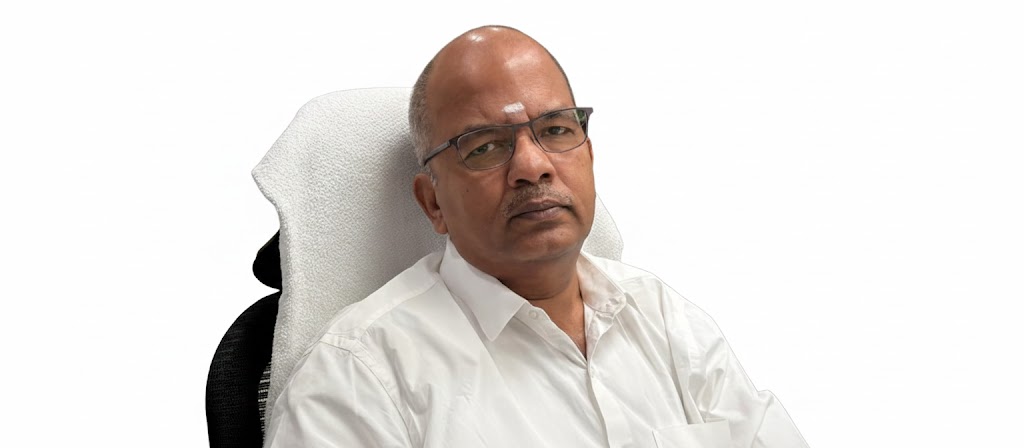
Bhubaneswar: The mapping process for the Special Intensive Revision (SIR) of electoral rolls is going smoothly in Odisha, with at least 85 percent of the mapping already complete. Chief Electoral Officer (CEO) Shri R Santhanagopalan has announced that the Election Commission of India is initiating this comprehensive exercise starting in April 2026.
This process marks a significant shift in election management, as it represents the first major fresh preparation of voter lists in nearly twenty years, moving beyond the standard annual updates used in previous cycles.
The scale of this operation is substantial, with approximately 45,000 Booth Level Officers appointed across Odisha to conduct door-to-door verifications. These officers are part of a larger workforce of nearly 60,000 personnel who will be engaged for at least two months to complete the revision. They are responsible for identifying new voters, updating existing details, and removing the names of those who are no longer eligible. To ensure the integrity of the data, the Commission has implemented a strict policy where any negligence or delay by staff will result in immediate disciplinary action.
A central feature of this revision is the mapping of historical data. The Election Commission is using the year 2002 as a base, when Odisha had 2 crore 50 lakh voters, and comparing it against the 2025 database of 3 crore 41 lakh voters. So far as the financial requirement is concerned, the entire exercise is likely to cost approximately Rs. 100 crore to ensure full coverage and logistical support across the state.
To facilitate this verification, residents should have specific documents ready for the visiting teams. Accepted proof of identity and age includes an Aadhaar card, PAN card, Indian passport, driving license, or a birth certificate issued by a municipal authority. Additionally, educational documents such as a Class 10 mark sheet or certificate are valid for verifying date of birth and parentage.
For address proof, citizens can provide a bank or post office passbook, a recent electricity or water bill, a gas connection bill, or a registered rent agreement. While Aadhaar is an accepted document, the CEO reiterated that it is not mandatory for this specific exercise, and citizens may use any other official alternative from the approved list to establish their eligibility.
The verification process includes a formal legal phase for cases that cannot be immediately reconciled through mapping or door-to-door visits. The CEO stated that once a person is issued a formal notice, they are required to present their supporting documents directly to the designated official to verify their eligibility.
If a person’s name is missing during the mapping process, they will be asked to confirm their current place of residence and status. This notice and hearing phase ensures that every individual has a fair opportunity to secure their place on the roll before the final list is published. The current preparation phase involves extensive logistical planning and specialized training for all field staff as part of a broader national effort to purify voter lists ahead of future elections.