

Bhubaneswar: The Government of Odisha has significantly ramped up its commitment to the safety and dignity of sanitation workers by integrating the National Action for Mechanized Sanitation Ecosystem, known as NAMASTE, with the state’s GARIMA initiative.
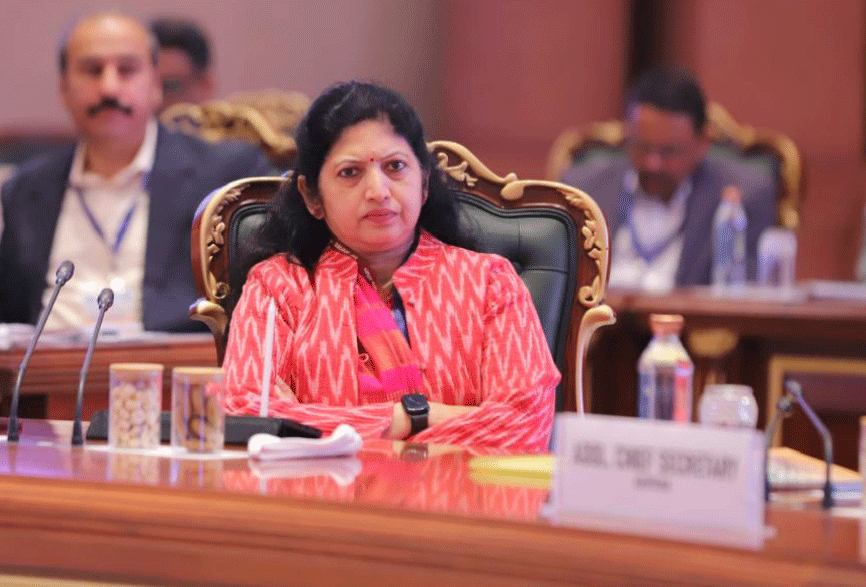
This collaborative effort is being spearheaded by Shrimati Usha Padhee, the Additional Chief Secretary of the Housing and Urban Development Department.
By aligning these two programs, the state aims to formalize the roles of sanitation workers and waste pickers, recognizing them as essential service providers who maintain the core of urban public health.
Shrimati Padhee has been instrumental in overseeing the current enrollment drive across Urban Local Bodies, ensuring that the transition from manual labor to a mechanized ecosystem is inclusive and efficient.
The primary mission under the leadership of Shrimati Padhee is to achieve zero fatalities in sanitation work. This is pursued through the core objectives of NAMASTE, which prioritize the elimination of hazardous cleaning practices in sewers and septic tanks.
The program enforces the mandatory use of safety devices and provides professional skill training to prevent any direct contact with human waste. Furthermore, the initiative focuses on the rehabilitation of workers by forming Self-Help Groups and offering entrepreneurship opportunities. This economic empowerment allows workers to move away from dangerous manual tasks and toward managing mechanized service delivery units.
Key elements of this strategy include the detailed profiling of sewer and septic tank workers to ensure they receive targeted benefits like health insurance coverage under Ayushman Bharat–PMJAY and occupational safety training.
Shrimati Padhee has emphasized that providing Personal Protective Equipment kits and upfront capital subsidies for sanitation vehicles is essential for maintaining the dignity of labor.
The scope of these efforts also extends to waste pickers involved in solid waste management. Through structured enumeration and financial support for collection vehicles, the state ensures that every individual in the sanitation value chain has access to a safe, sustainable, and dignified livelihood.