

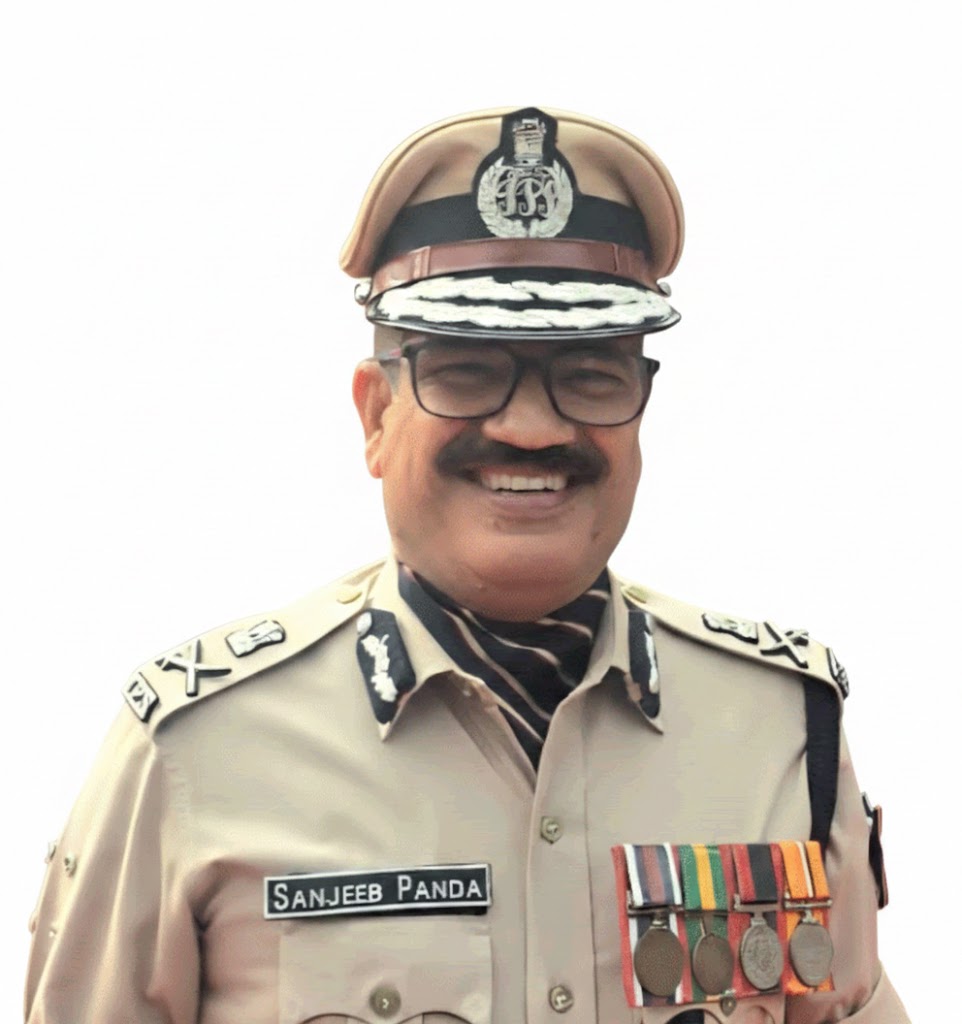
Bhubaneswar: Odisha is advancing with singular determination to eliminate the Maoist presence within its borders, marking a historic milestone in its internal security operations. The state’s anti-Maoist offensive is being led by Sanjeeb Panda, Additional Director General of Anti-Naxal Operations, supported by a dedicated leadership team including IG Operations Dr. Deepak Kumar and DIG State Intelligence Wing Shri Akhilesvar Singh. This unified command is working toward the final deadline of March 31, 2026, set by Union Home Minister Shri Amit Shah to completely eradicate Left-Wing Extremism from India.
In a recent and decisive blow to the insurgent infrastructure, 19 hardcore Maoists surrendered to the Odisha Police, signaling a near-total collapse of the rebel leadership in the region. Among those who renounced violence were 17 cadres who surrendered in a coordinated move across Rayagada and Kandhamal districts. This group included the high-profile Maoist couple Niranjan Rout, alias Nikhil, and his wife Rashmita Lenka, alias Indu. Both served as State Committee Members—the second-highest tier in the insurgent hierarchy—and carried a combined bounty of 1.1 crore on their heads.
The surrender ceremony in Rayagada, overseen by ADG Sanjeeb Panda, saw 15 rebels from the Bansadhara-Ghumusar-Nagabali division lay down an arsenal of 14 sophisticated weapons, including AK-47s, SLRs, and INSAS rifles. Simultaneously, four other active cadres surrendered in Kandhamal district. These developments have led officials to declare several former hotspots, including Boudh and Koraput, as entirely Naxal-free, with Kandhamal now remaining the final focal point for security forces.
The success of the Team Anti-Maoist Operations is attributed to a dual-track strategy of relentless tactical pressure and an attractive rehabilitation policy. By reclaiming the “cut-off” areas and establishing permanent security camps, the administration has successfully choked the rebels’ operational space. This tactical superiority, combined with the government’s focus on rural development and tribal welfare, has persuaded even the most senior cadres that the armed struggle has lost its relevance.
The state’s enhanced rehabilitation policy offers a comprehensive package designed to facilitate a smooth transition into mainstream society, providing an immediate financial grant for sustenance and a significant compensation amount for surrendered weapons. To ensure long-term stability, the government provides homestead land and financial assistance for house construction, alongside vocational training tailored to the individuals’ skills to promote self-employment.
The policy also prioritizes the holistic well-being of the family, offering educational support for the children of surrendered cadres and coverage under state health insurance schemes. By addressing both economic needs and social integration, this framework serves as a powerful incentive for remaining insurgents to abandon the path of violence and contribute to the state’s growth.
As the state enters the final phase of its mission, the focus remains on neutralizing the few remaining remnants along the interstate borders. The recent mass surrenders have provided the intelligence wing with critical data to dismantle the remaining urban and jungle support cells. With the momentum firmly in favor of the state, Odisha is on a clear path to meeting its March 2026 goal, ensuring a future of peace and uninterrupted development for its citizens.