

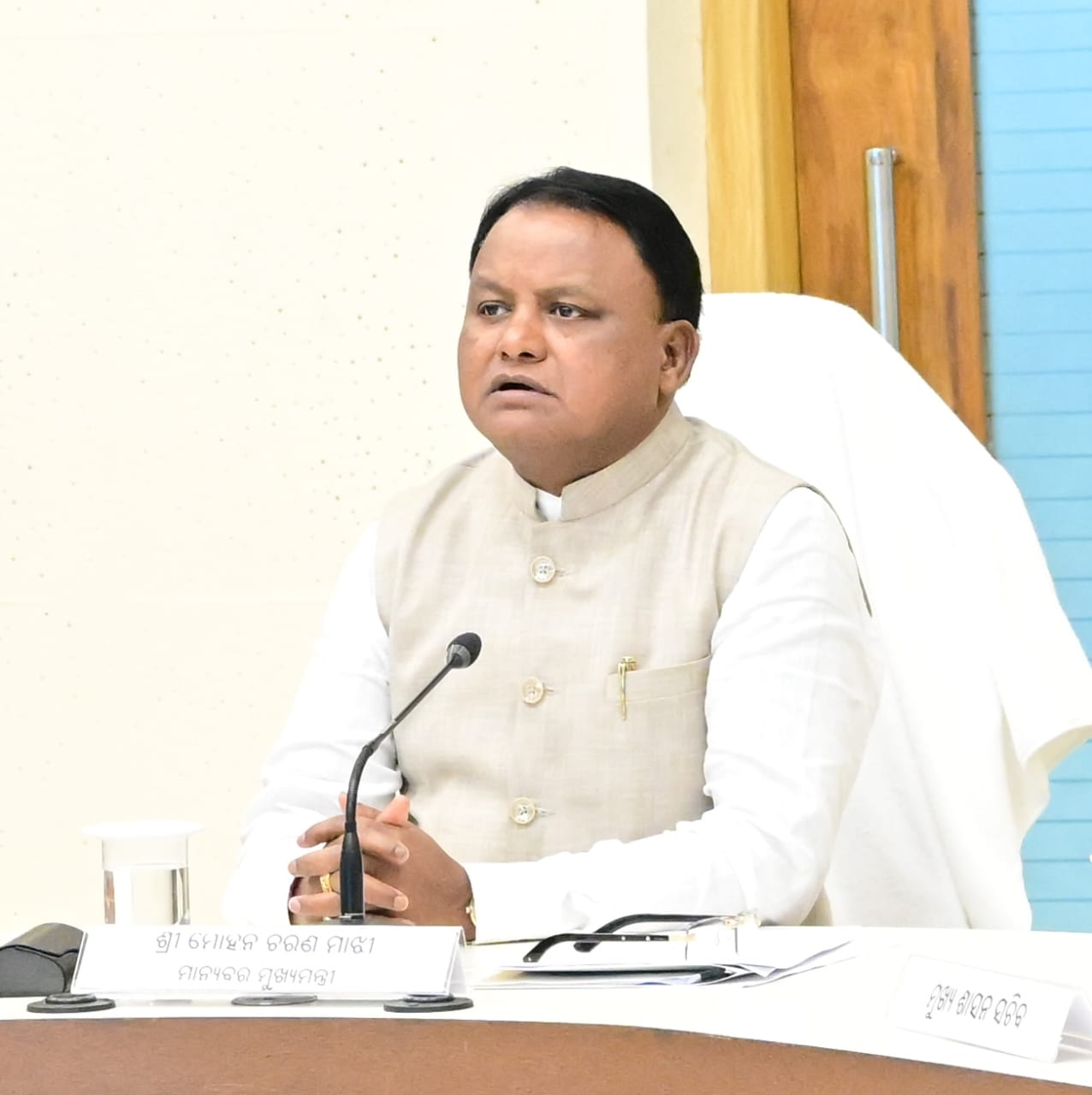
Bhubaneswar: The Odisha Government has significantly expanded the scope of the Odisha Civil Services Examination 2025 by mandating the inclusion of 151 additional vacancies across key administrative cadres, a decision catalyzed by the direct intervention of Chief Minister Shri Mohan Charan Majhi to address systemic gaps in the initial recruitment notification. This administrative correction ensures that the recruitment cycle remains responsive to the aspirations of the state’s youth while reinforcing the institutional capacity of the civil services. By integrating these positions into the current examination process, the state has moved to rectify the exclusion of critical services such as the Odisha Administrative Service and the Odisha Revenue Service, thereby aligning the recruitment framework with the immediate operational requirements of the state’s governance machinery.
The revised requisition submitted to the Odisha Public Service Commission reflects a strategic distribution of personnel aimed at strengthening grassroots and sectoral administration. The breakdown of the newly added 151 posts includes 14 vacancies in the Odisha Administrative Service (OAS), 113 in the Odisha Revenue Service (ORS), 16 in the Odisha Transport Service (OTS), and 8 in the Odisha Welfare Service (OWS). This adjustment is not merely a quantitative increase but a socio-legal necessity to ensure that the state’s premier competitive examination provides a comprehensive gateway to all functional branches of the bureaucracy. The move is expected to enhance the competitive landscape for aspirants by providing a more diverse range of career trajectories within the public sector.
This directive forms part of a broader systemic synthesis aimed at optimizing public employment as a driver of state development. Chief Minister Majhi emphasized that the government has prioritized the employment sector as a core pillar of its policy agenda, noting that approximately 40,000 government positions have been filled over the preceding 18 months. This evidence-based approach to governance suggests a shift toward more proactive workforce planning, ensuring that the delay between vacancy emergence and recruitment is minimized through continuous administrative oversight.
Furthermore, a standing instruction has been issued to all government departments to expedite the identification and recommendation of vacant posts to the respective recruitment commissions. Departments are now required to finalize these recommendations prior to the publication of formal examination notifications to prevent future discrepancies and ensure maximum opportunity for qualified candidates. Under the grace of Lord Jagannatha, these reforms seek to establish a more transparent and meritocratic ecosystem for the next generation of administrators, ensuring that the state’s executive wings are adequately staffed to implement public welfare initiatives effectively.