

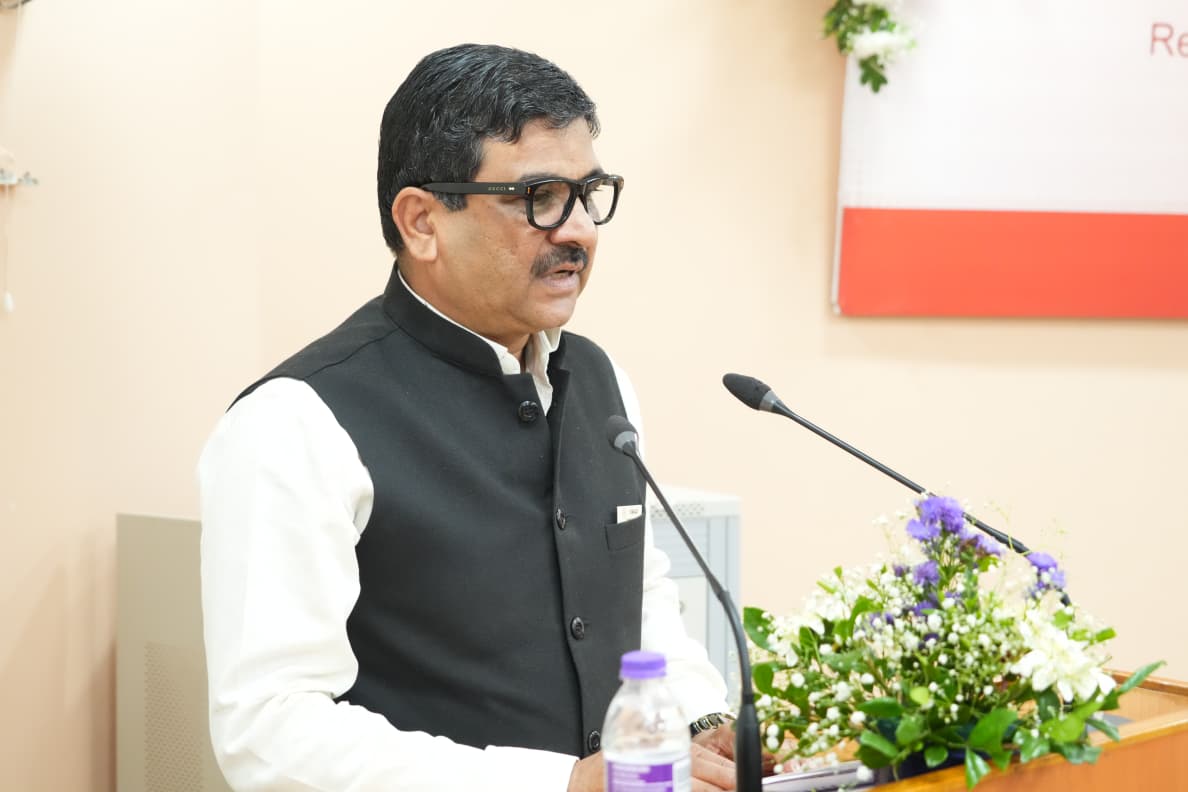
Bhubaneswar: Migration in Odisha is undergoing a significant conceptual shift, moving beyond its traditional identity as a mere labor-market phenomenon to become a vital driver of social development, wellbeing, and regional growth.
This evolution was the central theme of a one-day seminar titled Regional Differences in Migration Pattern, Adaptation Behaviour and Wellbeing in Odisha, hosted by the Nabakrushna Choudhury Centre for Development Studies (NCDS) in Bhubaneswar. The event gathered a distinguished panel of government officials, scholars, and researchers to bridge the gap between academic findings and actionable policy strategies.
Held under the guidance of Shrimati Anu Garg, Development Commissioner and Chairperson of NCDS, the seminar featured keynote contributions from Shri Indramani Tripathy, the Labour Commissioner of Odisha, and renowned experts such as Professor S. Irudaya Rajan and Professor Udaya Shankar Mishra.
The discussions focused on how migration, when managed through inclusive policies, can transform from a sign of distress into an opportunity for economic and social empowerment.
From a policy perspective, Labour Commissioner Shri Indramani Tripathy outlined Odisha’s proactive measures to ensure the safety and welfare of its migrant workforce. These initiatives include a dedicated toll-free helpline, the establishment of help desks in destination states, the portability of welfare schemes, and the creation of a comprehensive migrant database. Such tools are designed to facilitate grievance redressal and ensure that social protection reaches those who need it most, regardless of their location.
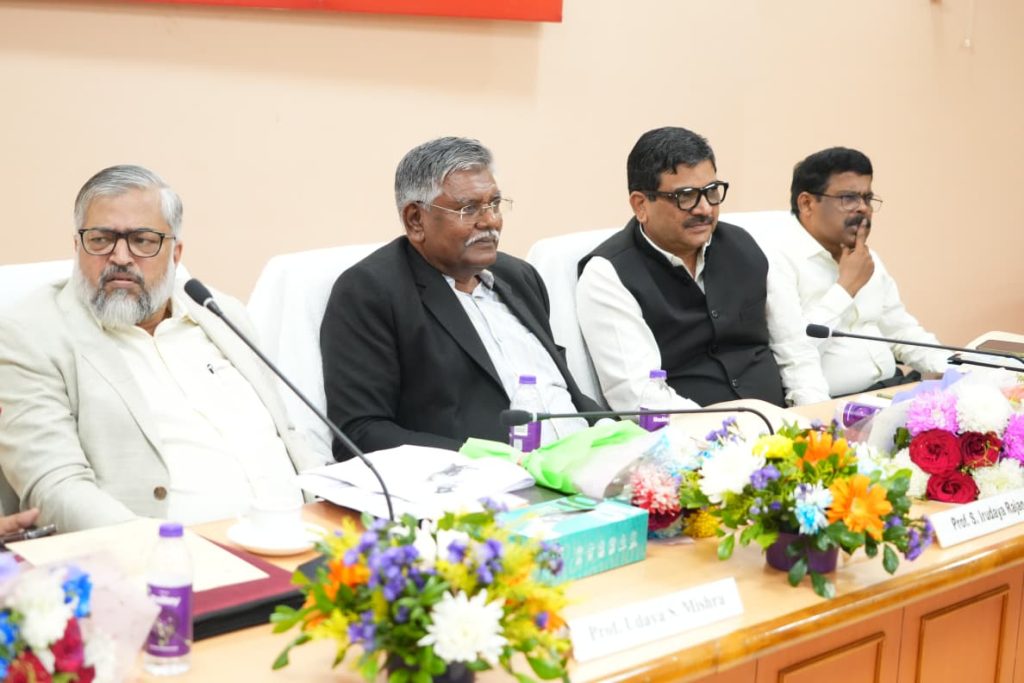
Shri Prakash Chandra Mohanty, Director of NCDS, opened the proceedings by highlighting the transformative power of evidence-driven research. He noted that a recent study involving over 650 households reveals that migration is not a problem to be solved but a pathway to improve lives and enhance social security. However, he also pointed out the silent challenges faced by vulnerable groups, particularly the elderly and children left behind in source villages, emphasizing that future policies must be human-centered and specific to the unique needs of different regions.
A cornerstone of the seminar was the presentation by Dr. Sandhya Rani Mahapatro, Project Director and Associate Professor at NCDS. Her research reframes migration as a multidimensional issue, exploring social, emotional, and health dimensions alongside economic factors. Dr. Mahapatro explained that while migrants and their families show remarkable resilience and adaptation, they remain vulnerable without institutional support. Her findings advocate for targeted interventions in housing, health, and livelihoods to ensure that migration benefits both the destination and the source communities.
Academic experts reinforced the need for robust data, citing Kerala’s migration surveys as a benchmark for evidence-based decision-making. The discussions also delved into complex issues such as climate-induced mobility and distress migration among indigenous communities. As the seminar concluded, the consensus remained that Odisha has a unique opportunity to lead the nation by turning migration into a vehicle for inclusive growth. The upcoming report to be submitted to the ICSSR and the Odisha government is expected to provide the necessary roadmap for this transition, ensuring that development is truly people-focused.